
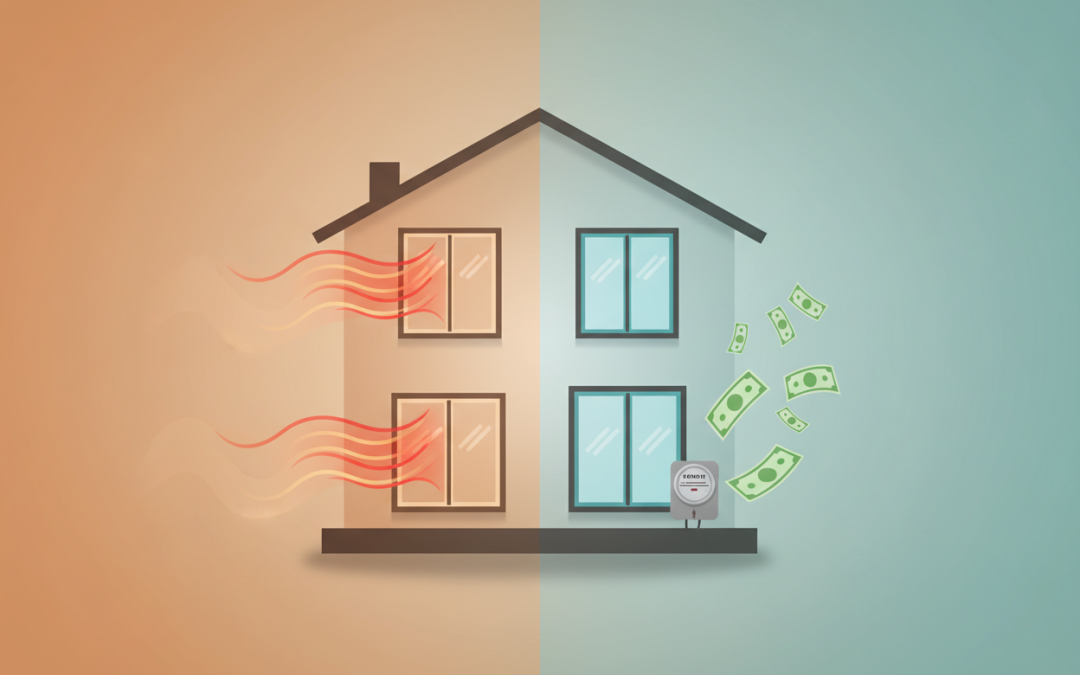
Energy Efficiency 101: How New Windows Can Slash Your Utility Bills
If you’ve been dreading your monthly utility bills, you’re not alone. Rising energy costs have homeowners everywhere searching for ways to reduce their expenses without sacrificing comfort. While many people focus on upgrading appliances or improving insulation, one of the most impactful changes you can make often gets overlooked: replacing your windows.
Your windows are essentially the eyes of your home, but they might also be the reason your energy bills are through the roof. Old, inefficient windows can account for up to 30% of your home’s heating and cooling costs. That’s like throwing money out the window – literally. The good news? Modern energy-efficient windows can dramatically reduce these costs while improving your home’s comfort and value.
In this comprehensive guide, we’ll explore how new windows can transform your home’s energy efficiency and put money back in your pocket. From understanding the science behind energy loss to calculating potential savings, you’ll discover everything you need to know about making this smart investment in your home.

Understanding Window Energy Loss: Where Your Money Goes
Before diving into solutions, it’s crucial to understand how your current windows might be costing you money. Energy loss through windows happens in several ways, and recognizing these issues can help you appreciate the value of an upgrade.
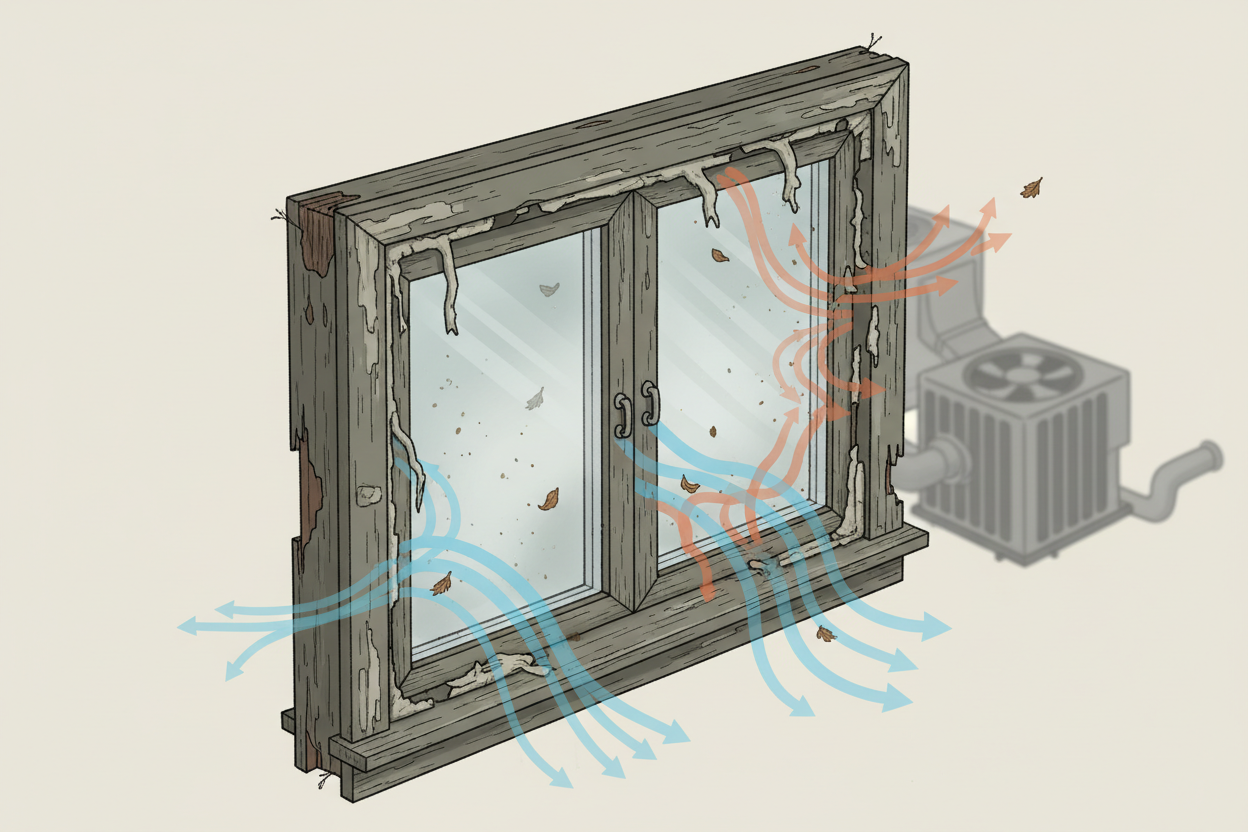
Heat transfer occurs through three main mechanisms: conduction, convection, and radiation. Single-pane windows, common in older homes, offer minimal resistance to these processes. During winter, warm air inside your home transfers heat to the cold glass, which then releases it outside. In summer, the reverse happens – hot outdoor temperatures penetrate through the glass, forcing your air conditioning to work overtime.
Air leakage represents another significant source of energy loss. Over time, window frames can warp, seals can deteriorate, and gaps can develop around the window perimeter. These seemingly small openings allow conditioned air to escape and outdoor air to infiltrate your home, creating drafts and forcing your HVAC system to compensate.
Poor window placement and lack of proper shading can also contribute to energy inefficiency. South-facing windows without adequate protection can create greenhouse effects, while north-facing windows in cold climates may lose substantial heat during winter months.
The Science Behind Energy-Efficient Windows
Modern energy-efficient windows incorporate advanced technologies that address the shortcomings of traditional windows. Understanding these innovations helps explain why new windows can be so effective at reducing energy costs.
Multiple glazing layers form the foundation of energy-efficient window design. Double-pane and triple-pane windows create insulating air spaces between glass layers, significantly reducing heat transfer. These spaces are often filled with inert gases like argon or krypton, which have lower thermal conductivity than regular air.
Low-emissivity (Low-E) coatings represent another breakthrough technology. These microscopically thin metallic coatings are applied to glass surfaces to reflect infrared light while allowing visible light to pass through. This means your windows can block heat while maintaining natural lighting – the best of both worlds.
Advanced frame materials also contribute to overall window efficiency. While traditional aluminum frames conduct heat readily, modern vinyl, fiberglass, and wood-clad frames provide superior insulation properties. Some manufacturers even incorporate thermal breaks – insulating barriers within the frame structure – to further reduce heat transfer.
Proper installation plays an equally important role in window performance. Even the most efficient window will underperform if not installed correctly. Professional installation ensures proper sealing, alignment, and weatherstripping to maximize energy savings.
Calculating Your Potential Savings
The financial impact of new windows varies depending on several factors, but most homeowners see substantial reductions in their utility bills. Understanding how to estimate your potential savings can help justify the investment and set realistic expectations.
Climate zone significantly influences potential savings. Homeowners in extreme climates – whether very hot or very cold – typically see the greatest benefits from window upgrades. The Department of Energy estimates that replacing single-pane windows with Energy Star certified windows can save between $126 to $465 annually for a typical home, depending on location.
Your current windows’ condition affects the magnitude of potential savings. If you’re dealing with single-pane windows, broken seals, or visible damage, you’ll likely see more dramatic improvements than someone replacing relatively newer double-pane windows. Homes with original windows from several decades ago often experience the most significant transformations.
Window orientation and size also impact savings calculations. Large south-facing windows in cooling-dominated climates can generate substantial savings when upgraded to high-performance models with appropriate solar heat gain coefficients. Similarly, north-facing windows in heating-dominated areas benefit greatly from improved insulation properties.
To estimate your specific savings, consider conducting an energy audit or consulting with window professionals who can assess your current situation and project realistic outcomes based on your home’s characteristics and local climate conditions.
Types of Energy-Efficient Windows
Not all energy-efficient windows are created equal, and choosing the right type for your specific needs and climate can maximize your savings and comfort.
Double-pane windows represent the most common upgrade path for homeowners. These windows feature two glass layers separated by an insulating air space, typically filled with argon gas. While more expensive than single-pane alternatives, double-pane windows offer excellent value and performance for most climates.
Triple-pane windows provide the ultimate in energy efficiency, featuring three glass layers and two insulating spaces. While they carry a higher upfront cost, triple-pane windows excel in extreme climates and can provide superior noise reduction alongside energy savings. They’re particularly beneficial in northern regions with harsh winters.
Gas-filled windows use inert gases like argon or krypton between glass panes to enhance insulation properties. Argon is more common and cost-effective, while krypton offers superior performance but at a higher price point. These gases are denser than air, reducing convection currents and heat transfer.
Low-E coating options vary in their specific properties and applications. Some coatings prioritize solar heat rejection for cooling-dominated climates, while others focus on heat retention for heating-dominated areas. Your window professional can recommend the appropriate Low-E coating based on your local climate and home orientation.
Beyond Energy Savings: Additional Benefits
While reduced utility bills represent the primary motivation for most window upgrades, energy-efficient windows provide numerous additional benefits that enhance their overall value proposition.
Improved comfort ranks among the most immediately noticeable benefits. New windows eliminate drafts, reduce hot and cold spots near windows, and maintain more consistent indoor temperatures. This enhanced comfort often allows homeowners to adjust their thermostat settings, contributing to additional energy savings.
Noise reduction capabilities make energy-efficient windows particularly valuable for homes near busy roads, airports, or other noise sources. Multiple glass panes and improved sealing significantly reduce sound transmission, creating a quieter, more peaceful indoor environment.
UV protection helps preserve your furniture, flooring, and artwork from sun damage. Low-E coatings block harmful ultraviolet rays while maintaining natural light levels, extending the life of your interior furnishings and reducing fading.
Increased home value represents a long-term financial benefit. Energy-efficient windows are attractive to potential buyers and can improve your home’s resale value. Many real estate professionals report that homes with updated windows sell faster and command higher prices than comparable properties with older windows.
Reduced maintenance requirements make modern windows more convenient than older alternatives. Contemporary materials and construction techniques result in windows that resist warping, rotting, and other common issues that plague older windows.
Making the Investment: Costs and Financing
Understanding the financial aspects of window replacement helps homeowners make informed decisions and plan for this significant home improvement project.
Window replacement costs vary widely based on window type, size, materials, and installation complexity. Basic double-pane vinyl windows might cost $300-600 per window installed, while premium triple-pane models with advanced features can exceed $1,000 per window. Most homeowners spend between $8,000-15,000 for whole-house window replacement.
Return on investment calculations should consider both energy savings and other benefits. While payback periods through energy savings alone might span 10-20 years, factoring in improved comfort, reduced maintenance, and increased home value often justifies the investment much sooner.
Financing options can make window replacement more accessible. Many window companies offer financing programs, and some utility companies provide rebates or incentives for energy-efficient upgrades. Federal tax credits may also be available for qualifying Energy Star certified windows.
Timing your window replacement strategically can impact costs and availability. Fall and winter often offer better pricing and contractor availability, while spring and summer represent peak demand periods with potentially higher prices and longer wait times.
Choosing the Right Windows for Your Climate
Selecting appropriate windows for your specific climate zone ensures optimal performance and maximum energy savings.
Cold climate considerations prioritize heat retention and solar gain management. Triple-pane windows with low-conductivity gas fills excel in these conditions, while Low-E coatings should allow beneficial solar heat gain during winter months. Frame materials should provide excellent insulation properties to minimize thermal bridging.
Hot climate requirements focus on solar heat rejection and cooling load reduction. Double-pane windows with appropriate Low-E coatings can effectively block unwanted solar heat while maintaining natural light. Proper window orientation and shading strategies complement window selection for optimal results.
Mixed climate zones benefit from balanced window specifications that address both heating and cooling needs. Variable solar heat gain coefficients and moderate insulation values provide year-round efficiency without over-optimizing for either season.
Energy Star certification provides reliable guidance for climate-appropriate window selection. The program establishes performance criteria specific to different climate zones, ensuring windows meet regional efficiency requirements.
Frequently Asked Questions
How much can I really save on my utility bills with new windows?
Savings vary based on your current windows, home size, climate, and energy costs, but most homeowners save 10-25% on their heating and cooling bills. In extreme climates with very old windows, savings can exceed 30%. The Department of Energy estimates annual savings of $126-465 for typical homes replacing single-pane windows with Energy Star models.
Are triple-pane windows worth the extra cost?
Triple-pane windows provide the best energy performance but cost 20-50% more than double-pane alternatives. They’re most cost-effective in extreme climates, homes with high energy usage, or situations where maximum comfort and noise reduction are priorities. In moderate climates, high-quality double-pane windows often provide better value.
How long do energy-efficient windows typically last?
Quality energy-efficient windows typically last 15-25 years with proper maintenance. Premium materials and construction can extend lifespan to 30+ years. Most manufacturers offer warranties of 10-20 years, with some lifetime warranties on certain components.
Can I install energy-efficient windows myself?
While possible for experienced DIYers, professional installation is strongly recommended. Proper installation is crucial for achieving rated energy performance, and mistakes can void warranties or create air leakage problems. Professional installation also ensures compliance with building codes and optimal performance.
Do energy-efficient windows work in all seasons?
Yes, properly selected energy-efficient windows provide year-round benefits. In winter, they retain heat and reduce drafts. In summer, they block unwanted solar heat while maintaining natural light. The key is choosing windows with appropriate specifications for your climate zone.
Will new windows really increase my home’s value?
Energy-efficient windows typically recoup 65-80% of their cost in increased home value, according to Remodeling Magazine’s Cost vs. Value report. Beyond monetary value, they make homes more attractive to buyers and can help properties sell faster in competitive markets.


How much does it cost for vinyl replacement windows Lindsay Texas



Home replacement window cost Highland Park Texas








How much does it cost for vinyl replacement windows Bells Texas


















Home window replacement cost Lowry Crossing Texas


How much does it cost for vinyl replacement windows Garland Texas






How much does it cost for vinyl replacement windows Lavon Texas





How much does it cost for vinyl replacement windows Bailey Texas


















North Richland Hills TX Home Siding Replacement

Valley View TX Estimate For Siding Replacement