
The Complete Guide to Vinyl Siding Texture Options: Transform Your Home’s Exterior
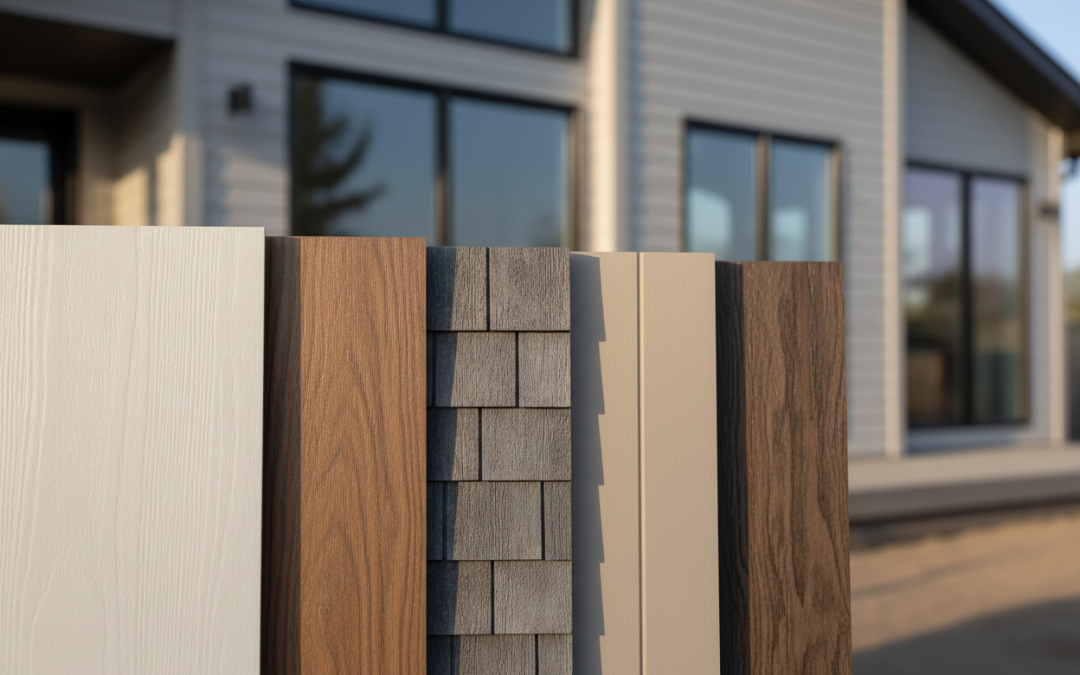
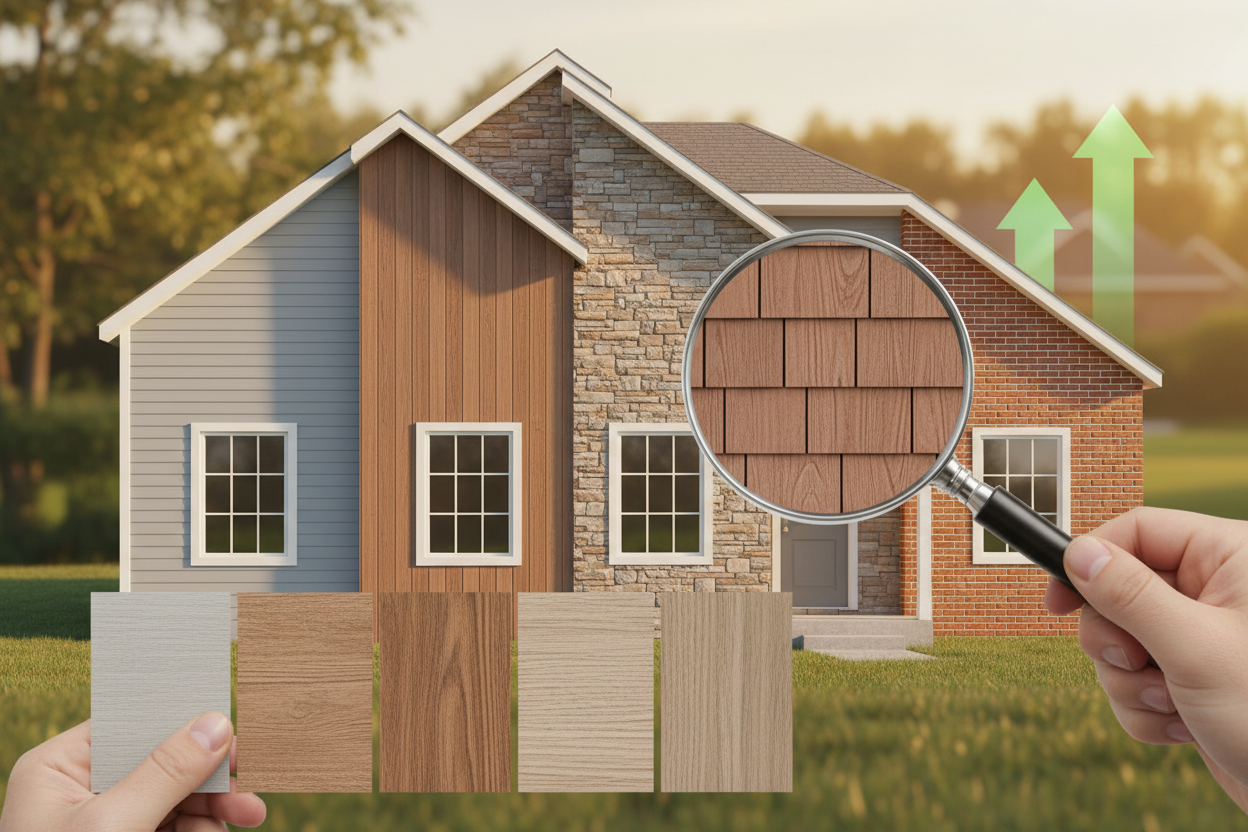
Choosing the right vinyl siding texture can dramatically transform your home’s curb appeal and overall aesthetic. With today’s advanced manufacturing techniques, vinyl siding has evolved far beyond the basic smooth panels of decades past. Modern homeowners now have access to an impressive array of textures that can mimic natural materials like wood, stone, and even shake shingles.
Whether you’re building a new home or considering a siding replacement, understanding your texture options is crucial for making an informed decision. The right texture not only enhances your home’s visual appeal but can also affect maintenance requirements, durability, and even your property value. Let’s explore the fascinating world of vinyl siding textures and discover which option might be perfect for your home.
Understanding Vinyl Siding Texture Basics
Vinyl siding texture refers to the surface pattern and finish applied to the siding panels during manufacturing. These textures are created through various molding and embossing processes that give the vinyl surface depth, character, and visual interest. The texture you choose will significantly impact how light plays across your home’s exterior and how realistic the siding appears.
Modern vinyl siding manufacturers use sophisticated techniques to create textures that are remarkably close to their natural counterparts. High-definition embossing, multi-layer color systems, and advanced polymer formulations work together to produce siding that’s both beautiful and functional. The key is understanding how different textures perform in various climates and architectural styles.
Smooth Vinyl Siding: Clean and Contemporary
Smooth vinyl siding remains a popular choice for homeowners who prefer a clean, contemporary look. This classic texture offers a sleek appearance that works particularly well with modern and minimalist architectural styles. The smooth surface reflects light evenly, creating a uniform appearance that can make your home appear larger and more polished.
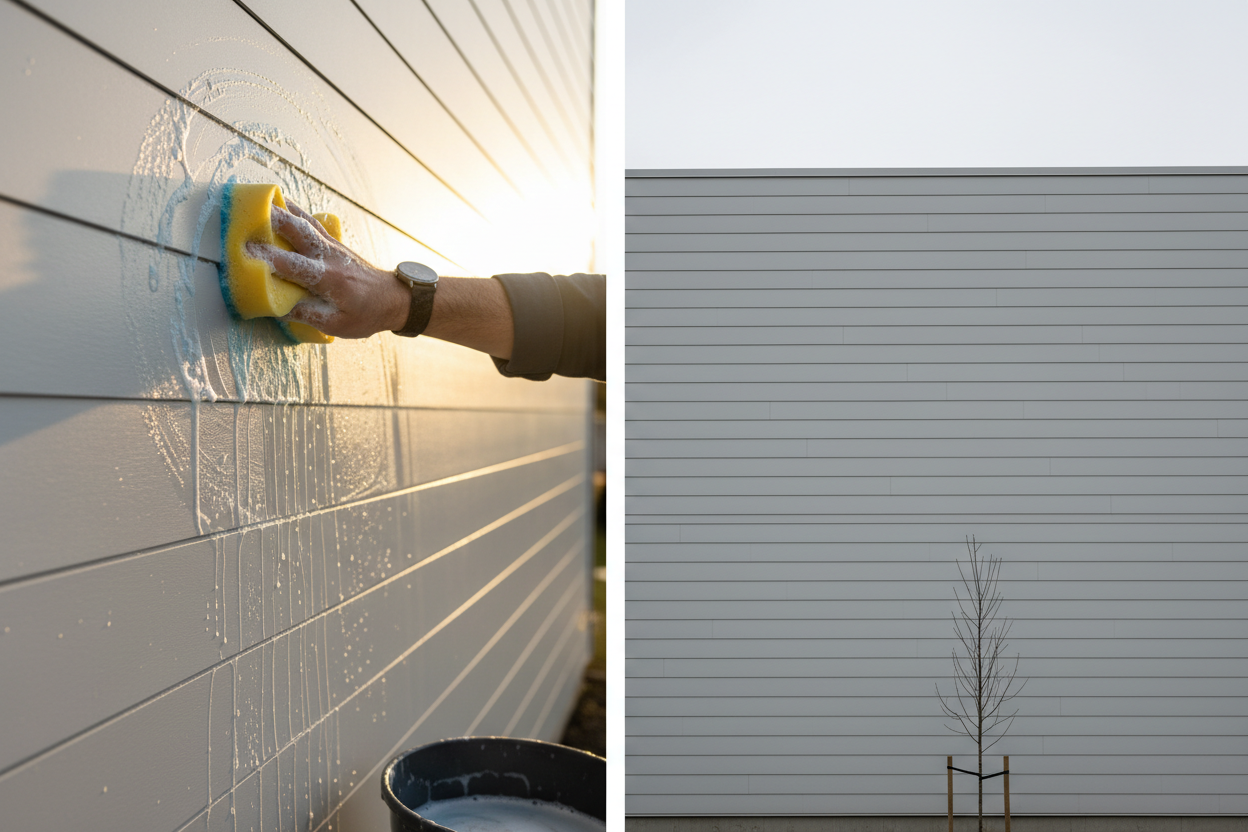
One of the main advantages of smooth vinyl siding is its ease of maintenance. The lack of deep grooves or raised patterns means dirt and debris have fewer places to accumulate, making cleaning straightforward with just soap and water. However, smooth siding can sometimes appear flat or monotonous, especially on larger wall surfaces where the lack of texture becomes more noticeable.
Smooth vinyl siding works exceptionally well when paired with contrasting trim colors or when used in combination with other materials like stone or brick accents. It’s also an excellent choice for coastal homes where salt air and harsh weather conditions require easy-to-clean surfaces.
Wood Grain Textures: Natural Beauty Without the Maintenance
Wood grain vinyl siding represents one of the most significant advances in siding technology. These textures capture the authentic look of natural wood species, complete with realistic grain patterns, knots, and surface variations. Popular wood grain options include cedar, oak, pine, and barn wood textures, each offering its own unique character and appeal.
The manufacturing process for wood grain vinyl involves creating detailed molds from actual wood samples, ensuring that the final product captures even the subtlest details of natural wood grain. Some premium manufacturers use multiple layers of color and texture to create depth and authenticity that’s virtually indistinguishable from real wood at a distance.
Wood grain vinyl siding is perfect for traditional, rustic, and craftsman-style homes where natural materials are desired but the maintenance requirements of real wood are not practical. This texture option provides the warmth and character of wood while offering the durability and low maintenance benefits of vinyl.
Beaded and Dutch Lap Profiles
Beaded vinyl siding features a distinctive rounded ridge or “bead” that runs along the bottom edge of each panel. This classic profile creates subtle shadow lines that add depth and visual interest to your home’s exterior. The beaded profile is reminiscent of traditional clapboard siding and works beautifully with colonial, Cape Cod, and other historical architectural styles.
Dutch lap siding, also known as German lap siding, features a decorative groove or channel cut along the top edge of each panel. This creates a more pronounced shadow line than beaded siding and offers a sophisticated, upscale appearance. Dutch lap profiles are particularly effective at breaking up large wall surfaces and creating visual rhythm across your home’s facade.
Both beaded and Dutch lap profiles can be combined with various surface textures, allowing you to achieve the exact look you’re seeking. These profiles work especially well with wood grain textures, as they enhance the authentic appearance of traditional wood siding installation methods.
Shake and Shingle Textures
Shake and shingle vinyl siding textures offer homeowners the opportunity to achieve the rustic, natural appearance of cedar shakes or wooden shingles without the associated maintenance challenges. These textures feature irregular, hand-split appearances with deep grooves and varying surface patterns that mimic the authentic look of traditional shake siding.
Premium shake-textured vinyl siding often incorporates multiple color tones within each panel, creating the natural color variation found in real cedar shakes. The texture depth is typically more pronounced than other vinyl siding options, creating dramatic shadow effects that enhance the three-dimensional appearance of your home’s exterior.
This texture option is ideal for mountain homes, cabins, and rustic architectural styles where a natural, weathered appearance is desired. Shake-textured vinyl siding also works well as an accent material, perhaps on gables or upper story sections, combined with smoother textures on the main body of the house.
Stone and Masonry-Inspired Textures
Some vinyl siding manufacturers have developed textures that mimic natural stone, brick, and other masonry materials. While these options are less common than wood-inspired textures, they can provide unique aesthetic opportunities for homeowners seeking something different from traditional siding appearances.
Stone-textured vinyl siding typically features irregular surface patterns with varying depths and color variations to simulate natural stone formations. These products work particularly well as accent materials or for foundation-level applications where the appearance of stone is desired but the weight and cost of real stone are prohibitive.
When considering masonry-inspired vinyl textures, it’s important to view samples in various lighting conditions, as the effectiveness of these textures can vary significantly depending on the angle and intensity of natural light hitting the surface.
Choosing the Right Texture for Your Home
Selecting the perfect vinyl siding texture requires careful consideration of several factors, including your home’s architectural style, local climate conditions, maintenance preferences, and personal aesthetic goals. Traditional home styles often benefit from classic textures like wood grain or beaded profiles, while contemporary homes might look best with smooth or subtly textured options.
Consider the scale of your home when choosing texture depth. Larger homes can typically handle more pronounced textures, while smaller homes might be overwhelmed by deep, dramatic patterns. The orientation of your home and the amount of natural light it receives will also affect how textures appear throughout the day.
Climate considerations are equally important. In areas with frequent storms or high winds, smoother textures might be easier to clean and maintain. In regions with intense sun exposure, deeper textures can provide beneficial shadowing that helps protect the siding material from UV damage.
Maintenance and Durability Considerations
Different vinyl siding textures have varying maintenance requirements and durability characteristics. Smooth textures are generally the easiest to clean and maintain, requiring only periodic washing with soap and water. More complex textures with deep grooves or raised patterns may require more attention to prevent dirt and debris accumulation.
The durability of textured vinyl siding has improved dramatically in recent years. High-quality products feature fade-resistant colors, impact-resistant formulations, and UV protection that helps maintain both color and texture integrity over time. However, deeper textures may be more susceptible to damage from impacts or extreme weather conditions.
When evaluating different texture options, consider the warranty coverage provided by the manufacturer. Premium textured vinyl siding often comes with longer warranty periods and more comprehensive coverage, reflecting the manufacturer’s confidence in the product’s long-term performance.
Frequently Asked Questions
Q: Does textured vinyl siding cost more than smooth siding?
A: Generally, yes. Textured vinyl siding typically costs 10-30% more than smooth siding due to the additional manufacturing processes required to create the texture. However, the exact price difference varies by manufacturer and specific texture type.
Q: How long does textured vinyl siding last?
A: High-quality textured vinyl siding can last 20-40 years or more with proper maintenance. The texture itself is integral to the material and won’t wear off over time like paint or surface coatings might.
Q: Can I paint textured vinyl siding?
A: While it’s possible to paint vinyl siding, it’s generally not recommended as it can void warranties and may not adhere properly to textured surfaces. If you want a different color, it’s better to choose siding in your desired color from the start.
Q: Which texture is best for hiding imperfections in my home’s exterior?
A: Wood grain and other pronounced textures are excellent at hiding minor wall imperfections, nail holes, and surface irregularities. The shadow patterns created by these textures help camouflage small flaws that might be visible with smooth siding.
Q: How do I clean textured vinyl siding?
A: Most textured vinyl siding can be cleaned with a soft brush, mild detergent, and water. For deeper textures, you may need to use a brush to reach into grooves and crevices. Pressure washing is generally safe but should be done carefully to avoid forcing water behind the siding.
Q: Will textured vinyl siding fade over time?
A: High-quality textured vinyl siding is manufactured with fade-resistant technology that helps maintain color integrity for decades. However, all materials will show some fading over time, especially in areas with intense sun exposure. Choosing lighter colors and premium products can help minimize fading.
Making Your Final Decision
Choosing the right vinyl siding texture is an investment in your home’s appearance, value, and long-term satisfaction. Take time to view samples in different lighting conditions, consider your home’s architectural style, and think about your long-term maintenance preferences. Many manufacturers offer visualization tools or apps that can help you see how different textures will look on your specific home.
Remember that vinyl siding is a long-term investment, so it’s worth investing in quality products from reputable manufacturers. The texture you choose today will define your home’s appearance for decades to come, making it essential to select an option that you’ll continue to love as trends and preferences evolve.
Whether you opt for the clean lines of smooth siding, the natural beauty of wood grain textures, or the rustic charm of shake patterns, the right vinyl siding texture can transform your home’s exterior and enhance its curb appeal for years to come.










Home window replacement near me Waxahachie Texas


















How much does it cost for vinyl replacement windows North Richland Hills Texas







How much does it cost for vinyl replacement windows Prosper Texas

Affordable home window replacement Duncanville Texas





Window replacement near me Lakewood Dallas Texas















Lake Highlands Dallas TX Siding Replacement Near Me