
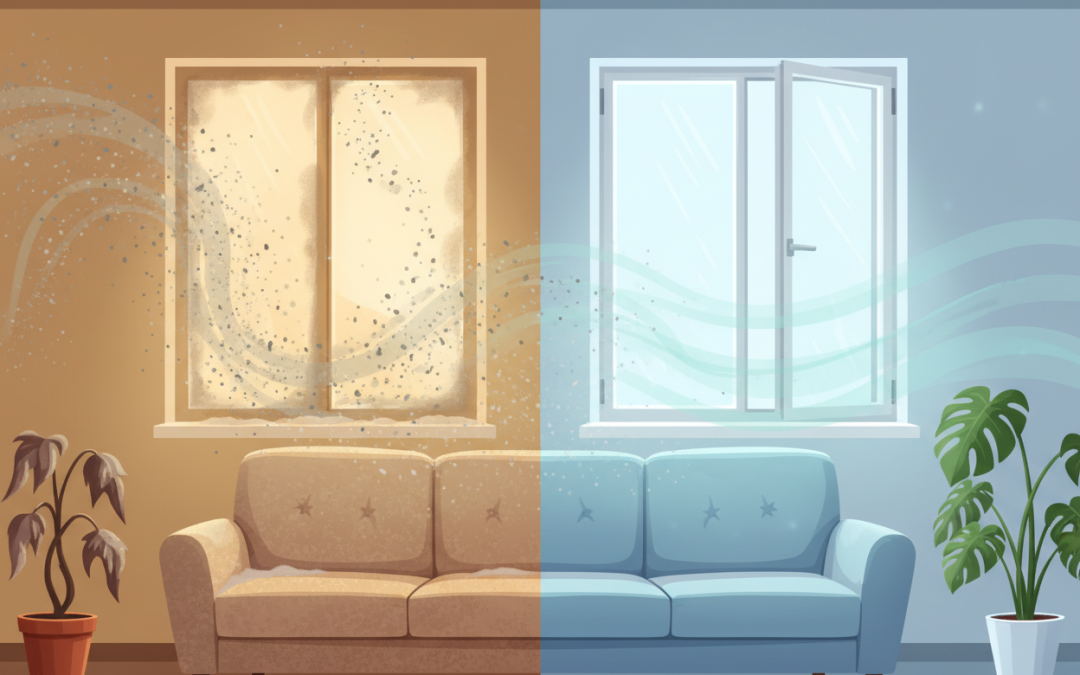
The Impact of Window Replacement on Indoor Air Quality: A Complete Guide
When most homeowners think about window replacement, they typically focus on energy savings, curb appeal, or reducing outside noise. However, there’s another crucial benefit that often gets overlooked: the significant impact new windows can have on your home’s indoor air quality. As someone who has helped countless families improve their living environments, I’ve witnessed firsthand how the right windows can transform not just the look of a home, but the very air you breathe inside it.
Poor indoor air quality affects millions of households worldwide, contributing to respiratory issues, allergies, and overall discomfort. What many people don’t realize is that their old, inefficient windows might be part of the problem. In this comprehensive guide, we’ll explore how window replacement can dramatically improve your indoor air quality and create a healthier living environment for you and your family.

Understanding the Connection Between Windows and Indoor Air Quality
The relationship between windows and indoor air quality is more complex than you might think. Your windows serve as the primary interface between your home’s interior and the outside world, controlling not just light and views, but also air circulation, moisture levels, and the infiltration of outdoor pollutants.
Old windows often develop gaps, cracks, and seal failures over time. These seemingly minor issues can allow unfiltered outdoor air to seep into your home, bringing with it dust, pollen, vehicle emissions, and other airborne contaminants. Additionally, poor window sealing can create drafts that disrupt your HVAC system’s ability to maintain consistent air quality throughout your living space.

Modern window technology addresses these issues through advanced sealing systems, improved materials, and innovative design features that work together to create a more controlled indoor environment. When you invest in quality window replacement, you’re essentially upgrading your home’s respiratory system.
How Old Windows Compromise Your Home’s Air Quality
Before diving into solutions, it’s important to understand exactly how aging windows can negatively impact your indoor air quality. Over the years, I’ve inspected thousands of homes, and the patterns are remarkably consistent.
Deteriorating window seals are perhaps the most common culprit. As windows age, the weatherstripping around frames becomes brittle and compressed, creating gaps that allow unfiltered air infiltration. This means that dust, pollen, and other allergens can enter your home without passing through your HVAC system’s filtration.
Condensation issues represent another significant problem with older windows. When warm, humid indoor air meets cold window surfaces, moisture accumulates, creating perfect conditions for mold and mildew growth. These microorganisms release spores into your indoor air, potentially triggering respiratory problems and allergic reactions.
Single-pane windows, still found in many older homes, offer virtually no barrier against temperature fluctuations. This forces your heating and cooling systems to work harder, often leading to poor air circulation and inconsistent humidity levels throughout your home.
The Science Behind Modern Window Technology and Air Quality
Today’s replacement windows incorporate sophisticated technologies specifically designed to enhance indoor air quality. Understanding these innovations can help you make informed decisions about your window replacement project.
Multi-pane glass systems with low-E coatings create superior insulation barriers that maintain consistent indoor temperatures. This stability reduces the likelihood of condensation formation and helps your HVAC system maintain optimal humidity levels for better air quality.
Advanced weatherstripping and sealing technologies in modern windows create airtight barriers when properly installed. These systems prevent uncontrolled air infiltration while still allowing for proper ventilation when windows are opened intentionally.
Some premium window options now include integrated ventilation systems that filter incoming air while maintaining energy efficiency. These systems can remove up to 95% of airborne particles before they enter your living space, significantly improving your home’s overall air quality.
Moisture Control and Mold Prevention Through Window Replacement
Moisture management is crucial for maintaining healthy indoor air quality, and your windows play a central role in this process. Excessive humidity can lead to mold growth, dust mite proliferation, and other air quality issues that affect your family’s health.
New windows with proper insulation properties help maintain consistent interior surface temperatures, reducing the likelihood of condensation formation. When window surfaces remain closer to room temperature, moisture in the air is less likely to condense and create problems.
Modern window frames made from materials like vinyl or fiberglass are naturally resistant to moisture absorption, unlike older wooden frames that can warp, rot, and harbor mold growth. This material upgrade alone can significantly improve your home’s air quality over time.
Properly installed replacement windows also include improved drainage systems that channel any moisture away from the window assembly and your home’s interior. This prevents water infiltration that could lead to hidden mold growth within wall cavities.
Energy Efficiency and Its Role in Better Air Quality
The connection between energy efficiency and indoor air quality might not be immediately obvious, but they’re closely related. Energy-efficient windows help create more stable indoor environments that support better air quality in several ways.
When your windows provide better insulation, your HVAC system doesn’t have to work as hard to maintain comfortable temperatures. This allows the system to focus more effectively on air filtration and circulation, rather than constantly battling temperature fluctuations caused by inefficient windows.
Reduced air leakage through efficient windows means your HVAC system has better control over indoor air pressure. Proper pressure balance prevents the unwanted infiltration of outdoor pollutants and helps maintain the effectiveness of your home’s air filtration systems.
Energy-efficient windows also reduce hot and cold spots throughout your home, eliminating the stagnant air pockets where dust and allergens tend to accumulate. Better temperature consistency promotes improved air circulation throughout your living space.
Choosing the Right Windows for Optimal Air Quality Benefits
Not all replacement windows offer the same air quality benefits, so it’s important to understand what features to prioritize when making your selection. Based on my experience working with homeowners across various climates and situations, certain characteristics consistently deliver better results.
Look for windows with multiple panes and inert gas fills, such as argon or krypton. These features provide superior insulation that helps maintain stable indoor conditions conducive to better air quality.
Pay attention to the window frame material. Vinyl and fiberglass frames typically offer better moisture resistance and thermal performance compared to traditional materials, contributing to improved air quality over time.
Consider windows with integrated ventilation options if available in your area. These systems can provide controlled fresh air intake while filtering out pollutants, giving you the best of both worlds for air quality management.
Don’t overlook the importance of proper sizing and professional installation. Even the highest-quality windows won’t deliver air quality benefits if they’re not properly fitted and sealed during installation.
The Installation Factor: Why Professional Installation Matters
I cannot stress enough how critical proper installation is for achieving the air quality benefits of window replacement. Even premium windows will fail to improve your indoor air quality if they’re not installed correctly.
Professional installers understand the importance of creating complete air seals around the entire window assembly. This involves proper use of sealants, weatherstripping, and flashing materials that work together to prevent air infiltration.
Experienced installers also know how to address potential moisture issues during the installation process. They’ll ensure proper drainage and ventilation around the window assembly to prevent future condensation and mold problems.
Quality installation includes attention to details like insulation placement and vapor barrier integrity, both of which affect your home’s overall air quality performance. These elements work together with your new windows to create a healthier indoor environment.
Measuring the Air Quality Improvements After Window Replacement
After investing in window replacement, you’ll want to know that your indoor air quality has actually improved. There are several ways to measure and monitor these improvements over time.
Indoor air quality monitors can track various parameters including particulate matter, humidity levels, and volatile organic compounds. Taking baseline measurements before window replacement and comparing them to post-installation readings can provide concrete evidence of improvement.
Many homeowners notice immediate subjective improvements such as reduced dust accumulation, fewer allergy symptoms, and less condensation on windows. While these observations aren’t scientific measurements, they’re often the most meaningful indicators of improved air quality.
Professional air quality assessments can provide comprehensive before-and-after comparisons if you want detailed documentation of the improvements. These assessments can be particularly valuable if family members suffer from respiratory conditions or severe allergies.
Long-term Maintenance for Sustained Air Quality Benefits
To maintain the air quality benefits of your new windows over time, some basic maintenance is required. Fortunately, modern windows are designed to be relatively low-maintenance while still delivering consistent performance.
Regular cleaning of window surfaces and tracks helps prevent the buildup of dust and allergens that could affect air quality. This is particularly important for windows that are opened frequently for natural ventilation.
Periodic inspection of weatherstripping and seals ensures that your windows continue to prevent unwanted air infiltration. Most quality replacement windows maintain their sealing effectiveness for many years, but occasional checks can catch minor issues before they become problems.
Proper operation of windows with ventilation features requires understanding how to use these systems effectively. Learning to balance fresh air intake with filtration capabilities helps maximize the air quality benefits of your investment.
Conclusion: Breathing Easier with Quality Window Replacement
The impact of window replacement on indoor air quality extends far beyond what most homeowners initially expect. By addressing air infiltration, moisture control, and energy efficiency simultaneously, new windows create a foundation for healthier indoor living environments.
From reducing allergen infiltration to preventing mold growth and improving HVAC system effectiveness, quality replacement windows offer multiple pathways to better air quality. The key is understanding these connections and choosing windows that are specifically designed to address air quality concerns.
If you’re considering window replacement, don’t overlook the significant health benefits that come alongside the energy savings and aesthetic improvements. Your family’s respiratory health and overall comfort are valuable returns on this important home improvement investment. Take the time to research your options, work with experienced professionals, and enjoy the lasting benefits of cleaner, healthier indoor air for years to come.
Frequently Asked Questions
How quickly will I notice air quality improvements after window replacement?
Most homeowners notice immediate improvements in draft reduction and temperature consistency. Air quality benefits like reduced dust and allergen infiltration typically become apparent within the first few weeks, while moisture-related improvements may take a full season to fully appreciate.
Can window replacement help with allergies and asthma symptoms?
Yes, properly installed replacement windows can significantly reduce allergen infiltration from outdoors and help maintain more consistent indoor humidity levels, both of which can help alleviate allergy and asthma symptoms for many people.
Do all replacement windows offer the same air quality benefits?
No, air quality benefits vary significantly based on window quality, features, and installation. Multi-pane windows with proper sealing systems and quality frame materials typically offer superior air quality improvements compared to basic replacement options.
How do I know if my current windows are affecting my indoor air quality?
Signs include visible condensation on windows, drafts around window frames, excessive dust accumulation near windows, difficulty maintaining consistent temperatures, and increased allergy symptoms when spending time near windows.
Is professional installation really necessary for air quality benefits?
Absolutely. Professional installation is crucial for achieving proper air sealing and moisture management. Improper installation can actually worsen air quality issues, regardless of window quality.
What’s the most important window feature for improving air quality?
While multiple features contribute to air quality, proper sealing and weatherstripping are the most critical. These prevent uncontrolled air infiltration, which is often the primary source of indoor air quality problems related to windows.



Home window replacement near me Collinsville Texas



How much does it cost for vinyl replacement windows Valley View Texas











Home replacement window companies Collinsville Texas



Home window replacement cost Lowry Crossing Texas

















Home replacement window companies Greenville Texas






















Grand Prairie TX Siding Replacement Contractors











Balch Springs TX Replacement Siding Installation Services