
Siding Replacement and Landscaping: Protecting Your Investment
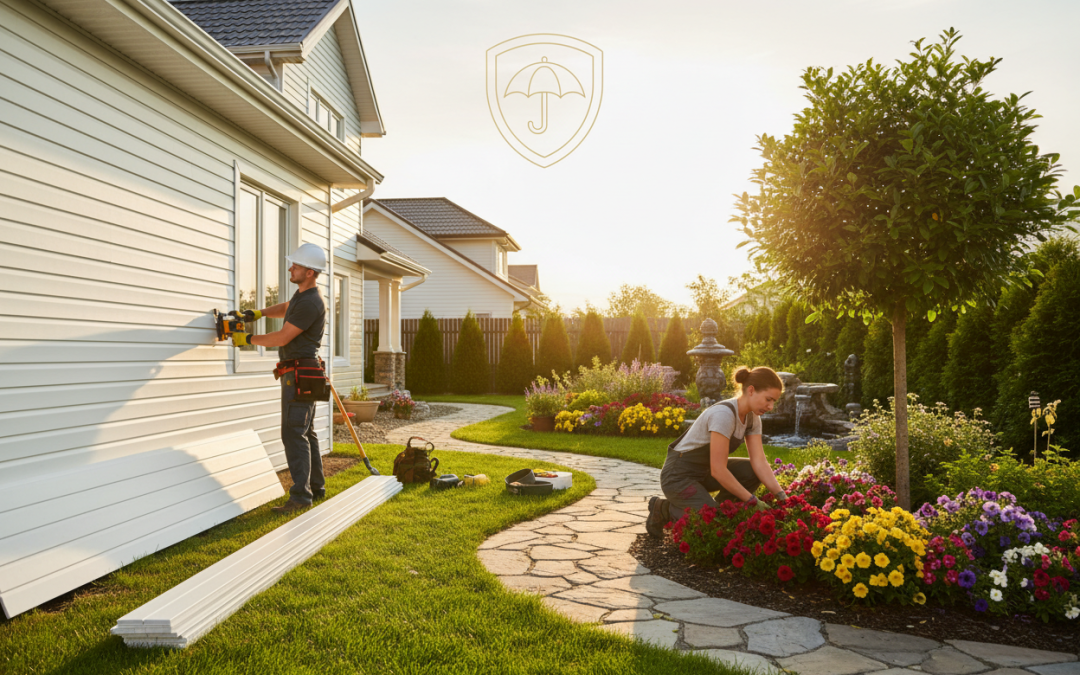
When you think about home improvements that boost your property value, siding replacement and landscaping probably top your list. But here’s something many homeowners don’t consider: these two investments work hand in hand to protect each other. Your beautiful new siding can be damaged by poor landscaping choices, while smart landscaping decisions can extend the life of your siding for decades.
As someone who’s seen countless homeowners make costly mistakes with their exterior renovations, I can tell you that understanding the relationship between your home’s siding and surrounding landscape is crucial. Whether you’re planning a complete exterior makeover or just tackling one project at a time, this guide will help you make decisions that protect and enhance both investments.
Why Your Siding and Landscaping Need to Work Together
Your home’s exterior is like a carefully orchestrated symphony – every element needs to complement the others. When siding and landscaping clash, you’re not just dealing with aesthetic issues; you’re potentially setting yourself up for expensive repairs down the road.
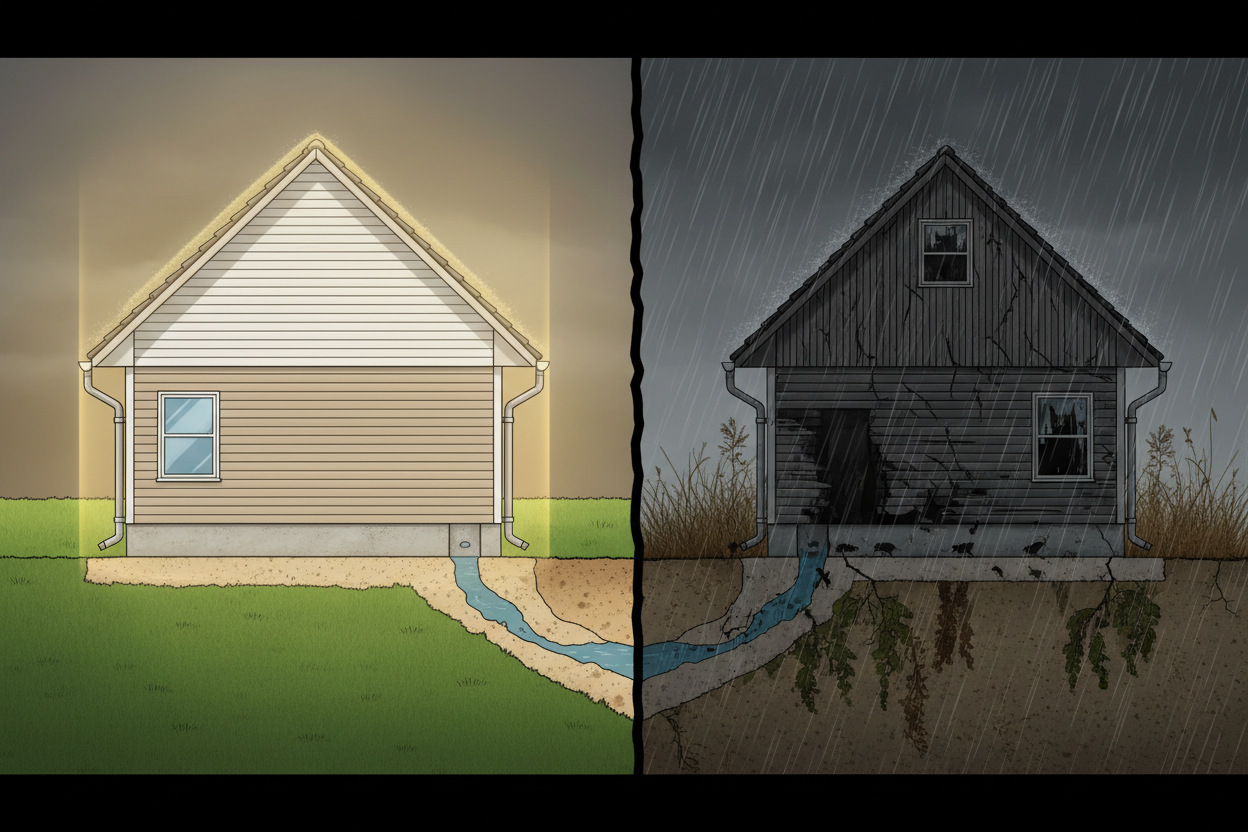
Think about it this way: your siding is your home’s first line of defense against the elements, while your landscaping controls how water, debris, and even pests interact with your house. When these systems work together properly, they create a protective barrier that can last for generations. When they don’t, you might find yourself dealing with moisture damage, pest infestations, or premature siding failure.
I’ve walked through neighborhoods where homeowners spent thousands on premium fiber cement siding, only to plant aggressive climbing vines right against their walls. Five years later, they’re dealing with damaged siding and moisture issues that could have been completely avoided with better planning.
Common Landscaping Mistakes That Damage Siding
Let’s start with what not to do. These landscaping choices might seem harmless, but they can wreak havoc on your siding investment.
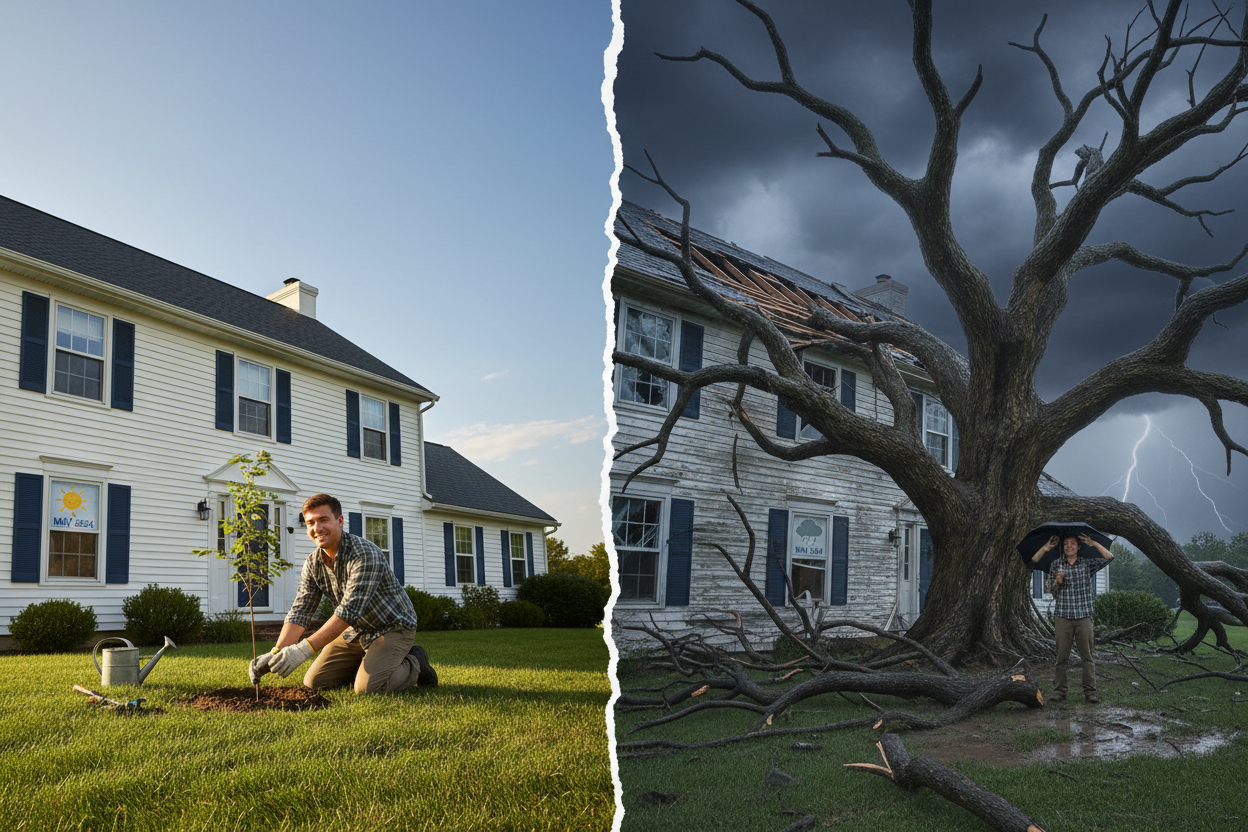
Planting trees too close to your house is probably the most expensive mistake I see. That cute little maple sapling looks innocent enough, but in ten years, its branches will be scraping against your siding with every breeze. Even worse, falling branches during storms can cause significant damage that insurance might not cover if the tree was obviously too close to the house.
Sprinkler systems pointed directly at siding create another major problem. Constant moisture exposure, especially on wood or engineered siding, can lead to rot, mold, and premature failure. I’ve seen homeowners replace entire sections of siding because their irrigation system was slowly destroying their investment.
Climbing plants present a tricky situation. While ivy-covered walls look charming, most climbing plants can damage siding over time. They trap moisture against the surface, their tendrils can work into small gaps and expand them, and removing them later often damages the siding surface.
Poor drainage around your foundation affects both your landscaping and your siding. When water pools near your house, it can splash up onto lower siding sections, cause foundation settling that affects siding alignment, and create perfect conditions for pest problems.
Choosing the Right Plants for Your Siding Type
Different siding materials have different vulnerabilities, which means your plant choices should vary accordingly. Understanding these relationships can save you thousands in future repairs.
If you have vinyl siding, heat reflection is your biggest concern. Dark-colored plants or those with glossy leaves can create hot spots that warp vinyl panels. Instead, choose plants with lighter, matte foliage and ensure adequate air circulation between plants and walls. Hostas, ferns, and other shade plants work beautifully near vinyl siding.
Wood siding requires the most careful plant selection. Anything that holds moisture or attracts insects should be kept well away from wooden walls. Skip the dense evergreen shrubs planted right against the house – they trap moisture and provide perfect hiding spots for carpenter ants and termites. Ornamental grasses and perennials that die back in winter are much safer choices.
Fiber cement and engineered siding can handle a bit more moisture than wood, but you still want to avoid plants that require frequent watering or create dense, humid microclimates. These materials can also be scratched by thorny plants, so keep roses and barberry bushes at a respectful distance.
For brick and stone siding, your main concerns are staining and mortar damage. Avoid plants that drop berries or have aggressive root systems. Fruit trees might seem like a great idea, but fallen fruit can stain masonry surfaces, and the cleanup process often involves pressure washing that can damage mortar joints.
Proper Plant Spacing and Maintenance
Even the right plants can cause problems if they’re not properly positioned and maintained. The key is understanding how your plants will grow and planning accordingly.
The general rule is to plant shrubs at least three feet from your siding, but this varies based on the mature size of the plant. That compact boxwood might only need two feet of space, while a rhododendron could require six feet or more. Always check the plant tag for mature dimensions and plan for the full-grown size, not the cute little plant you’re buying today.
Regular pruning isn’t just about aesthetics – it’s essential for protecting your siding. Branches should never touch your walls, and you want at least six inches of clearance to allow for air circulation. This prevents moisture buildup and reduces the risk of pest problems.
Ground cover plants need special attention too. While they can look beautiful cascading down from raised beds, make sure they don’t trap debris against your foundation or create pathways for pests to reach your siding. Mulch should also be kept at least six inches away from your house to prevent moisture problems and pest issues.
Timing Your Siding Replacement with Landscaping Projects
If you’re planning both siding replacement and major landscaping work, timing these projects correctly can save you money and protect both investments.
Generally, it’s best to complete your siding project before major landscaping work. Construction crews need access to all sides of your house, and their equipment can damage existing plants and hardscaping. Plus, you’ll have a better sense of how your new siding looks when making plant and material choices for your landscape design.
However, there are exceptions to this rule. If your current landscaping is causing siding problems – like overgrown trees with branches against the house or poor drainage issues – you might want to address these problems first. Otherwise, your new siding could face the same challenges that damaged the old siding.
Consider doing your projects in phases. Start with any necessary tree removal or major grading work, then install your new siding, and finally complete the decorative landscaping. This approach minimizes the risk of damage to either investment while ensuring everything works together properly.
Seasonal Maintenance Tips
Protecting your siding and landscaping investments requires ongoing attention throughout the year. Each season brings different challenges and opportunities for maintenance.
Spring is the time for inspection and prevention. Walk around your house and look for any winter damage to your siding. Check that plants haven’t grown too close to your walls over the winter, and trim back anything that’s encroaching. This is also the perfect time to adjust your irrigation system to ensure it’s not spraying your siding.
Summer maintenance focuses on managing growth and moisture. Keep up with regular pruning to maintain proper clearance from your siding. Pay special attention to fast-growing plants like clematis or honeysuckle that might have gotten away from you. If you’re watering by hand, be mindful of splash-back onto your siding, especially with wood materials.
Fall preparation is crucial for winter protection. Clean gutters to prevent overflow onto your siding, and remove any plant debris that’s accumulated against your house. This is also the time to check for any pest issues that might have developed over the growing season, as insects often try to overwinter in the gap between plants and siding.
Winter might seem like a quiet time for exterior maintenance, but it’s actually when many problems develop. Heavy snow against your siding can cause moisture issues, while ice dams can lead to water damage. Keep plants properly pruned so they don’t collect heavy snow that could fall against your walls.
Working with Professionals
While many homeowners can handle basic landscaping and siding maintenance, there are times when professional help is worth the investment. Knowing when to call in experts can prevent costly mistakes and ensure your projects are completed correctly.
For siding replacement, working with experienced contractors is almost always recommended. They understand building codes, proper installation techniques, and how different materials interact with environmental factors. A good siding contractor will also point out potential landscaping issues that could affect your new siding.
Landscape designers can be invaluable when planning major changes around your home. They understand plant growth patterns, soil conditions, and how different elements work together over time. If you’re investing in premium siding, it makes sense to invest in professional landscape design that will protect and complement that investment.
Even if you’re doing the work yourself, consider consulting with professionals during the planning phase. A brief consultation with a landscape architect or experienced contractor can help you avoid expensive mistakes and ensure your projects work together effectively.
Conclusion
Your home’s siding and landscaping represent significant investments that should work together to protect and enhance your property value. By understanding how these elements interact, choosing appropriate plants for your siding type, maintaining proper spacing and care, and timing your projects wisely, you can ensure both investments provide decades of beauty and protection.
Remember that the cheapest option isn’t always the most economical in the long run. Spending a bit more upfront on quality materials and professional guidance can save you thousands in future repairs and replacements. Your home’s exterior is too important to leave to chance – take the time to plan these projects thoughtfully, and you’ll enjoy the results for years to come.
Whether you’re just starting to plan your exterior improvements or you’re in the middle of decision-making, keep these principles in mind. Your future self will thank you for taking the time to do things right the first time.
Frequently Asked Questions
How far should I plant shrubs from my house siding?
Generally, plant shrubs at least 3 feet from your siding, but this depends on the mature size of the plant. Larger shrubs may need 6 feet or more of clearance. Always check the plant tag for mature dimensions and plan accordingly.
Can I plant climbing vines near my siding?
Most climbing vines can damage siding over time by trapping moisture and working into small gaps. If you want climbing plants, consider installing a trellis system that keeps the plants away from direct contact with your siding.
Should I replace my siding before or after landscaping?
Generally, complete siding replacement before major landscaping work. Construction crews need access to all sides of your house, and their equipment can damage existing plants. However, address any landscaping issues that are causing siding problems first.
How often should I trim plants near my siding?
Inspect and trim plants at least twice per year, typically in spring and fall. Fast-growing plants may need more frequent attention. Maintain at least 6 inches of clearance between plants and siding at all times.
What type of mulch is safest near siding?
Use inorganic mulches like gravel or rubber mulch within 6 inches of your house foundation. Organic mulches can attract pests and retain moisture, which can lead to siding problems over time.
Can sprinkler systems damage my siding?
Yes, sprinklers that spray directly onto siding can cause significant damage, especially to wood and engineered materials. Adjust your irrigation system to water plants without hitting your siding, or consider drip irrigation for plants near your house.





Home window replacement near me Waxahachie Texas


Window replacement near me in Balch Springs Texas





How much does it cost for vinyl replacement windows Gainesville Texas











Black replacement windows Preston Hollow Dallas Texas






Affordable home window replacement Lancaster Texas


Window replacement in Lake Highlands Dallas Texas









Home replacement window companies Arlington Texas



















Lewisville TX Cost Of Vinyl Siding Replacement