
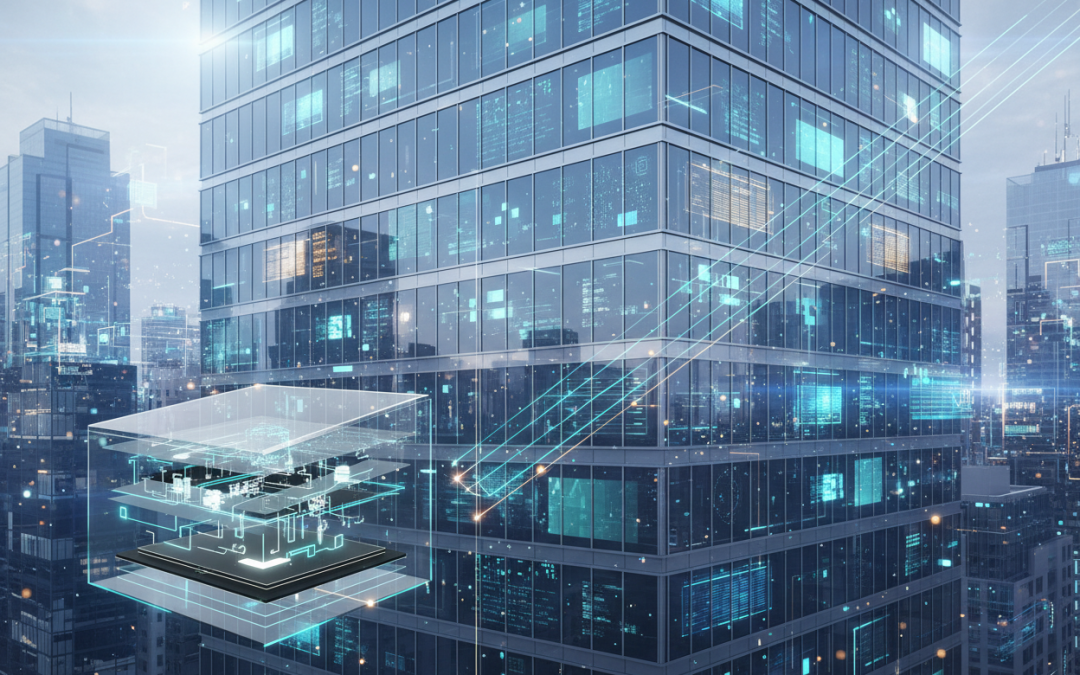
The Future of Window Technology: What’s Coming Next
Remember when windows were just transparent barriers between us and the outside world? Those days are quickly becoming a distant memory. Today’s windows are evolving into smart, multifunctional surfaces that can generate energy, display information, and even help regulate our health. As we stand on the cusp of a technological revolution in fenestration, the humble window is transforming into something that would have seemed like science fiction just a few decades ago.
The window industry is experiencing unprecedented innovation, driven by advances in materials science, digital technology, and our growing awareness of environmental sustainability. From self-tinting glass that responds to sunlight to transparent solar panels that turn every window into a power generator, the future of window technology promises to reshape how we think about our built environment.
Smart Glass: Windows That Think for Themselves
Smart glass technology represents one of the most exciting frontiers in window innovation. These intelligent surfaces can automatically adjust their transparency, tint, and even temperature based on external conditions or user preferences. Electrochromic glass, which changes opacity when an electrical current is applied, is already making its way into high-end residential and commercial buildings.
The beauty of smart glass lies in its ability to optimize natural light while maintaining privacy and energy efficiency. Imagine windows that automatically darken during the brightest parts of the day, reducing cooling costs, then gradually become transparent as the sun sets. Some advanced systems can even be programmed to respond to your daily schedule, ensuring optimal lighting conditions for work, relaxation, or sleep.
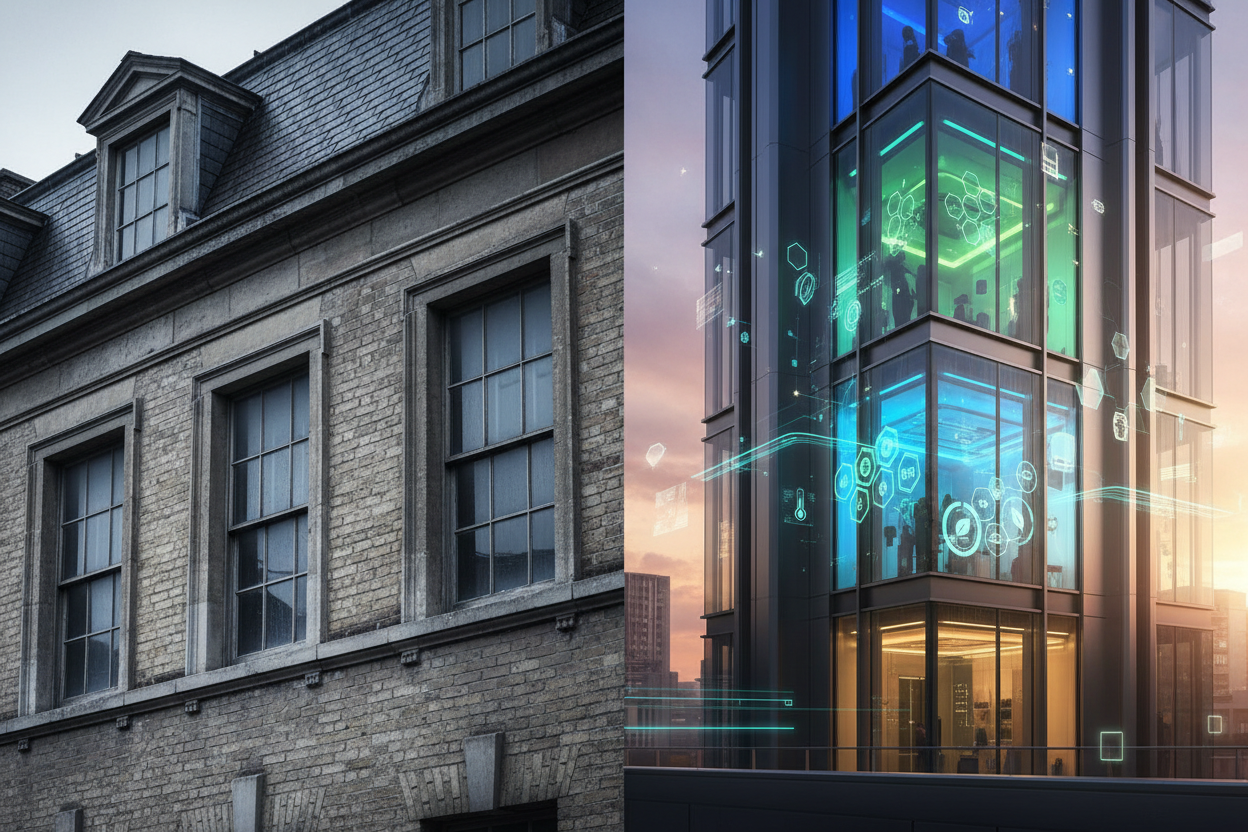
Thermochromic glass takes this concept further by responding to temperature changes. During hot summer days, these windows automatically become more opaque, blocking excess heat. In winter, they remain clear to maximize passive solar heating. This technology could significantly reduce HVAC costs while improving occupant comfort.
Energy-Generating Windows: Turning Sunlight into Power
Perhaps the most revolutionary development in window technology is the emergence of transparent photovoltaic cells. These innovative windows can generate electricity while maintaining their primary function as transparent barriers. Unlike traditional solar panels, which are opaque and require dedicated roof or ground space, solar windows can be integrated into any building facade.
Current transparent solar cell technology achieves efficiency rates of around 10-15%, which may seem modest compared to traditional solar panels. However, when you consider the vast surface area of windows in modern buildings, the potential for energy generation becomes substantial. A typical office building could potentially meet 20-30% of its energy needs through solar windows alone.
Perovskite solar cells are emerging as a game-changing technology in this space. These materials can be printed onto glass surfaces using relatively simple manufacturing processes, making them more cost-effective than traditional silicon-based solar cells. As efficiency rates continue to improve, we may soon see buildings that are entirely energy self-sufficient.
Health-Focused Window Innovations
The connection between natural light and human health is becoming increasingly clear, and window manufacturers are responding with technologies designed to optimize our well-being. Circadian lighting windows can adjust their color temperature throughout the day, mimicking natural sunlight patterns to help regulate our internal body clocks.
These health-conscious windows emit cooler, blue-rich light in the morning to promote alertness and gradually shift to warmer tones in the evening to support natural melatonin production. For people who spend most of their day indoors, this technology could help combat seasonal affective disorder and improve overall sleep quality.
Air-purifying windows represent another fascinating development in health-focused fenestration. These windows incorporate photocatalytic coatings that break down pollutants and harmful particles when exposed to sunlight. Titanium dioxide coatings, for example, can neutralize nitrogen oxides, volatile organic compounds, and even some bacteria and viruses.
Interactive and Display Windows
The line between windows and digital displays is blurring as transparent LED and OLED technologies mature. Interactive windows can display information, advertisements, or even entertainment content while maintaining their transparency. Imagine looking out your office window and seeing real-time weather data, news updates, or calendar reminders overlaid on the view.
Touch-sensitive windows are also becoming reality, allowing users to interact with digital content directly on the glass surface. These windows could serve as massive touchscreens for presentations, information displays, or even entertainment systems. In retail environments, storefront windows could become interactive catalogs, allowing passersby to browse products and make purchases without entering the store.
Augmented reality windows take this concept even further. By integrating sensors and display technology, these windows can overlay digital information onto the real world view. Navigation directions, building information, or even social media content could be displayed contextually based on what you’re looking at outside.
Advanced Materials and Nanotechnology
The future of window technology isn’t just about adding digital features; it’s also about reimagining the materials themselves. Aerogel-filled windows offer unprecedented insulation properties while maintaining transparency. These super-insulating windows could achieve R-values of 20 or higher, compared to 2-3 for standard double-pane windows.
Self-cleaning windows are becoming increasingly sophisticated through nanotechnology. Hydrophobic and photocatalytic coatings can break down dirt and organic matter while causing water to sheet off the surface, carrying away debris. These windows could dramatically reduce maintenance costs for high-rise buildings and improve visibility in all weather conditions.
Switchable privacy glass is evolving beyond simple on/off opacity. New materials can create patterns, gradients, or even programmable designs. Imagine windows that can display artistic patterns for privacy while still allowing some light transmission, or conference room glass that can selectively obscure certain areas while keeping others transparent.
Environmental Impact and Sustainability
As climate change concerns drive demand for sustainable building solutions, window technology is rising to meet the challenge. Triple and quadruple-pane windows with advanced gas fills and low-emissivity coatings are becoming standard in energy-efficient construction. These windows can achieve thermal performance levels that were unimaginable just a few years ago.
Recycled and bio-based materials are also making their way into window manufacturing. Some companies are developing window frames made from recycled ocean plastic or agricultural waste. Glass recycling technologies are improving, allowing for higher percentages of recycled content in new window production.
The concept of “cradle-to-cradle” design is influencing window development, with manufacturers considering the entire lifecycle of their products. This includes designing for disassembly, using materials that can be endlessly recycled, and minimizing environmental impact during production.
Challenges and Considerations for Future Window Technology
Despite the exciting possibilities, several challenges remain in bringing advanced window technologies to mainstream adoption. Cost is a significant barrier, as many of these innovations require expensive materials and manufacturing processes. However, as with most technologies, costs are expected to decrease as production scales up and manufacturing processes improve.
Durability and longevity are critical concerns for window technology. While a smartphone might be replaced every few years, windows are expected to last decades. Ensuring that electronic components and advanced materials can withstand weather, UV exposure, and thermal cycling over extended periods is a significant engineering challenge.
Integration with existing building systems presents another hurdle. Smart windows need to communicate with HVAC systems, lighting controls, and building management systems. Developing standardized protocols and ensuring compatibility across different manufacturers and systems will be crucial for widespread adoption.
The Road Ahead: What to Expect in the Next Decade
Looking ahead, we can expect to see continued convergence of different window technologies. Future windows might combine energy generation, smart tinting, air purification, and display capabilities in a single integrated system. As artificial intelligence and machine learning capabilities improve, these windows will become increasingly autonomous, learning from occupant preferences and environmental conditions to optimize performance automatically.
The Internet of Things (IoT) will play a crucial role in the evolution of window technology. Connected windows will be able to communicate with weather services, energy grids, and other building systems to make intelligent decisions about tinting, ventilation, and energy generation. This connectivity will enable predictive maintenance, allowing building managers to address issues before they become problems.
Manufacturing advances, particularly in 3D printing and flexible electronics, will enable more customized and cost-effective window solutions. We may see windows tailored to specific orientations, climates, or building uses, optimized for maximum performance in their particular application.
Conclusion
The future of window technology is bright, quite literally. As we move toward smarter, more sustainable buildings, windows are evolving from passive building components to active, intelligent systems that contribute to energy generation, health optimization, and user experience. While challenges remain in terms of cost, durability, and integration, the rapid pace of innovation suggests that many of these advanced window technologies will become commonplace within the next decade.
For homeowners, architects, and building professionals, staying informed about these developments will be crucial for making smart investment decisions. The windows we install today may seem outdated compared to what’s coming, but the windows of tomorrow promise to transform our relationship with the built environment in ways we’re only beginning to imagine.
As we stand at the threshold of this technological revolution, one thing is clear: the future of windows is far more exciting than simply providing a view to the outside world. They’re becoming gateways to a smarter, more sustainable, and more connected future.
Frequently Asked Questions
Q: How much do smart windows cost compared to traditional windows?
A: Smart windows currently cost 2-5 times more than traditional windows, depending on the technology. However, prices are expected to decrease significantly as production scales up and technology matures. The energy savings and other benefits often justify the higher initial investment over time.
Q: Are solar windows as efficient as traditional solar panels?
A: Transparent solar windows currently achieve 10-15% efficiency compared to 20-22% for traditional solar panels. However, their ability to be integrated into building facades without requiring additional space makes them valuable despite lower efficiency rates.
Q: How long do smart windows last?
A: Most smart window technologies are designed to last 20-25 years, similar to traditional high-quality windows. However, electronic components may require maintenance or replacement during this period, particularly in the early generations of these technologies.
Q: Can existing windows be upgraded with smart technology?
A: Some smart window technologies can be retrofitted to existing windows through films or secondary glazing systems. However, the best performance is typically achieved with purpose-built smart windows that integrate the technology during manufacturing.
Q: Do smart windows require special maintenance?
A: Smart windows generally require similar cleaning and maintenance to traditional windows, plus occasional software updates and electronic component checks. Self-cleaning coatings on many advanced windows actually reduce maintenance requirements compared to standard glass.
Q: Are there privacy concerns with connected smart windows?
A: Like any connected device, smart windows raise potential privacy concerns. However, most systems are designed to operate locally with minimal data transmission. It’s important to choose products from reputable manufacturers with strong privacy policies and security measures.














How much does it cost for vinyl replacement windows North Richland Hills Texas

Home window replacement near me Cedar Hill Texas


How much does it cost for vinyl replacement windows Lindsay Texas

How much does it cost for vinyl replacement windows Parker Texas





How much does it cost for vinyl replacement windows Gainesville Texas



How much does it cost for vinyl replacement windows Sadler Texas












Replacement window companies Lowry Crossing Texas






Window replacement near me in Farmersville Texas