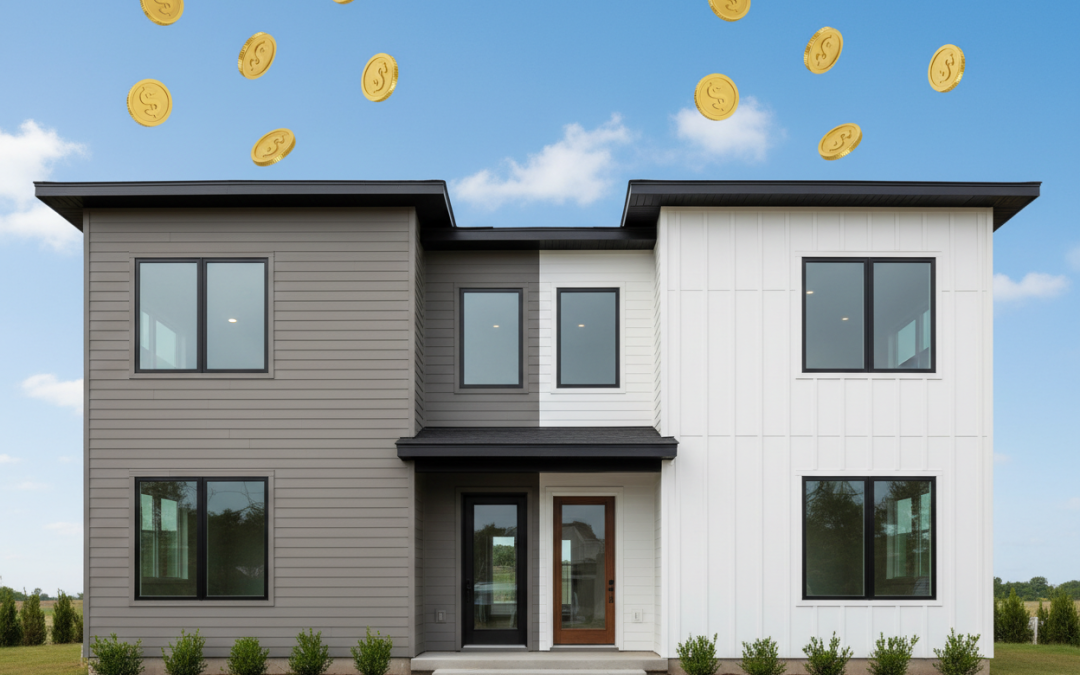
Vinyl Siding vs Fiber Cement: Which Investment Pays Off?
When it comes to choosing exterior siding for your home, the decision can feel overwhelming. After all, you’re not just picking a color or texture – you’re making a substantial investment that will affect your home’s appearance, maintenance needs, and resale value for decades to come. Two of the most popular options homeowners consider are vinyl siding and fiber cement, each offering distinct advantages and drawbacks that can significantly impact your wallet over time.
The truth is, there’s no one-size-fits-all answer to which siding material offers the better return on investment. Your climate, budget, long-term plans, and personal preferences all play crucial roles in determining which option will serve you best. Let’s dive deep into both materials to help you make an informed decision that you’ll be happy with for years to come.
Understanding Vinyl Siding: The Popular Choice
Vinyl siding has dominated the American housing market for good reason. Made from polyvinyl chloride (PVC), this synthetic material has evolved significantly since its introduction in the 1950s. Today’s vinyl siding comes in an impressive array of colors, textures, and styles that can mimic everything from traditional wood clapboard to cedar shakes.
What makes vinyl particularly appealing to homeowners is its straightforward maintenance requirements and relatively affordable upfront cost. Unlike wood siding that needs regular painting and staining, vinyl maintains its color throughout its lifespan and typically only requires occasional washing with a garden hose and mild detergent.
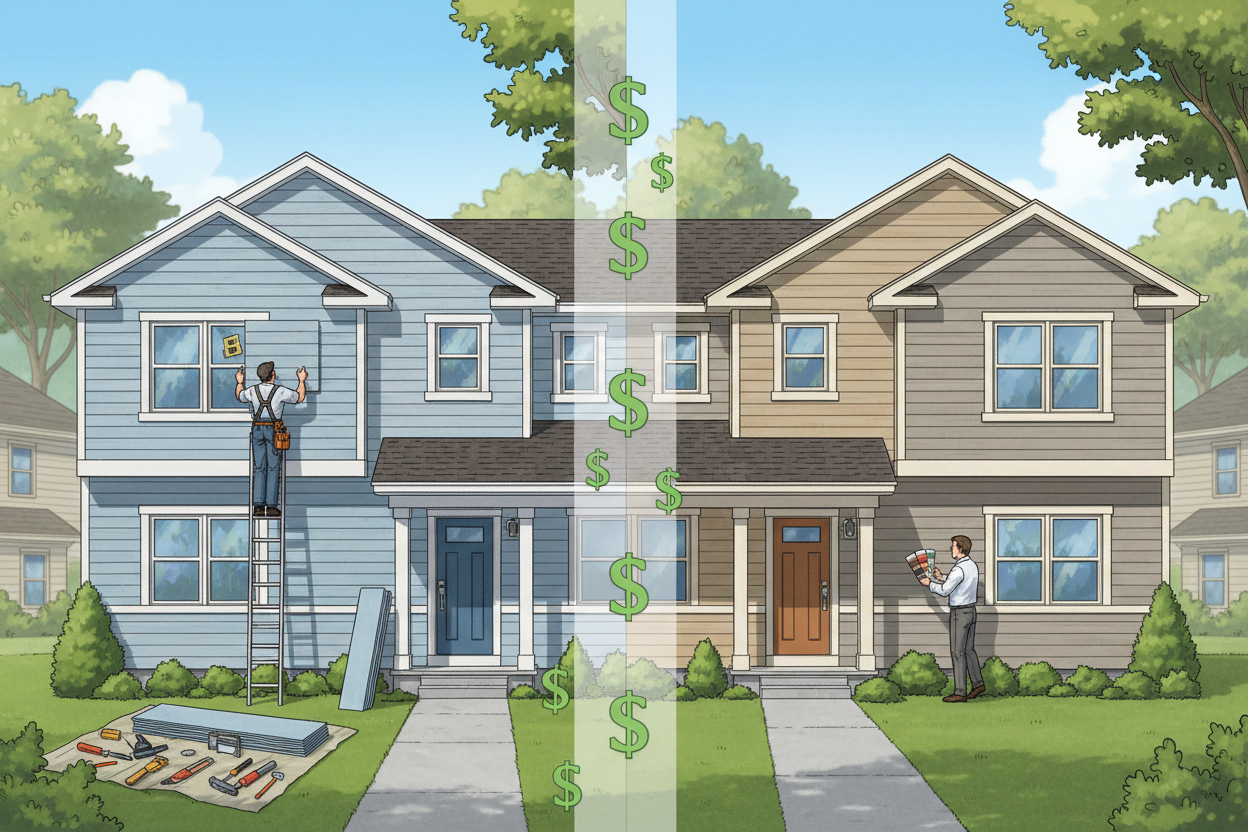
Modern vinyl siding also offers excellent insulation properties, especially when paired with insulated backing. This can contribute to improved energy efficiency and lower utility bills – a factor that shouldn’t be overlooked when calculating long-term value.
Fiber Cement: The Premium Alternative
Fiber cement siding represents a newer category of exterior cladding that has gained tremendous popularity among homeowners seeking durability and aesthetic versatility. Composed of cement, sand, and cellulose fibers, this engineered material offers the authentic look of wood, stucco, or masonry without many of the associated maintenance headaches.
James Hardie, the leading manufacturer in this space, has essentially become synonymous with fiber cement siding. Their products and similar offerings from other manufacturers can be painted in virtually any color and maintain that fresh appearance much longer than traditional wood siding.
What sets fiber cement apart is its exceptional durability and fire resistance. Unlike vinyl, which can melt or warp under extreme heat, fiber cement stands up to harsh weather conditions, including hail, high winds, and temperature fluctuations that might damage other materials.
Initial Investment: Comparing Upfront Costs
The cost difference between vinyl and fiber cement siding is substantial and often the primary factor in homeowner decision-making. Vinyl siding typically costs between $3 to $8 per square foot installed, while fiber cement ranges from $6 to $12 per square foot installed. For an average 2,000 square foot home, this translates to a difference of several thousand dollars.
However, these figures can vary significantly based on your location, the complexity of your home’s architecture, and current market conditions. Homes with multiple stories, intricate trim work, or unusual angles will increase installation costs for both materials, though fiber cement installation tends to be more labor-intensive due to its weight and cutting requirements.
It’s worth noting that while vinyl’s lower upfront cost is attractive, the total cost of ownership over 20-30 years may tell a different story. Quality vinyl siding from reputable manufacturers can last 20-30 years, while fiber cement often comes with 30-50 year warranties and can last even longer with proper maintenance.
Durability and Weather Resistance: Long-Term Performance
When evaluating siding materials, durability should be a top priority since replacement costs are significant. Vinyl siding performs admirably in most climates but has some limitations. Extreme cold can make vinyl brittle and prone to cracking, while intense heat can cause warping or melting. Additionally, vinyl can fade over time, particularly darker colors exposed to constant sunlight.
Fiber cement excels in durability testing. It’s engineered to withstand freeze-thaw cycles, resist impact damage, and maintain its structural integrity in extreme weather conditions. The material won’t rot, warp, or provide food for insects, making it an excellent choice for areas prone to termites or carpenter ants.
In regions with severe weather – think hailstorms, hurricanes, or wildfires – fiber cement’s superior performance can translate into lower insurance premiums and fewer repair costs over time. Some insurance companies even offer discounts for homes with fiber cement siding due to its fire-resistant properties.
Maintenance Requirements: Time and Money Considerations
Vinyl siding wins hands-down in the low-maintenance category. Beyond annual cleaning and occasional caulk touch-ups around windows and doors, vinyl requires minimal attention. If a piece becomes damaged, individual sections can usually be replaced without affecting the surrounding siding.
Fiber cement requires more ongoing attention, primarily in the form of periodic painting. Depending on your climate and the quality of paint used, you’ll need to repaint every 10-15 years. This isn’t necessarily a drawback – it provides opportunities to update your home’s color scheme – but it does represent an ongoing cost and time investment.
The painting requirement for fiber cement can add $8,000 to $15,000 every decade or so for an average home, depending on whether you hire professionals or tackle the job yourself. However, this cost should be weighed against vinyl’s potential need for complete replacement sooner than fiber cement.
Aesthetic Appeal and Curb Value
Both materials have made significant strides in aesthetic appeal, but they serve different market segments. High-quality vinyl siding can look quite attractive and offers consistent color and texture. However, it may not fool discerning eyes, and some homeowners feel it lacks the premium appearance they desire.
Fiber cement provides unmatched versatility in appearance. It can be manufactured to closely mimic wood grain, smooth finishes, or even stucco textures. When properly painted, fiber cement is virtually indistinguishable from premium wood siding but without the maintenance concerns.
From a resale perspective, both materials can add value to your home, but fiber cement typically commands a higher return on investment. Real estate professionals often note that homes with fiber cement siding appeal to a broader range of buyers and can support higher asking prices, particularly in upscale neighborhoods where material quality is scrutinized.
Environmental Impact and Sustainability
Environmental consciousness plays an increasingly important role in homeowner decisions. Vinyl siding, being a petroleum-based product, has a larger carbon footprint during manufacturing. However, its longevity and recyclability at end-of-life help offset some environmental concerns.
Fiber cement generally scores better on environmental assessments due to its natural material composition and longer lifespan. The manufacturing process does require energy, but the material’s durability means less frequent replacement and reduced long-term environmental impact.
Both materials contribute to energy efficiency when properly installed with appropriate insulation, potentially reducing your home’s heating and cooling costs throughout their lifespan.
Making the Right Choice for Your Situation
The decision between vinyl and fiber cement siding ultimately depends on your specific circumstances, priorities, and budget. If you’re planning to stay in your home for many years and value long-term durability over upfront savings, fiber cement may justify its higher initial cost through reduced maintenance and superior longevity.
Conversely, if budget constraints are primary or you’re not planning to stay in the home long-term, quality vinyl siding can provide excellent value and performance. The key is choosing a reputable manufacturer and ensuring proper installation regardless of which material you select.
Consider your local climate conditions, insurance implications, and neighborhood standards when making your decision. In some areas, fiber cement’s superior weather resistance makes it the clear choice, while in moderate climates, vinyl’s cost advantage might tip the scales.
Conclusion: Calculating Your Best Investment
Both vinyl siding and fiber cement can represent smart investments when chosen appropriately for your situation. Vinyl offers immediate cost savings and minimal maintenance, making it ideal for budget-conscious homeowners or those planning shorter-term ownership. Fiber cement commands a premium upfront but delivers superior durability, aesthetic flexibility, and potentially higher resale value.
The “best” investment isn’t always the one with the lowest upfront cost or even the highest quality materials. It’s the option that aligns with your financial situation, maintenance preferences, and long-term housing plans. Take time to get multiple quotes, examine samples in person, and consider the total cost of ownership over your expected timeframe in the home.
Remember that proper installation is crucial for either material’s performance. Choose experienced contractors with solid reputations and appropriate licensing and insurance. A quality installation can make even mid-grade materials perform exceptionally, while poor installation can compromise even premium products.
Frequently Asked Questions
Q: How long does vinyl siding typically last compared to fiber cement?
A: Quality vinyl siding typically lasts 20-30 years, while fiber cement can last 30-50 years or more with proper maintenance. The longer lifespan of fiber cement can offset its higher initial cost over time.
Q: Can vinyl siding be painted if I want to change colors?
A: Yes, vinyl siding can be painted, but it requires special paint designed for vinyl surfaces. However, this somewhat negates one of vinyl’s main advantages – its maintenance-free nature. The paint will need regular touch-ups and eventual repainting.
Q: Is fiber cement siding worth the extra cost in moderate climates?
A: Even in moderate climates, fiber cement’s durability and aesthetic flexibility can justify the extra cost, especially if you plan to stay in your home long-term or want maximum resale value. However, quality vinyl can perform well in moderate climates too.
Q: Which siding material offers better insulation properties?
A: Both materials can offer good insulation when installed with proper backing. Insulated vinyl siding provides excellent thermal performance, while fiber cement with proper house wrap and insulation can also contribute to energy efficiency.
Q: How do repair costs compare between vinyl and fiber cement siding?
A: Vinyl repairs are typically less expensive and easier to perform since individual pieces can be replaced. Fiber cement repairs may cost more due to the need for painting to match existing siding, but repairs are needed less frequently due to the material’s durability.
Q: Do insurance companies offer discounts for either siding type?
A: Some insurance companies offer discounts for fiber cement siding due to its fire-resistant properties, particularly in wildfire-prone areas. Vinyl siding typically doesn’t qualify for such discounts, though it may still meet standard coverage requirements.






Affordable home window replacement Pilot Point Texas


Affordable replacement windows Valley View Texas











Affordable home window replacement Lowry Crossing Texas




















Affordable home window replacement Blue Ridge Texas




Affordable home window replacement Whitesboro Texas