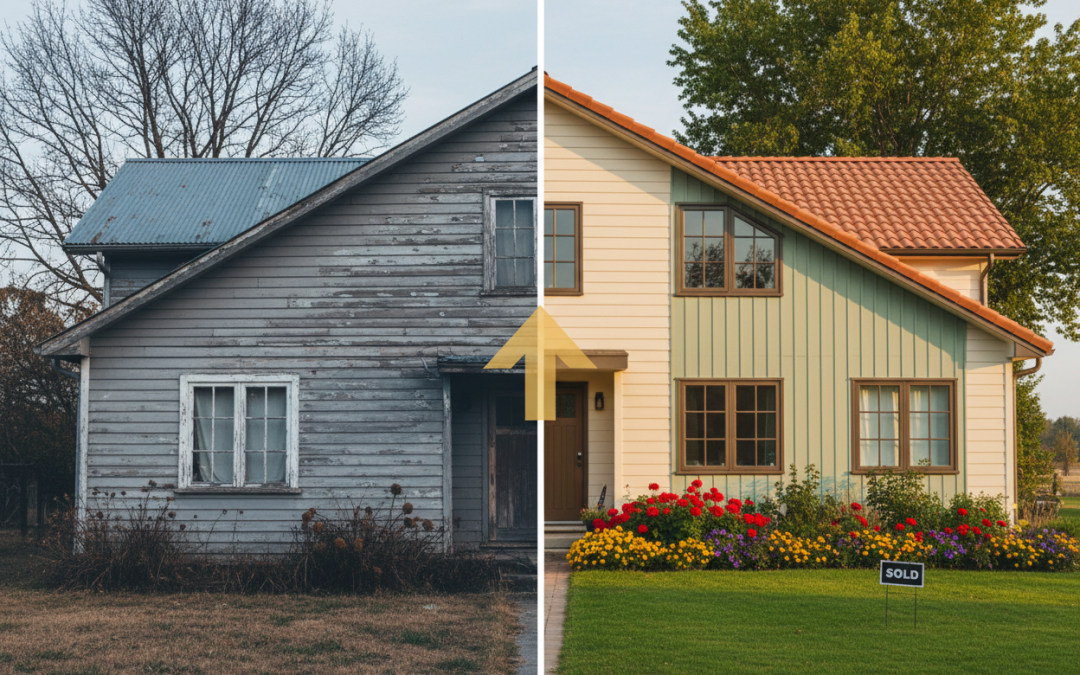
The Psychology of Curb Appeal: How New Siding Affects Home Value
Picture this: you’re driving through a neighborhood, and one house immediately catches your eye. The siding looks fresh, the colors are perfectly coordinated, and something about it just feels… right. That instant reaction you’re having? That’s the psychology of curb appeal at work, and it’s more powerful than you might think when it comes to your home’s value.
As a homeowner, you’ve probably heard the phrase “you never get a second chance to make a first impression” countless times. But when it comes to your home’s exterior, this couldn’t be more true. Your siding is essentially your home’s outfit – it’s the first thing potential buyers, neighbors, and even you see every day. And just like a well-tailored suit can make someone appear more successful and confident, quality siding can dramatically impact how your home is perceived and valued.
The relationship between curb appeal and home value isn’t just about aesthetics; it’s rooted in deep psychological principles that influence how we make decisions, form judgments, and assign value to properties. Understanding these psychological triggers can help you make smarter decisions about your home’s exterior and potentially add thousands of dollars to its market value.
The Science Behind First Impressions and Property Value
Researchers have discovered that it takes less than seven seconds for someone to form a first impression, and when it comes to real estate, this snap judgment can make or break a sale. The human brain is wired to make quick assessments about safety, quality, and desirability based on visual cues, and your home’s siding provides some of the most prominent visual information available.
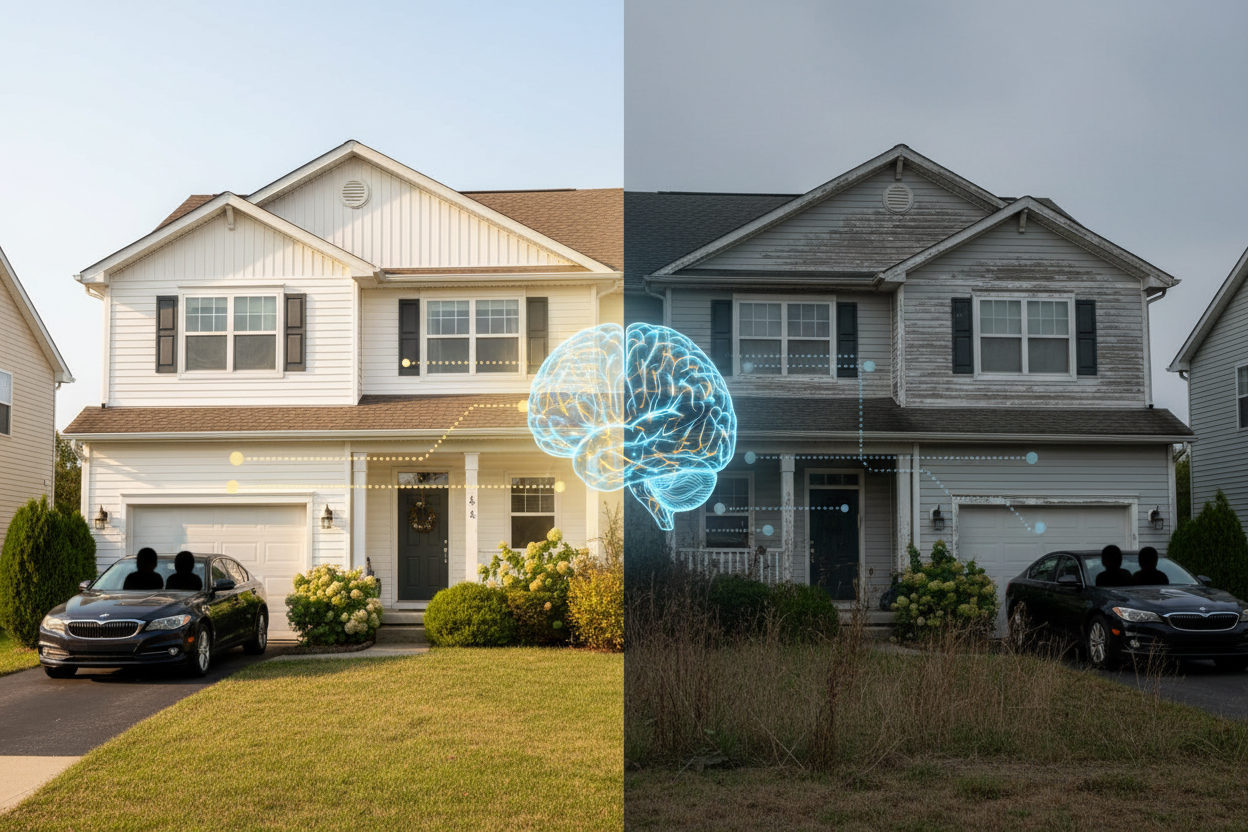
When potential buyers pull up to your property, their brains are instantly processing dozens of visual elements. The condition, color, and style of your siding sends immediate signals about the home’s maintenance level, the owner’s attention to detail, and even the property’s overall quality. This psychological phenomenon, known as the “halo effect,” means that positive first impressions from attractive siding can influence how buyers perceive everything else about your home – from the interior condition to the neighborhood’s desirability.
Real estate professionals consistently report that homes with updated, attractive siding not only sell faster but often command higher prices than comparable properties with outdated or damaged exterior materials. This isn’t just correlation – it’s a direct result of how our minds process and value visual information.
How Different Siding Materials Trigger Emotional Responses
Not all siding materials are created equal in the eyes of potential buyers, and each type triggers different emotional and psychological responses. Understanding these reactions can help you choose siding that not only looks great but also maximizes your home’s market appeal.
Vinyl siding, for instance, has evolved significantly from its early reputation as a “cheap” alternative. Modern vinyl siding with realistic textures and rich colors can trigger feelings of cleanliness, low maintenance, and practicality. Buyers often associate quality vinyl siding with smart homeownership and reduced future expenses, making it particularly appealing to first-time buyers and busy professionals.
Fiber cement siding, on the other hand, tends to evoke feelings of durability and premium quality. Its ability to mimic wood, stone, or other high-end materials while offering superior weather resistance appeals to buyers who want the best of both worlds. The psychological impact here is significant – buyers perceive homes with fiber cement siding as more substantial and better built, often justifying higher price points.
Wood siding continues to trigger strong emotional responses related to craftsmanship, tradition, and natural beauty. Despite requiring more maintenance, wood siding can make buyers feel like they’re purchasing a piece of history or investing in timeless quality. This emotional connection often translates into willingness to pay premium prices, especially in historic neighborhoods or areas where natural materials are highly valued.
Color Psychology and Its Impact on Home Valuation
The color of your siding doesn’t just affect your home’s appearance – it directly influences potential buyers’ emotions and their willingness to pay. Color psychology in real estate is a well-documented phenomenon that savvy homeowners can leverage to maximize their property’s value.
Neutral colors like gray, beige, and white tend to have the broadest appeal because they allow potential buyers to envision their own style and preferences. These colors trigger feelings of cleanliness, sophistication, and timelessness. Homes with neutral siding colors typically spend less time on the market and often receive offers closer to asking price because buyers aren’t distracted by bold color choices that might not match their personal taste.
Earth tones such as warm browns, sage greens, and muted blues can create feelings of comfort and connection to nature. These colors are particularly effective in suburban and rural settings where buyers are seeking a retreat from urban stress. The psychological impact of earth-toned siding often includes perceptions of stability, reliability, and harmony with the surrounding environment.
While bold colors can certainly make a statement, they can also limit your buyer pool. Bright reds, purples, or yellows might trigger strong positive reactions from some buyers but equally strong negative reactions from others. If you’re planning to sell within the next few years, it’s generally wiser to choose colors that have broad psychological appeal rather than highly personal preferences.
The Maintenance Factor: How Condition Affects Buyer Psychology
Beyond material and color, the condition of your siding sends powerful psychological signals that directly impact your home’s perceived value. Buyers are constantly, often subconsciously, assessing the maintenance requirements and hidden costs associated with a property, and your siding’s condition is one of their primary information sources.
Fresh, well-maintained siding triggers feelings of confidence and trust in potential buyers. When they see siding that’s clean, properly installed, and free from damage, their brains register this as evidence that the home has been well-cared for overall. This positive association often extends to assumptions about the home’s mechanical systems, interior condition, and even the seller’s honesty and reliability.
Conversely, damaged, faded, or poorly maintained siding immediately raises red flags in buyers’ minds. Peeling paint, loose boards, or visible wear patterns trigger anxiety about potential problems and hidden costs. Even if the interior of your home is immaculate, poor siding condition can create such strong negative first impressions that buyers never get past the exterior to appreciate your home’s other qualities.
The psychological impact of siding condition is so significant that many real estate agents recommend updating or refreshing siding as one of the most cost-effective ways to increase home value. The investment in new siding often pays for itself through faster sales and higher offers, making it one of the smartest home improvement decisions you can make.
Regional Preferences and Cultural Influences on Siding Appeal
The psychology of siding appeal isn’t universal – it’s heavily influenced by regional preferences, cultural backgrounds, and local architectural traditions. Understanding these factors can help you make siding choices that resonate with your specific market and maximize your home’s value in your particular area.
In New England, for example, buyers often have strong emotional connections to traditional materials like wood clapboard or cedar shingles. These materials trigger feelings of authenticity, historical connection, and regional pride. Choosing siding that honors these preferences can significantly impact your home’s marketability and value in these areas.
Southwestern regions might favor stucco or adobe-style finishes that connect with the area’s cultural heritage and climate considerations. The psychological appeal here often relates to feelings of coolness, desert beauty, and regional authenticity. Buyers in these markets may actually perceive traditional Northern materials as out of place or impractical.
Coastal areas present unique psychological considerations where buyers prioritize materials that suggest durability against salt air and storms. Fiber cement and quality vinyl siding often trigger positive responses related to smart coastal living and reduced maintenance concerns. The peace of mind associated with weather-resistant materials can translate directly into higher property values in these markets.
Investment Returns: Quantifying the Value of Siding Updates
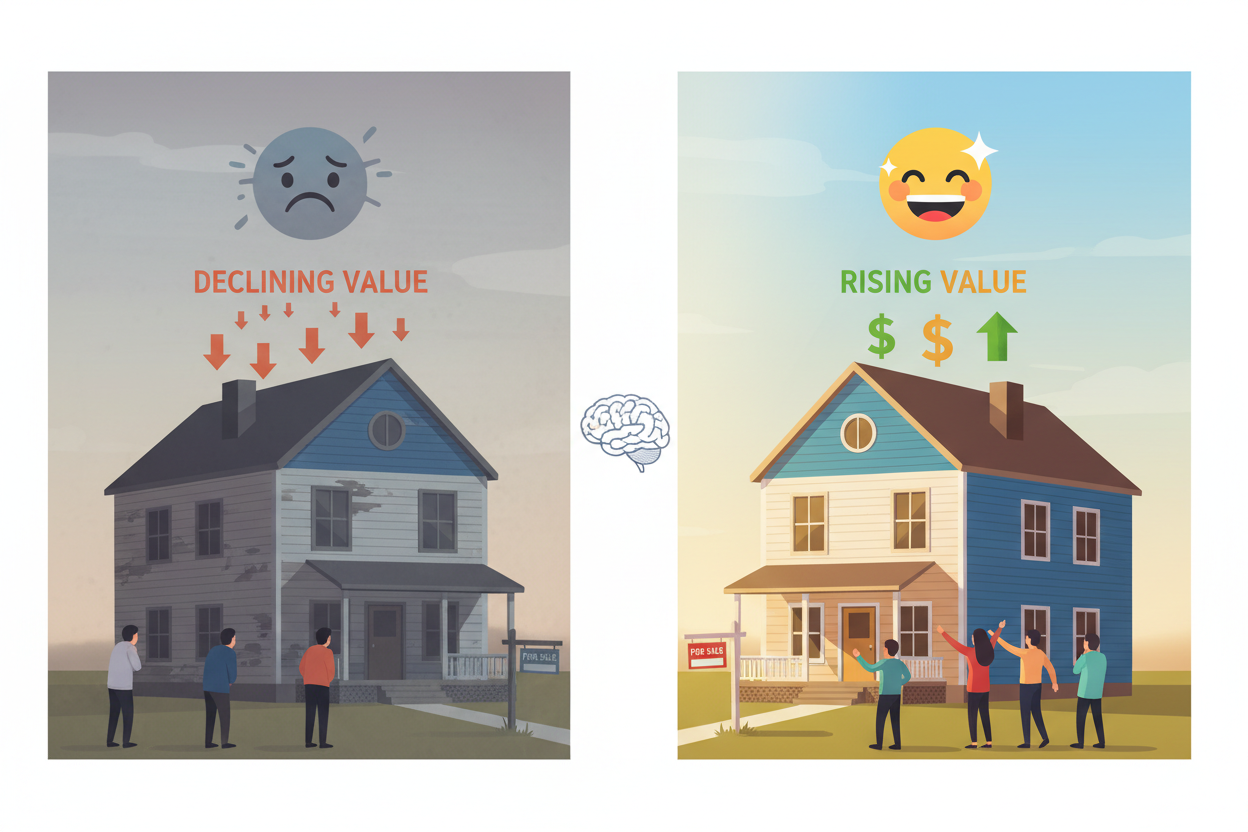
While the psychological benefits of attractive siding are clear, many homeowners want to understand the concrete financial returns on their siding investment. The good news is that siding replacement consistently ranks among the top home improvements for return on investment, with national averages showing 70-80% of the project cost recovered at resale.
However, these numbers only tell part of the story. The psychological impact of new siding often creates value that extends beyond simple cost recovery. Homes with attractive, updated siding frequently sell faster than comparable properties, reducing carrying costs and market risk. The reduced time on market can save thousands of dollars in mortgage payments, utilities, and maintenance costs while your home is for sale.
Additionally, the confidence boost that comes from improved curb appeal often allows sellers to price their homes more aggressively and negotiate from a position of strength. When buyers are psychologically drawn to your property’s exterior, they’re more likely to overlook minor interior flaws and focus on the positive aspects of your home.
The investment in quality siding also provides ongoing psychological benefits for current homeowners. Many people report feeling more proud of their home, more confident when entertaining guests, and more satisfied with their daily living environment after siding updates. These quality-of-life improvements, while harder to quantify, represent real value that extends far beyond eventual resale considerations.
Frequently Asked Questions
How much value does new siding typically add to a home?
New siding typically adds 70-80% of its installation cost to your home’s value, with some premium materials and installations seeing even higher returns. However, the exact value depends on your local market, the quality of materials chosen, and the condition of your previous siding.
Which siding material offers the best return on investment?
Vinyl and fiber cement siding typically offer the best balance of cost, durability, and market appeal, resulting in strong ROI. However, the “best” material depends on your local market preferences, climate conditions, and budget considerations.
How long does it take to see the value impact of new siding?
The curb appeal benefits of new siding are immediate, but the full financial impact is typically realized when you sell your home. However, many homeowners see benefits in terms of reduced maintenance costs and increased personal satisfaction right away.
Should I choose siding colors based on current trends or timeless appeal?
For maximum resale value, it’s generally better to choose colors with timeless appeal rather than following current trends. Neutral colors and earth tones tend to have broader market appeal and won’t look dated in a few years.
Does the age of my current siding affect the value impact of replacement?
Yes, replacing very old or damaged siding typically provides greater value impact than updating relatively new siding. If your current siding is less than 10 years old and in good condition, other improvements might provide better returns on investment.
How important is professional installation for maintaining siding value?
Professional installation is crucial for maximizing both the aesthetic and financial benefits of new siding. Poor installation can actually hurt your home’s value and create expensive problems down the road, making professional installation a worthwhile investment.
The psychology of curb appeal is a powerful force in real estate, and your siding plays a starring role in creating positive first impressions that translate into real financial value. By understanding how different materials, colors, and conditions affect buyer psychology, you can make informed decisions that not only enhance your daily enjoyment of your home but also maximize its market value when the time comes to sell. Remember, investing in quality siding isn’t just about improving your home’s appearance – it’s about leveraging human psychology to create lasting value that benefits you both now and in the future.





Energy-efficient vinyl windows Flower Mound Texas

Home window replacement near me Royse City Texas


Home window replacement cost Lakewood Dallas Texas











Energy-efficient vinyl windows Lakewood Dallas Texas




Home window replacement near me Pilot Point Texas









How much does it cost for vinyl replacement windows Prosper Texas






Affordable home window replacement Burleson Texas



Affordable replacement windows Highland Park Texas




























Crowley TX Replacement Siding Installation Services