

How to Negotiate Better Prices on Window and Siding Projects: A Homeowner’s Complete Guide
When it comes to major home improvement projects like window replacement or siding installation, the price tag can be staggering. I’ve seen homeowners pay anywhere from $15,000 to $50,000 or more for these projects, depending on their home’s size and material choices. The good news? With the right negotiation strategies, you can significantly reduce these costs without compromising on quality.
After years of working with contractors and helping homeowners navigate these expensive projects, I’ve learned that negotiation isn’t just about asking for a lower price – it’s about understanding the industry, timing your project right, and building relationships that benefit everyone involved. Let me share the insider strategies that have helped countless homeowners save thousands on their window and siding projects.

Understanding the Window and Siding Market Landscape
Before diving into negotiation tactics, it’s crucial to understand what drives pricing in the window and siding industry. Material costs fluctuate based on supply chain issues, seasonal demand, and manufacturing capacity. Labor costs vary significantly by region, with urban areas typically commanding higher prices than rural locations.
The window industry operates on different profit margins depending on the type of windows. Vinyl windows typically have lower margins, while custom wood or fiberglass windows offer contractors higher profits. Similarly, siding projects vary widely – vinyl siding installations are more competitive, while fiber cement or natural wood siding projects often have more negotiation room.
Most contractors build their estimates with a 20-40% markup over their actual costs. This markup covers overhead, insurance, profit, and unexpected expenses. Understanding this gives you insight into how much wiggle room exists in their initial quote.
Timing Your Project for Maximum Savings
The timing of your window and siding project can dramatically impact your negotiating power. Contractors experience significant seasonal fluctuations in demand, and smart homeowners can capitalize on these patterns.
Late fall and winter months are typically the slowest periods for exterior contractors. During these months, many contractors are eager to keep their crews busy and maintain cash flow. I’ve seen homeowners negotiate 15-25% discounts simply by scheduling their projects during these slower periods.
Economic downturns also present opportunities. When the housing market softens or economic uncertainty increases, contractors become more flexible with pricing. They’d rather work at reduced margins than have idle crews and equipment.
Additionally, consider the contractor’s schedule. A contractor with a gap in their calendar next month might offer better pricing than one booked solid for the next six months. Always ask about their current workload and availability.
Getting Multiple Competitive Quotes
The foundation of successful negotiation starts with gathering multiple quotes from reputable contractors. However, this process requires more strategy than simply calling three companies and comparing prices.
Start by researching contractors thoroughly. Check their licensing, insurance, Better Business Bureau ratings, and recent customer reviews. A contractor with excellent credentials might initially quote higher prices, but they often have more room to negotiate than budget contractors operating on thin margins.
When requesting quotes, provide identical specifications to each contractor. Create a detailed list of your requirements, including window styles, energy efficiency ratings, siding materials, colors, and any special features. This ensures you’re comparing apples to apples when evaluating proposals.
Don’t reveal other contractors’ prices during initial meetings. Instead, let each contractor present their best initial offer. Once you have all quotes, you can use them strategically in negotiations.
Effective Negotiation Strategies and Tactics
Successful negotiation begins with building rapport with your contractor. Remember, you’re not just negotiating a transaction – you’re potentially starting a relationship with someone who’ll be working on your home for weeks or months.
Start negotiations by expressing genuine interest in working with the contractor while acknowledging budget constraints. A phrase like “I really like your approach and want to work with you, but I need to make this project fit within my budget” opens the door for collaborative problem-solving.
Present competing quotes strategically. Rather than demanding they match a lower price, ask if they can help you understand the value differences between proposals. This approach often leads contractors to voluntarily adjust their pricing or add value to justify their costs.
Consider negotiating beyond just the bottom-line price. Ask about including additional services, upgraded materials, extended warranties, or faster completion timelines. Sometimes contractors can add significant value without dramatically impacting their profit margins.
Leveraging Bulk Purchasing and Package Deals
Contractors often receive better pricing from suppliers when purchasing materials in larger quantities. If you’re planning both window replacement and siding installation, bundling these projects can create cost savings for both you and your contractor.
Consider coordinating with neighbors if multiple homes in your area need similar work. Group purchasing can lead to significant discounts, as contractors can order materials more efficiently and reduce their mobilization costs by working in the same neighborhood.
Some contractors maintain relationships with multiple suppliers and can shop around for the best material prices. Ask if they’re willing to explore different supplier options to reduce costs, especially for standard materials like vinyl siding or basic vinyl windows.
Understanding Material Costs and Labor Expenses
Knowledge is power in negotiations. Research current material costs for windows and siding in your area. Many building supply stores publish price lists, and online resources provide rough estimates for various materials.
Labor typically accounts for 40-60% of total project costs. Understanding local labor rates helps you evaluate whether a contractor’s pricing is reasonable. However, remember that experienced, skilled installers command higher wages but often deliver better results and faster completion times.
Ask contractors to break down their estimates into material and labor components. This transparency helps you identify where costs might be reduced and demonstrates that you’re an informed consumer.
Building Long-term Relationships with Contractors
Contractors value customers who pay promptly, communicate clearly, and provide positive referrals. If you demonstrate that you’re this type of client, many contractors will offer preferential pricing to secure your business and potential future referrals.
Consider offering to serve as a reference for future customers in exchange for better pricing. Contractors highly value homeowners willing to show their work to prospective clients or provide testimonials.
Discuss future projects during negotiations. If you’re planning additional home improvements, mentioning these can motivate contractors to offer better pricing on the current project to establish a long-term relationship.
Payment Terms and Financing Options
Your payment approach can significantly impact negotiation success. Contractors prefer customers who can pay quickly and reliably. If you can offer faster payment terms or larger upfront payments, many contractors will reduce their prices.
However, be cautious about paying too much upfront. Most states have laws limiting how much contractors can request before starting work. A reasonable approach is 10-15% down, with progress payments tied to project milestones.
Explore financing options that might make higher-quality contractors more affordable. Some contractors offer financing programs, and home improvement loans often provide better terms than credit cards or personal loans.
Common Negotiation Mistakes to Avoid
One of the biggest mistakes homeowners make is focusing solely on the lowest price. Extremely low bids often indicate corner-cutting, inexperienced contractors, or potential change orders that will increase costs later.
Avoid being overly aggressive in negotiations. Contractors need to maintain reasonable profit margins to stay in business and provide quality work. Pushing too hard can result in corners being cut or contractors walking away from the project.
Don’t neglect to verify licensing, insurance, and references before negotiating. A slightly higher price from a reputable contractor is almost always better than a low price from someone who might not complete the work properly or honor warranties.
Finally, avoid making decisions based solely on initial presentations. Take time to evaluate proposals thoroughly, check references, and ensure you understand exactly what’s included in each quote before beginning negotiations.
Conclusion
Negotiating better prices on window and siding projects requires preparation, patience, and strategy. By understanding market dynamics, timing your project appropriately, and building genuine relationships with contractors, you can achieve significant savings without compromising quality.
Remember that the goal isn’t just to get the lowest price – it’s to get the best value for your investment. A well-negotiated project with a reputable contractor will provide years of satisfaction and potentially increase your home’s value more than a poorly executed budget job.
Start your negotiation process early, gather multiple quotes, and approach discussions as collaborative problem-solving rather than adversarial bargaining. With these strategies, you’ll be well-equipped to secure fair pricing on your window and siding projects while building positive relationships with quality contractors.
Frequently Asked Questions
Q: How much can I realistically expect to save through negotiation on window and siding projects?
A: Typical savings range from 10-25% off initial quotes, depending on market conditions, timing, and your negotiation approach. During slower seasons or economic downturns, savings of 30% or more are possible with skilled contractors who have availability.
Q: Should I always choose the lowest bid for my window or siding project?
A: No, the lowest bid often indicates potential problems like inexperienced contractors, inferior materials, or hidden costs that will emerge later. Focus on the best value, which considers price, quality, reputation, and included services.
Q: When is the best time of year to negotiate window and siding projects?
A: Late fall through early spring typically offers the best negotiation opportunities, as this is the slowest period for exterior contractors. November through February often provide the most leverage for price negotiations.
Q: How many quotes should I get before starting negotiations?
A: Aim for 3-5 quotes from reputable contractors. This provides sufficient comparison data without overwhelming yourself with options. Ensure all contractors are properly licensed, insured, and have good references.
Q: Can I negotiate after signing a contract if I find a better price elsewhere?
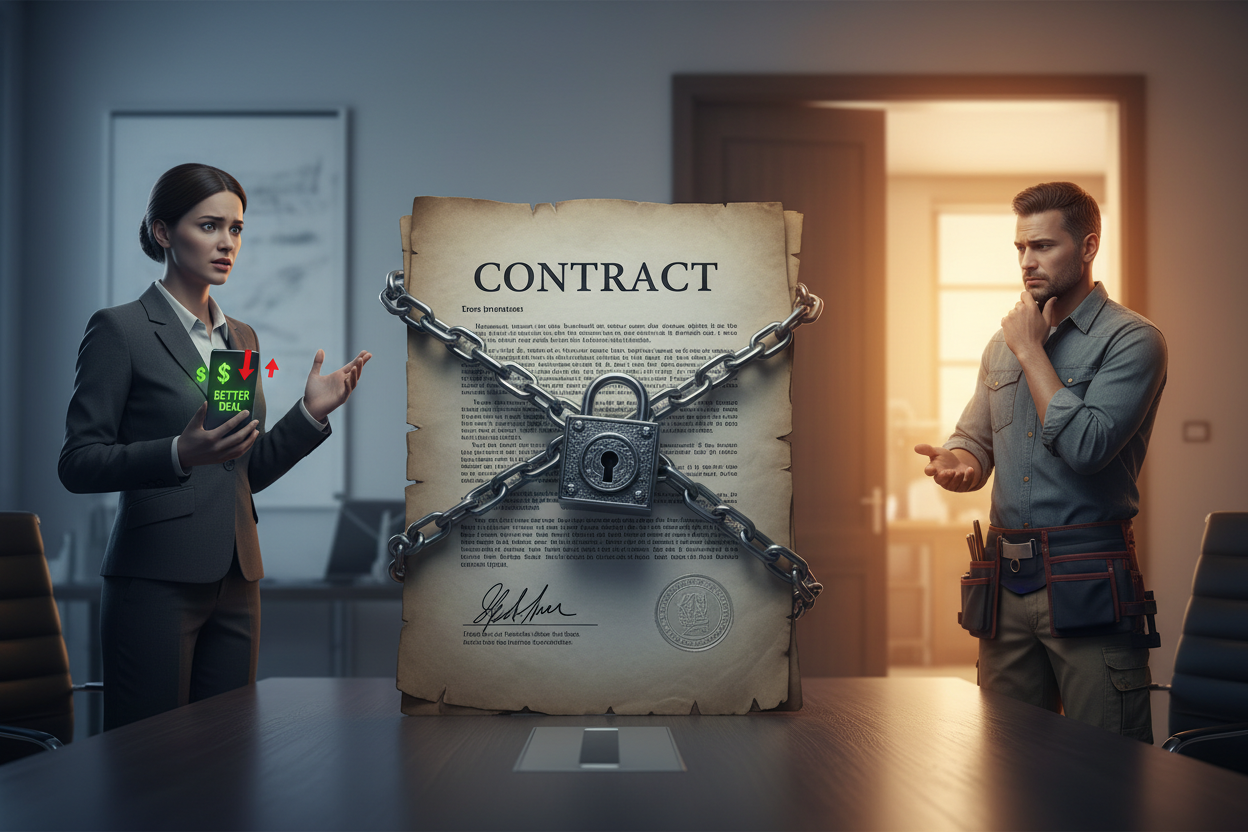
A: Generally, no. Once you’ve signed a contract, you’re legally bound to those terms. However, if you haven’t started work and approach the contractor professionally, they might be willing to renegotiate to keep your business, though they’re not obligated to do so.
Q: What should I do if a contractor won’t negotiate on price?
A: Ask about adding value instead of reducing price. This might include upgraded materials, extended warranties, additional services, or faster completion timelines. If they won’t budge at all, consider whether their initial pricing reflects superior quality or service that justifies the cost.









Home replacement window companies Whitesboro Texas

Home replacement window companies Flower Mound Texas


















How much does it cost for vinyl replacement windows Justin Texas





Home replacement window companies Mckinney Texas





















Colleyville TX Replacement Siding Installation Services