
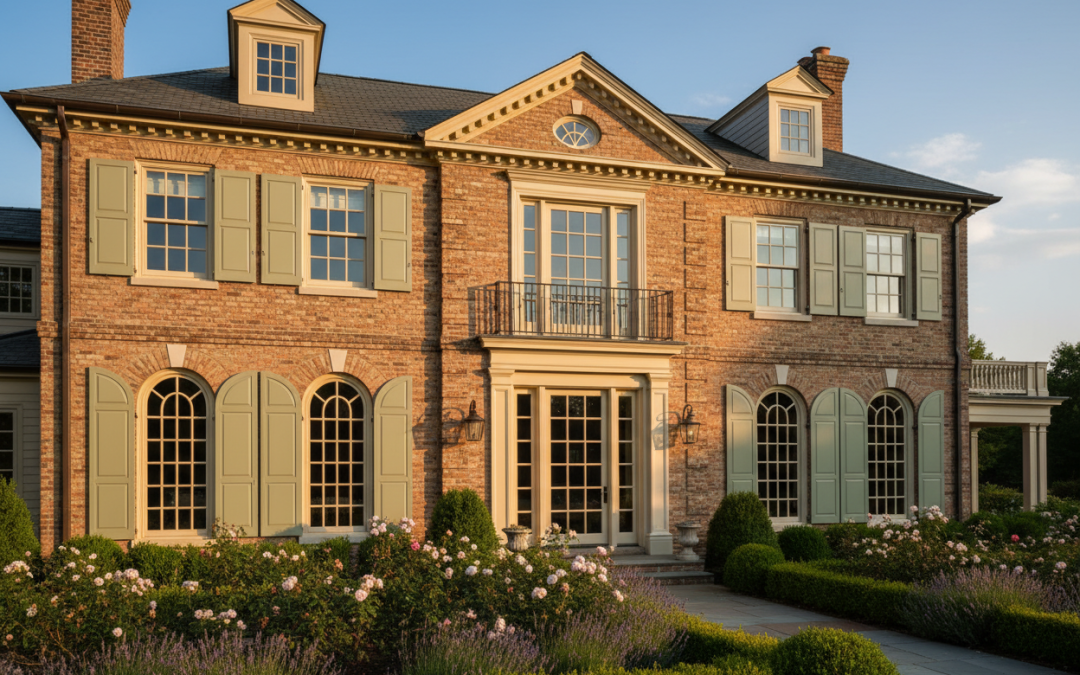
The Art of Matching New Windows to Existing Architecture
Replacing windows in your home isn’t just about improving energy efficiency or updating functionality – it’s about preserving the soul of your property while enhancing its beauty. Whether you own a Victorian masterpiece, a mid-century modern gem, or a charming colonial, the windows you choose can either complement your home’s architectural integrity or completely undermine it.
The challenge lies in finding that perfect balance between modern performance and timeless aesthetics. Many homeowners struggle with this decision, often torn between wanting contemporary features and maintaining their home’s historical character. The good news? With careful consideration and the right approach, you can achieve both goals seamlessly.
Understanding Your Home’s Architectural DNA
Before you even think about window styles or materials, you need to become intimately familiar with your home’s architectural language. Every architectural style has its own vocabulary of proportions, materials, and design elements that work together to create a cohesive aesthetic.
Take a step back and really observe your home. Notice the roofline, the spacing between windows, the relationship between window height and width, and how windows relate to other architectural features like doors, porches, or decorative trim. These elements aren’t random – they follow specific design principles that have evolved over centuries.
Consider hiring an architectural historian or consulting with a preservation specialist if you own a particularly significant property. They can help you understand the subtle nuances that make your home’s style authentic and guide you toward appropriate window choices.
Window Proportions and Scale: Getting the Math Right
One of the most critical aspects of matching new windows to existing architecture is maintaining proper proportions. This isn’t just about aesthetic preference – it’s about mathematical relationships that our eyes instinctively recognize as “right” or “wrong.”
Traditional architectural styles often follow specific proportion rules. Georgian and Federal homes typically feature windows that are taller than they are wide, often in ratios like 3:2 or 4:3. Prairie Style homes, on the other hand, embrace horizontal emphasis with wider windows that complement their low-slung profiles.
When measuring for replacement windows, don’t just focus on fitting the existing opening. Consider whether the current proportions are original to the home or the result of previous renovations that may have compromised the architectural integrity. Sometimes, restoring original proportions requires more extensive work but results in a dramatically improved appearance.
Material Selection: Balancing Authenticity with Performance
The material you choose for your new windows can make or break the architectural harmony of your home. Each material carries its own visual weight and historical associations that need to align with your home’s style and era.
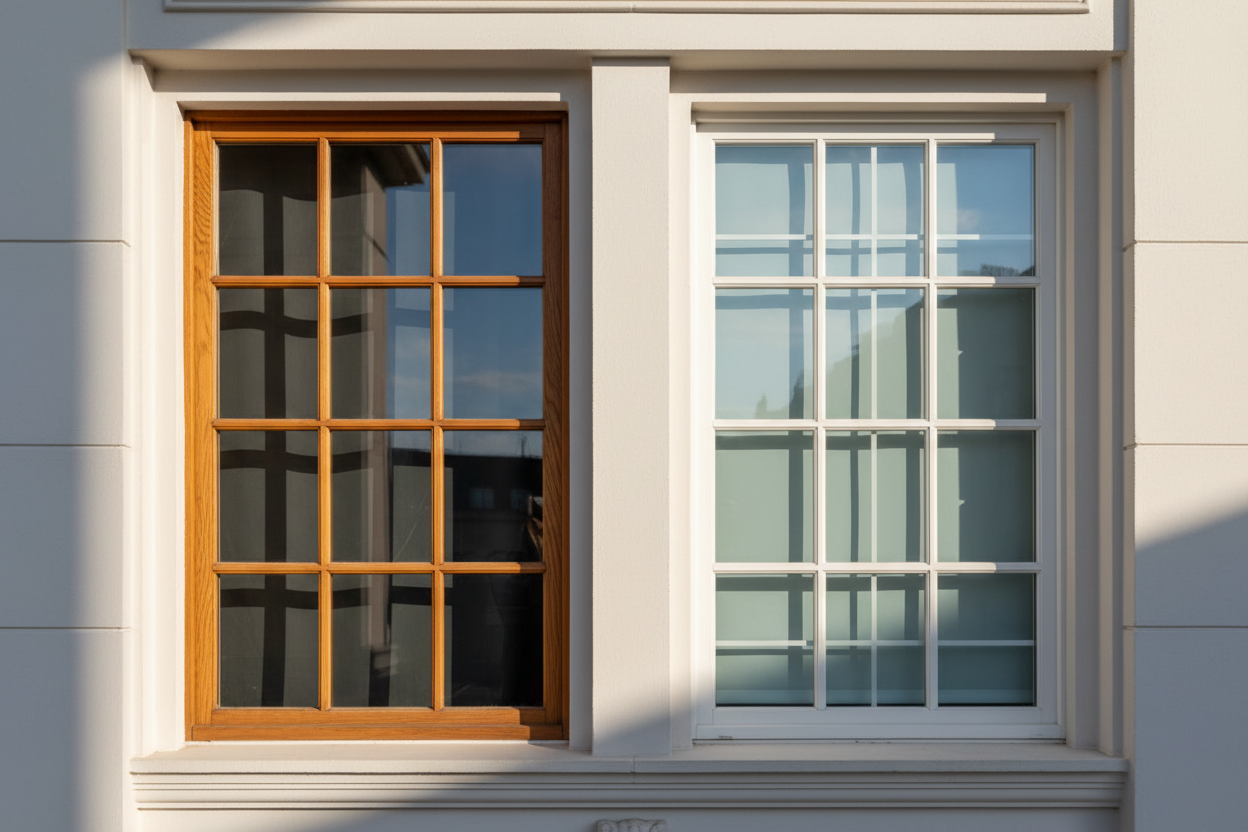
Wood windows offer the most authentic look for most historical styles, providing the slim profiles and detailed craftsmanship that characterized earlier eras. Modern wood windows can incorporate contemporary glazing and weatherstripping while maintaining traditional appearances. However, they require more maintenance and come at a higher cost.
Vinyl windows, while budget-friendly and low-maintenance, often struggle to replicate the refined profiles of historical windows. The thick frames and limited color options can appear out of place on traditional homes, though higher-end vinyl products are improving in this regard.
Fiberglass windows present an interesting middle ground, offering excellent performance characteristics while being capable of mimicking wood grain textures and accepting paint finishes. They can be manufactured with slimmer profiles than vinyl, making them more suitable for traditional applications.
Grid Patterns and Muntin Styles: Details That Define Character
The grid pattern within your windows – created by muntins – is often what gives a home its distinctive character. These seemingly small details carry significant historical and regional significance that shouldn’t be overlooked.
Colonial and Georgian homes traditionally feature small, rectangular panes arranged in geometric patterns like 6-over-6 or 9-over-9 configurations. The muntins in these styles are substantial and create deep shadows that add visual interest and authenticity.
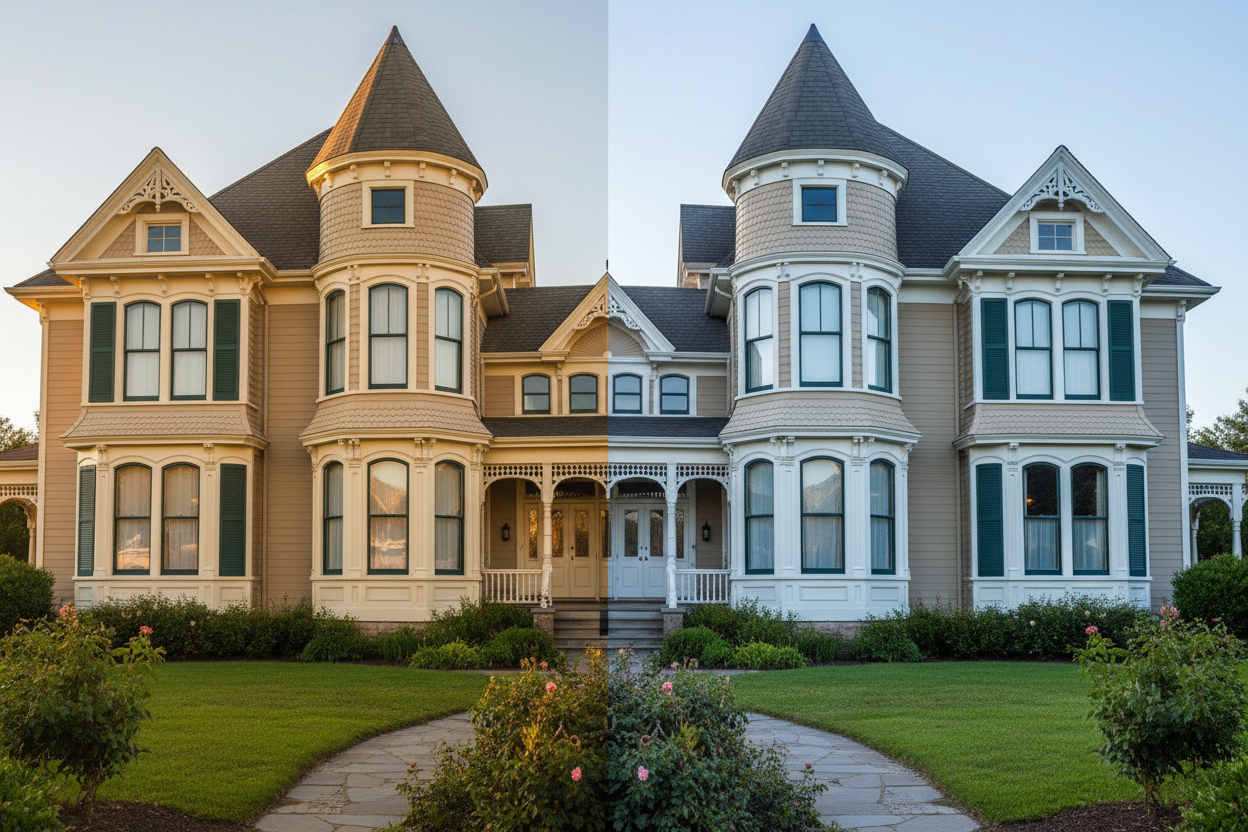
Victorian homes might feature more elaborate patterns, including diamond shapes or curved elements that reflect the era’s love of ornamentation. Craftsman-style homes often incorporate prairie grids with larger panes and horizontal emphasis.
When selecting grid patterns, avoid the temptation to mix different styles within the same facade. Consistency across all visible windows creates a cohesive appearance that strengthens your home’s architectural statement.
Color Coordination and Finish Selection
Window color might seem like a minor consideration, but it plays a crucial role in how well your new windows integrate with existing architecture. The right color can make windows appear to have always been part of the home, while the wrong choice can make them stick out like architectural sore thumbs.
Traditional color palettes varied by region and era, but certain principles remain constant. Darker colors tend to recede visually, making windows appear more integrated with the wall surface. Lighter colors, particularly white and cream, create more contrast and can make windows appear larger and more prominent.
Consider the existing trim color on your home and whether your new windows will match or complement it. Many homeowners choose to paint all trim elements – including window sashes, door frames, and decorative millwork – in the same color to create visual unity.
Hardware and Operational Considerations
The hardware on your windows – handles, locks, hinges, and stays – contributes significantly to their overall appearance and authenticity. Modern hardware often looks out of place on traditional homes, while period-appropriate hardware enhances the historical character.
Research the typical hardware styles for your home’s era and architectural style. Victorian homes might feature ornate brass hardware with decorative elements, while Craftsman homes typically used simpler, more functional designs in darker finishes.
Don’t forget about operational considerations either. While modern tilt-in sashes offer convenience for cleaning, they may not be appropriate for all architectural styles. Double-hung windows with traditional counterweight systems might be more authentic, even if they require slightly more maintenance.
Working with Professionals: When to Seek Expert Help
While some homeowners feel confident tackling window replacement as a DIY project, matching new windows to existing architecture often requires professional expertise. The stakes are simply too high – both financially and aesthetically – to risk getting it wrong.
Look for window contractors who specialize in historical renovations or have experience with your specific architectural style. They should be able to show you examples of similar projects and demonstrate understanding of the unique challenges your home presents.
Architects specializing in renovation work can also be invaluable, particularly for complex projects or homes with significant historical value. They can help you navigate building codes while maintaining architectural integrity and may be required for homes in historic districts.
Common Mistakes to Avoid
Even with the best intentions, homeowners often make mistakes that compromise their home’s architectural integrity. One of the most common errors is prioritizing cost savings over appropriateness, leading to window choices that clash with the home’s style.
Another frequent mistake is mixing window styles or grid patterns within the same facade. While variety might seem interesting, it usually creates a chaotic appearance that undermines the home’s architectural coherence.
Ignoring proportional relationships is equally problematic. Installing windows that are too wide, too narrow, or improperly spaced can throw off the entire composition of a facade, even if the individual windows are attractive.
Budget Considerations and Phased Approaches
Matching new windows to existing architecture doesn’t have to break the bank, but it does require strategic planning. If budget constraints prevent you from replacing all windows at once, consider a phased approach that prioritizes the most visible windows first.
Street-facing windows have the greatest impact on your home’s curb appeal and should receive priority. Windows on secondary facades or less visible elevations might be replaced later or could use less expensive alternatives that still maintain appropriate proportions and basic style elements.
Remember that high-quality, architecturally appropriate windows are an investment that pays dividends in both energy efficiency and property value. Cutting corners on window selection often costs more in the long run through reduced performance and the need for earlier replacement.
Conclusion
The art of matching new windows to existing architecture requires patience, research, and attention to detail, but the results are worth the effort. When done correctly, new windows can enhance your home’s character while providing modern performance benefits that improve comfort and efficiency.
Remember that every architectural style has its own rules and conventions that have evolved over time for good reasons. Respecting these principles while incorporating modern technology creates the best possible outcome – a home that honors its past while embracing the future.
Take time to understand your home’s architectural DNA, work with knowledgeable professionals, and don’t rush the decision-making process. Your home’s windows are too important to get wrong, and with careful planning, you can achieve results that will enhance your property’s beauty and value for decades to come.
Frequently Asked Questions
How do I determine the original window style for my historic home?
Research your home’s construction date and architectural style through local historical societies, building permits, or architectural surveys. Look for physical evidence like old photographs, paint marks, or hardware remnants that might indicate original window configurations.
Can I use modern energy-efficient windows in a historic home?
Yes, many manufacturers now produce energy-efficient windows that maintain traditional appearances. Look for options with slim profiles, appropriate grid patterns, and period-correct hardware while incorporating modern glazing and weatherstripping technologies.
What’s the difference between true divided lights and simulated muntins?
True divided lights use individual pieces of glass separated by actual wooden or metal muntins, creating authentic depth and shadow lines. Simulated muntins are grids applied to single panes of glass and may include spacer bars between glass layers for a more authentic appearance.
How important is it to match existing window trim?
Matching or complementing existing trim is crucial for architectural cohesion. The trim style, width, and profile should be consistent across all windows on the same facade to maintain the home’s visual integrity.
Should I replace all windows at once or can I do it gradually?
While replacing all windows at once ensures consistency, a phased approach is acceptable if you maintain the same specifications for each phase. Prioritize street-facing windows first, as they have the greatest impact on your home’s appearance.








Window replacement near me in Lowry Crossing Texas

















How much does it cost for vinyl replacement windows Euless Texas



Affordable replacement windows North Richland Hills Texas




Energy-efficient vinyl windows Mobile City Texas









Energy-efficient vinyl windows Lakewood Dallas Texas