
Climate Considerations: Choosing Windows for Extreme Weather
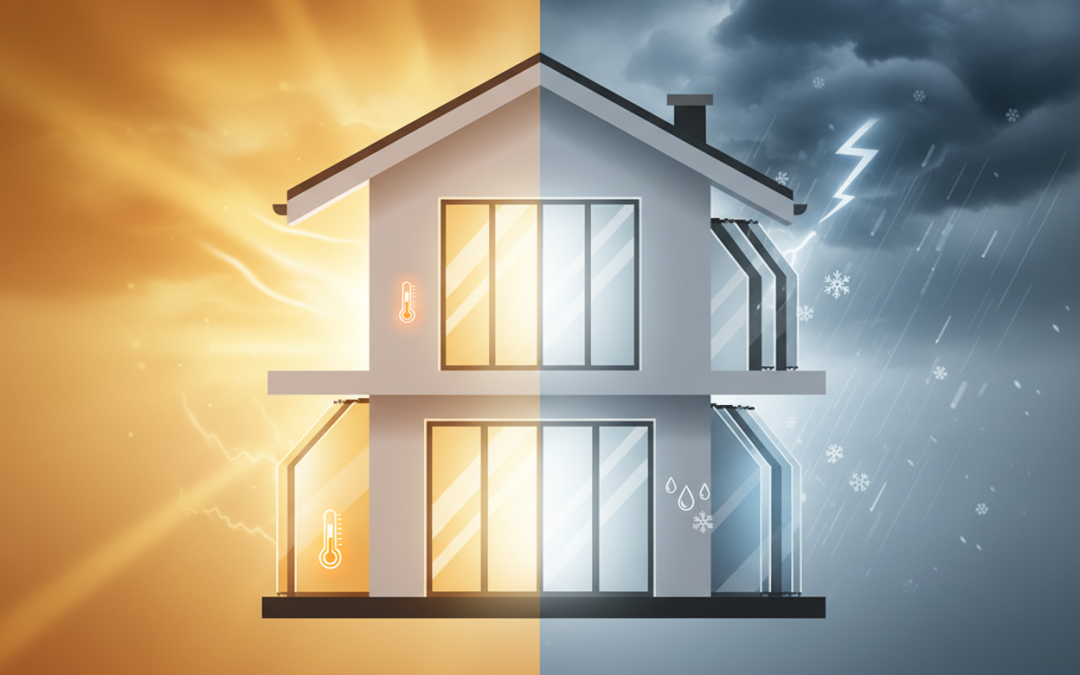
When Mother Nature decides to throw her worst at your home, your windows become the first line of defense. Whether you’re battling hurricane-force winds, enduring scorching desert heat, or weathering bone-chilling winters, the right windows can mean the difference between comfort and catastrophe. As someone who’s helped countless homeowners navigate these challenging decisions, I’ve seen firsthand how the wrong window choice can turn a minor storm into a major headache.
Selecting windows for extreme weather isn’t just about aesthetics or energy efficiency – it’s about protecting your family, your belongings, and your investment. The window that works perfectly in mild climates might fail spectacularly when faced with nature’s extremes. Let’s explore how to choose windows that won’t just survive but thrive in whatever climate challenges your region throws at them.
Understanding Your Local Climate Challenges
Before diving into specific window types, you need to honestly assess what your home faces throughout the year. Climate considerations go far beyond simply knowing whether you live in a hot or cold region. Your local weather patterns, seasonal variations, and extreme events all play crucial roles in determining the best window solutions.
Take hurricane-prone areas, for instance. These regions don’t just deal with high winds – they face flying debris, torrential rain, and dramatic pressure changes. Meanwhile, homes in tornado alley must consider similar wind resistance but might also need quick egress options for safety. Desert climates present their own unique challenges, with extreme temperature swings between scorching days and surprisingly cool nights.
Northern climates bring heavy snow loads, ice formation, and months of sub-freezing temperatures. But it’s not just about the cold – these areas often experience rapid freeze-thaw cycles that can wreak havoc on poorly chosen windows. Understanding these nuances helps you make informed decisions that will serve you well for decades to come.
Hurricane and High-Wind Resistant Windows
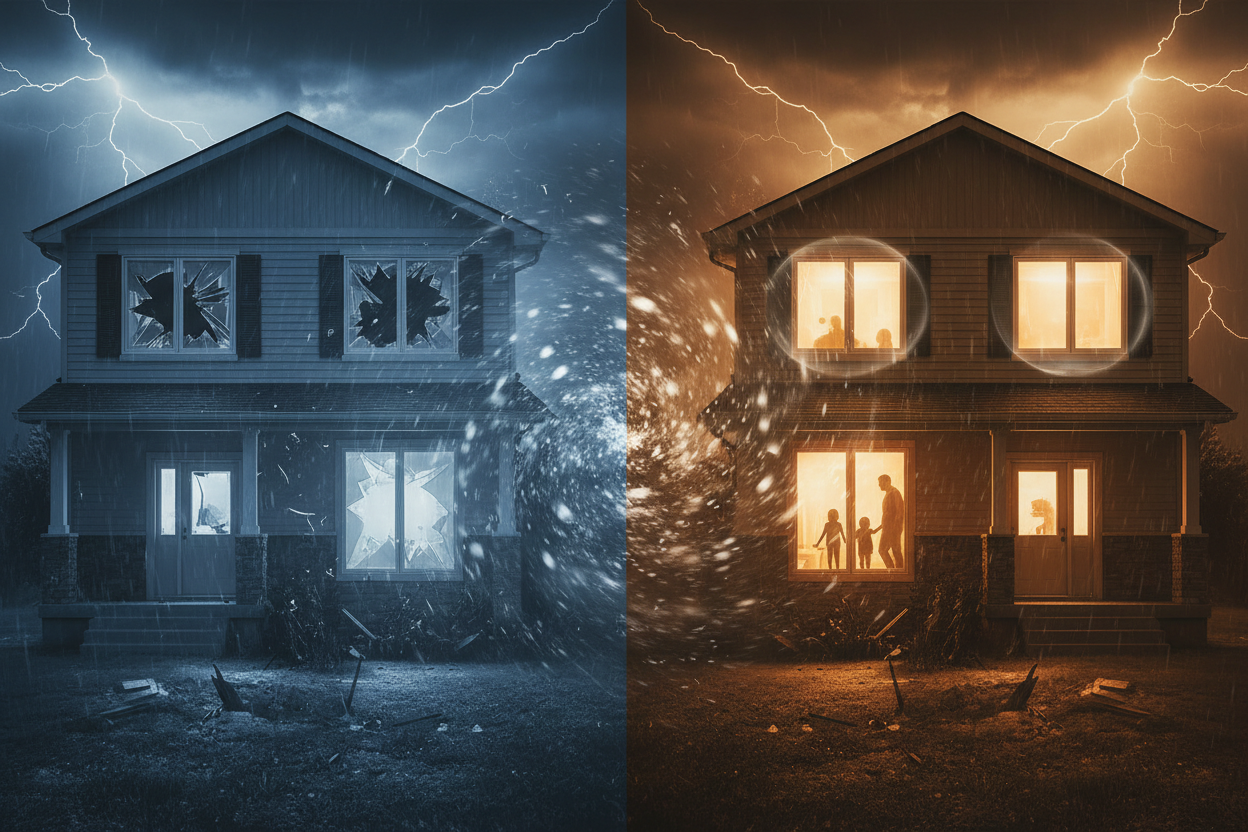
If you live in hurricane territory, your windows need to be warriors. Impact-resistant windows have become the gold standard for coastal homes, and for good reason. These specially designed windows feature laminated glass that holds together even when shattered, preventing dangerous shards from becoming projectiles inside your home.
The secret lies in the construction. Impact windows use two pieces of glass bonded with a tough plastic interlayer, similar to automotive windshields. When struck by debris, the glass may crack, but it stays in place, maintaining the window’s integrity and your home’s protection. The frames are equally important – they must be reinforced to handle the tremendous forces generated by hurricane-strength winds.
But impact resistance isn’t just about surviving the big storms. These windows also provide excellent security against break-ins, reduce noise pollution, and offer superior UV protection. Many homeowners are surprised to discover that their insurance companies offer significant discounts for installing impact-resistant windows, often making them more affordable than initially expected.
When shopping for hurricane windows, look for products that meet or exceed local building codes. In Florida, for example, windows must pass the Large Missile Impact Test, which involves firing a 9-pound 2×4 at the window at 50 feet per second. That’s the kind of protection you want when facing nature’s fury.
Windows for Extreme Heat and Desert Climates
Desert living presents unique challenges that many people underestimate. Yes, the heat is intense, but it’s the combination of scorching temperatures, intense UV radiation, and dramatic temperature swings that really tests window performance. I’ve worked with homeowners in Phoenix and Las Vegas who were shocked by their energy bills until they upgraded to climate-appropriate windows.
Low-E (low-emissivity) coatings are absolutely essential in hot climates. These microscopic metallic layers reflect infrared radiation while allowing visible light to pass through. The result? Your home stays cooler without blocking natural light. But not all Low-E coatings are created equal – in hot climates, you want coatings that prioritize solar heat gain reduction over insulation.
Double or triple-pane windows with argon or krypton gas fills provide additional insulation against heat transfer. The gas between the panes acts as an insulator, reducing the amount of heat that penetrates your home. Some high-performance windows also feature spectrally selective glazing that blocks heat while maintaining excellent visibility.
Frame material matters tremendously in hot climates. Vinyl frames can warp and discolor under intense UV exposure, while aluminum frames can become uncomfortably hot to touch. Fiberglass frames offer excellent dimensional stability and don’t conduct heat like metal, making them ideal for desert conditions. Some manufacturers now offer frames with special UV-resistant formulations designed specifically for extreme sun exposure.
Cold Climate Window Solutions
Northern homeowners face their own set of challenges, and I’ve seen too many people underestimate the importance of proper window selection for cold climates. It’s not just about keeping warm air in – it’s about preventing condensation, ice dams, and the structural problems that can result from poor thermal performance.
Triple-pane windows are becoming the standard in cold climates, and for good reason. That extra pane of glass, combined with two insulating spaces, dramatically improves thermal performance. The inner glass surface stays warmer, reducing condensation and improving comfort near windows. Many homeowners are amazed at how much more comfortable their homes feel after upgrading from double to triple-pane windows.
Warm-edge spacers are crucial but often overlooked components. Traditional aluminum spacers create thermal bridges that allow heat to escape and cold to penetrate. Modern warm-edge spacers use materials like stainless steel or composite materials that dramatically reduce heat transfer around the window perimeter.
Gas fills become even more important in cold climates. Argon gas is standard, but krypton offers superior insulating properties, though at a higher cost. Some manufacturers now offer gas mixtures that optimize performance for specific climate zones. The key is maintaining proper gas retention – look for windows with excellent sealing systems that prevent gas leakage over time.
Multi-Climate Considerations for Varied Seasonal Extremes
Many regions experience dramatic seasonal variations that require windows capable of handling multiple extreme conditions. The Midwest, for example, can see temperatures ranging from -20°F in winter to over 100°F in summer, often with severe storms throughout the year. These areas require windows that are true all-season performers.
Adaptive glazing technologies are emerging as solutions for these challenging climates. Some windows now feature electrochromic glass that can change its tint based on conditions, providing maximum solar heat gain in winter and minimum gain in summer. While still expensive, these technologies are becoming more accessible and offer unprecedented climate adaptability.
For most homeowners in variable climates, the key is finding windows with balanced performance characteristics. You want good insulation for winter, solar heat gain control for summer, and durability for storms. This often means accepting some compromises, but modern high-performance windows are remarkably capable of handling diverse conditions.
Frame expansion and contraction become critical considerations in climates with large temperature swings. Materials that can handle these cycles without losing their seal or structural integrity are essential. Fiberglass and high-quality vinyl formulations typically perform best in these demanding conditions.
Material Selection for Extreme Weather Durability
The window frame material you choose can make or break your extreme weather performance. Each material has its strengths and weaknesses, and understanding these characteristics is crucial for making the right choice for your specific climate challenges.
Vinyl windows have come a long way from their early days. Modern vinyl formulations include UV stabilizers and impact modifiers that help them withstand extreme conditions. However, they can still become brittle in extremely cold temperatures and may warp in intense heat. Quality varies significantly among manufacturers, so research is essential.
Aluminum windows offer excellent strength and durability but conduct heat and cold readily. In extreme climates, thermal breaks become essential to prevent condensation and improve energy efficiency. Aluminum is particularly popular in hurricane zones due to its strength, but proper thermal design is crucial for year-round comfort.
Fiberglass frames represent the premium option for extreme weather conditions. They expand and contract at nearly the same rate as glass, reducing seal stress. They don’t rot, warp, or corrode, and they maintain their structural integrity across a wide temperature range. While more expensive initially, their longevity often makes them cost-effective over time.
Wood frames, while beautiful, require careful consideration in extreme climates. Clad wood windows, with aluminum or vinyl exteriors, can offer the best of both worlds – interior beauty with exterior durability. However, even clad windows require regular maintenance to perform well in harsh conditions.
Installation and Maintenance for Extreme Weather Performance
Even the best windows will fail if improperly installed or maintained. Extreme weather amplifies installation flaws, turning minor issues into major problems. I’ve seen expensive, high-performance windows fail catastrophically due to poor installation practices.
Proper flashing and sealing are absolutely critical in extreme weather zones. Water infiltration during storms can cause immediate damage and long-term structural problems. The installation team must understand local weather patterns and building codes specific to your area. In hurricane zones, for example, windows must be anchored to the structural frame according to specific engineering requirements.
Regular maintenance becomes even more important in extreme climates. Desert environments require frequent cleaning of Low-E coatings to maintain their effectiveness. Cold climates demand attention to weatherstripping and seals that can become brittle over time. Hurricane-prone areas need regular inspection of impact-resistant features and frame integrity.
Seasonal maintenance routines should be established based on your specific climate challenges. This might include cleaning drainage systems before storm season, checking seals before winter, or inspecting for UV damage in high-sun areas. A proactive approach to maintenance can extend window life significantly and maintain peak performance when you need it most.
Conclusion
Choosing windows for extreme weather isn’t a decision to take lightly. The right windows will protect your home, reduce energy costs, and provide decades of reliable performance. The wrong choice can lead to costly repairs, uncomfortable living conditions, and even safety hazards during severe weather events.
Remember that extreme weather window selection is highly location-specific. What works perfectly in one climate may be completely inappropriate for another. Take time to understand your local conditions, research appropriate technologies, and work with experienced professionals who understand your regional challenges.
While high-performance windows for extreme weather often require a larger initial investment, they typically pay for themselves through energy savings, reduced maintenance costs, and insurance discounts. More importantly, they provide peace of mind knowing your home is prepared for whatever nature decides to send your way.
The climate is becoming increasingly unpredictable, with extreme weather events becoming more frequent and severe. Investing in appropriate windows now is not just about current conditions – it’s about preparing your home for the future. Your windows are a long-term investment in your family’s comfort, safety, and financial security.
Frequently Asked Questions
How do I know if I need impact-resistant windows?
If you live in a hurricane-prone area or region with frequent severe storms, impact-resistant windows are highly recommended. Check your local building codes, as many coastal areas now require them for new construction and major renovations. Your insurance company may also provide guidance and potential discounts for installing these windows.
What’s the difference between double-pane and triple-pane windows in extreme climates?
Triple-pane windows provide superior insulation and are particularly beneficial in cold climates where condensation and heat loss are major concerns. In hot climates, the additional pane can provide extra protection against solar heat gain. However, triple-pane windows are more expensive and heavier, requiring stronger frames and hardware.
Can I upgrade my existing windows for better extreme weather performance?
While some upgrades are possible, such as adding storm windows or applying window films, most extreme weather improvements require full window replacement. The frame, glass, and sealing systems all work together to provide extreme weather protection, making partial upgrades less effective.
How long do extreme weather windows typically last?
High-quality windows designed for extreme weather can last 20-30 years or more with proper maintenance. However, this varies significantly based on the specific climate challenges, window quality, installation quality, and maintenance practices. Impact-resistant windows may need inspection and potential replacement sooner if they’ve sustained damage during storms.
Are there financing options available for extreme weather window upgrades?
Many manufacturers and contractors offer financing options for window replacements. Additionally, some utility companies provide rebates for energy-efficient windows, and insurance companies may offer discounts that help offset costs. In some areas, special financing programs exist for storm-resistant home improvements.



Affordable home window replacement Red Oak Texas




How much does it cost for vinyl replacement windows Tioga Texas







How much does it cost for vinyl replacement windows Desoto Texas
























How much does it cost for vinyl replacement windows Lakewood Dallas Texas



Energy-efficient vinyl windows Westminster Texas




Little Elm TX Replacement Siding Installation Services

Carrollton TX Cost Of Vinyl Siding Replacement














Preston Hollow Dallas TX Replacement House Siding