
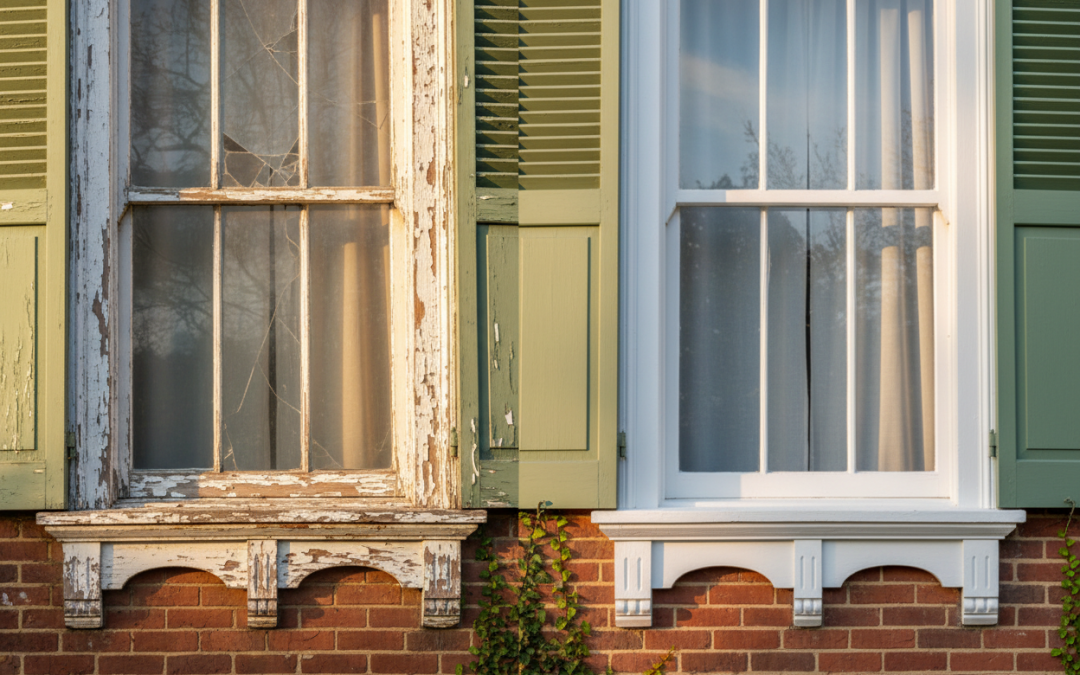
Historic Home Window Replacement: Preserving Character While Upgrading
There’s something magical about walking into a historic home – the creaking floorboards that tell stories of generations past, the ornate moldings that showcase craftsmanship from bygone eras, and those beautiful old windows that have watched over neighborhoods for decades, sometimes even centuries. But here’s the thing: those charming windows that add so much character to your historic home might also be letting in drafts, driving up your energy bills, and causing you endless maintenance headaches.
If you’re a proud owner of a historic property, you’ve probably found yourself caught in that familiar dilemma. You want to preserve the authentic charm that drew you to the house in the first place, but you also want the comfort and efficiency that modern windows can provide. The good news? You don’t have to choose between character and comfort. With the right approach to historic home window replacement, you can have both.
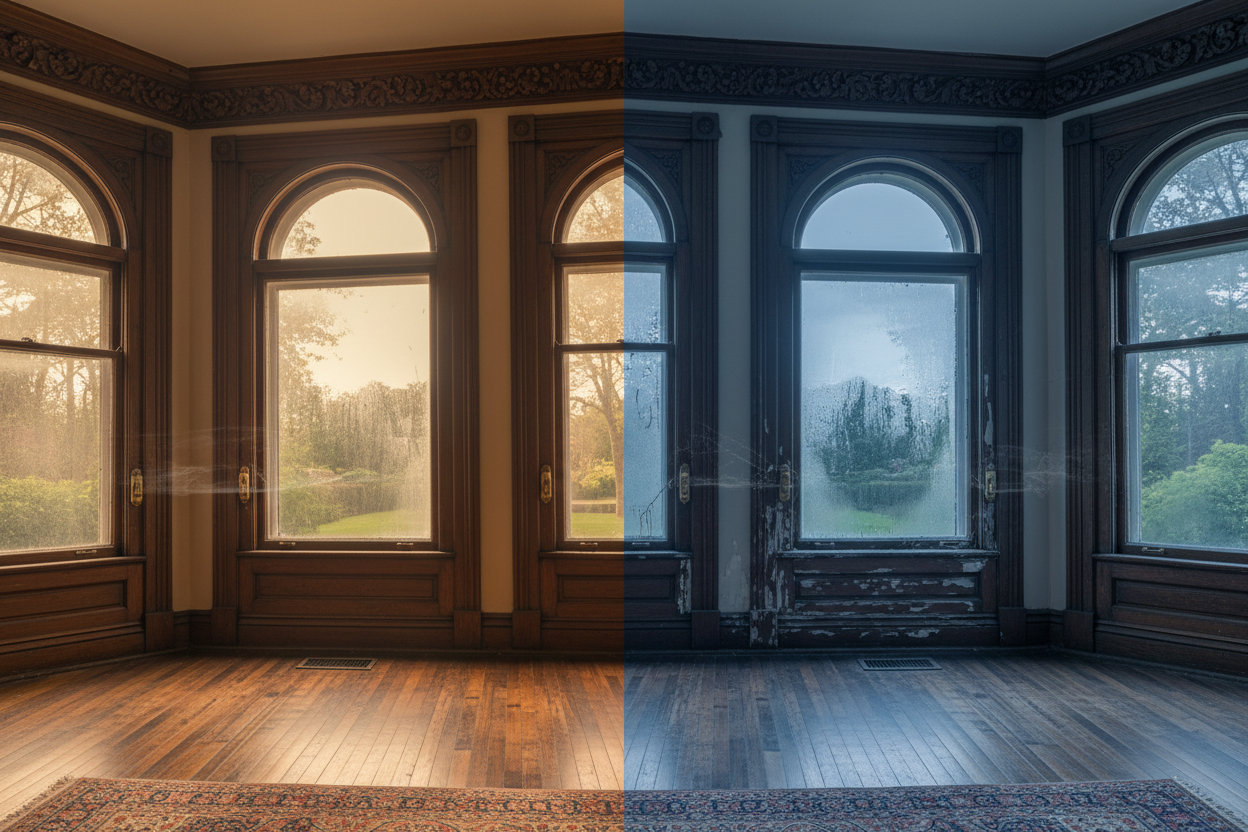
Understanding the Unique Challenges of Historic Windows
Before diving into replacement options, it’s crucial to understand what makes historic windows special – and challenging. These windows weren’t just functional elements; they were architectural statements that reflected the design trends and craftsmanship standards of their time.
Historic windows often feature unique proportions, distinctive glazing patterns, and specialized hardware that you simply can’t find at your local home improvement store. They might have wavy glass that creates those charming light distortions, or hand-forged hardware that’s both beautiful and irreplaceable. The window frames themselves might be made from old-growth wood that’s incredibly dense and durable, but also prone to specific types of deterioration after decades of exposure to the elements.
The challenge isn’t just aesthetic, either. Many historic homes are located in designated historic districts or are listed on the National Register of Historic Places, which means any exterior changes need to meet specific preservation guidelines. What seems like a straightforward window replacement project can quickly become a complex navigation of local regulations, preservation standards, and architectural review boards.
Assessing Your Current Windows: Restoration vs. Replacement
Not every historic window needs to be replaced. In fact, preservation experts often recommend restoration as the first option, especially for windows that are structurally sound but just need some attention. The key is conducting a thorough assessment to determine whether your windows are good candidates for restoration or if replacement is the more practical choice.
Start by examining the window sashes and frames carefully. Look for signs of rot, particularly at the sill and where the frame meets the wall. Check if the sashes operate smoothly or if they’re painted shut. Test the glazing compound – if it’s cracked and pulling away from the glass, that’s a maintenance issue, not necessarily grounds for replacement.
Consider the overall condition of the glass as well. Original wavy glass adds tremendous character and can often be preserved even if the frame needs work. However, if you’re dealing with single-pane windows in a climate with extreme temperatures, you might find that even restored windows don’t provide adequate insulation for modern comfort standards.
The decision often comes down to cost-effectiveness and your long-term goals. Restoration can be incredibly rewarding and is often the most historically appropriate choice, but it requires ongoing maintenance and may not deliver the energy efficiency improvements you’re seeking. Replacement, when done thoughtfully, can provide modern performance while maintaining historic character.
Navigating Historic Preservation Guidelines and Regulations
If your home is located in a historic district or is individually listed on historic registers, you’ll need to work within specific guidelines for any exterior modifications. These regulations exist to preserve the architectural integrity of historic neighborhoods, but they don’t have to be roadblocks to improving your home’s functionality.
Start by contacting your local historic preservation office or architectural review board. They can provide you with specific guidelines for your area and help you understand what documentation you’ll need for approval. Many preservation offices have staff who are surprisingly helpful and want to work with homeowners to find solutions that meet both preservation standards and practical needs.
The key to navigating these requirements successfully is demonstrating that your proposed changes will preserve the historic character of your home. This means paying attention to details like window proportions, glazing patterns, frame profiles, and hardware styles. You’ll likely need to provide detailed drawings or specifications showing how your replacement windows will match the original design.
Don’t be discouraged if the approval process seems lengthy or complex. Many homeowners find that working within preservation guidelines actually leads to better results, as it forces them to really think about what makes their windows special and how to preserve those qualities in any replacement.
Modern Window Technologies for Historic Homes
The window industry has come a long way in developing products that can deliver modern performance while respecting historic aesthetics. Today’s manufacturers offer options that would have been impossible just a few decades ago, allowing you to upgrade functionality without sacrificing character.
Insulated glass units can now be made thin enough to fit into historic sash profiles, providing significant energy efficiency improvements without changing the window’s appearance. Low-E coatings can be applied to glass in ways that are virtually invisible, reducing heat transfer while maintaining the clarity and light transmission of traditional windows.
For homes where energy efficiency is a top priority, triple-pane glass is becoming more feasible for historic applications. While it does require slightly thicker sash profiles, skilled manufacturers can often accommodate this while maintaining appropriate proportions and sight lines.
Window frame materials have also evolved significantly. While wood remains the most historically appropriate choice for most applications, modern wood windows feature improved joinery techniques, better weather sealing, and protective coatings that dramatically extend their lifespan. For situations where maintenance is a concern, some manufacturers offer composite materials that closely mimic the appearance of wood while providing superior durability.
Choosing the Right Replacement Windows for Your Historic Property
Selecting replacement windows for a historic home requires balancing multiple factors: historical accuracy, energy efficiency, maintenance requirements, and budget considerations. The process starts with understanding your home’s architectural style and the specific window characteristics that define that style.
Pay close attention to proportions first and foremost. Historic windows typically have specific height-to-width ratios that contribute to the overall architectural harmony of the building. The muntins – those dividing bars between glass panes – should match the original pattern and profile. Even small deviations in these details can significantly impact your home’s authentic appearance.
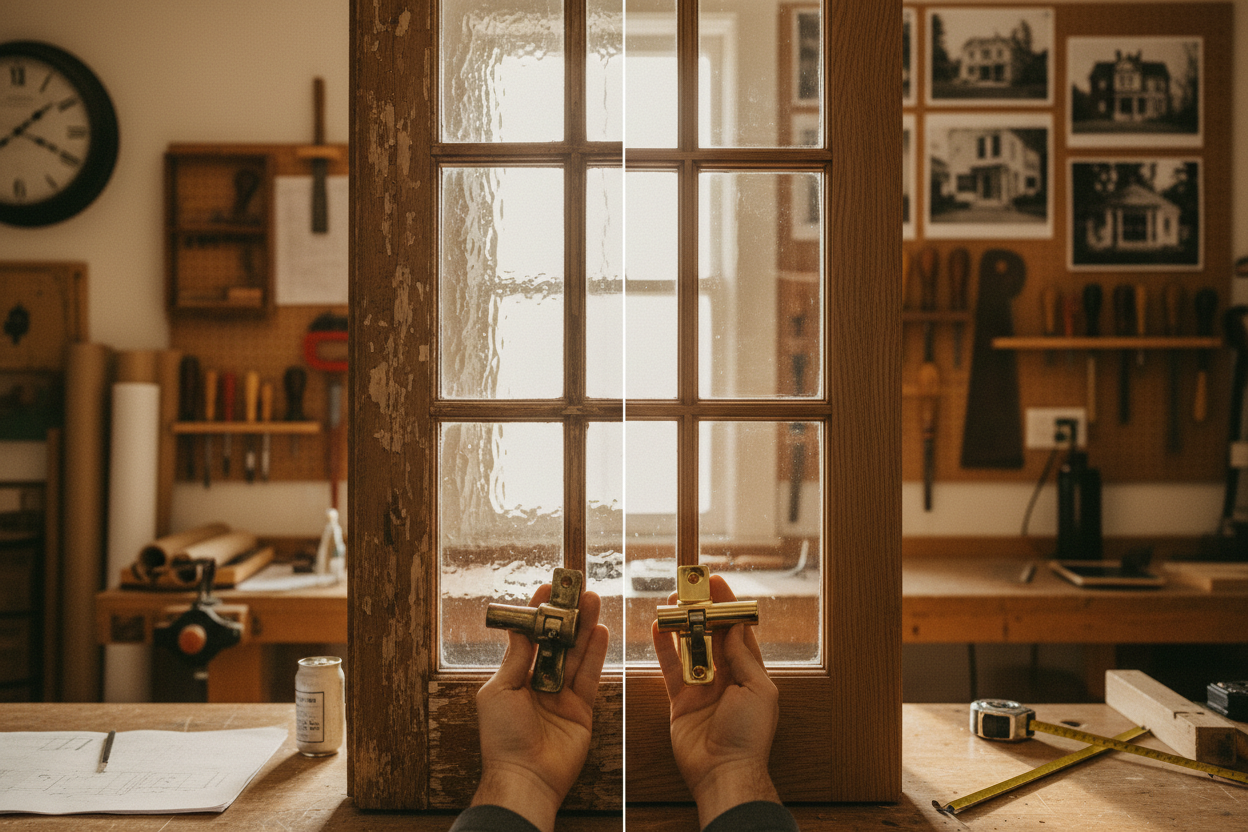
Hardware selection is equally important but often overlooked. Historic windows featured specific types of locks, handles, and operating mechanisms that were both functional and decorative. Modern reproductions of historic hardware are widely available and can add authenticity to replacement windows while providing improved security and operation.
Consider the glazing carefully as well. While modern clear glass provides excellent visibility and light transmission, it can look stark compared to the subtle character of old glass. Some manufacturers offer textured or slightly tinted glass options that better approximate the appearance of historic glazing while still meeting modern performance standards.
Working with Specialists: Finding the Right Contractors and Manufacturers
Historic window replacement isn’t a job for just any contractor. You need professionals who understand both the technical requirements of modern window installation and the preservation principles that guide historic renovation work. The right team can make the difference between a project that enhances your home’s value and character and one that detracts from its historic integrity.
Start by looking for contractors who specialize in historic renovation or have specific experience with period properties. Ask to see examples of their previous work, and don’t hesitate to contact past clients for references. A contractor who’s comfortable working with preservation guidelines and architectural review boards will save you time and potential headaches throughout the project.
When it comes to manufacturers, several companies specialize in windows for historic applications. These manufacturers understand the unique requirements of period properties and can often custom-manufacture windows to match original specifications. While custom work typically costs more than standard replacement windows, the investment is often worthwhile for maintaining your home’s authentic character and potentially its resale value.
Don’t forget to involve your local preservation office in the selection process. Many preservation professionals have experience with different manufacturers and can recommend companies that consistently produce quality work that meets preservation standards.
Budgeting and Timeline Considerations
Historic window replacement projects typically require more time and investment than standard window replacements, but understanding the factors that influence cost and timeline can help you plan effectively. Custom manufacturing, specialized installation techniques, and regulatory approval processes all contribute to longer lead times and higher costs, but they’re essential for achieving quality results.
Expect custom historic windows to cost significantly more than standard replacement windows – often two to three times as much. However, this investment often pays dividends in terms of your home’s value, energy efficiency, and your own satisfaction with the results. Many homeowners find that the improved comfort and reduced maintenance requirements offset the higher initial cost over time.
Timeline-wise, plan for several months from initial planning to project completion. Custom window manufacturing alone can take 8-12 weeks, and that’s after you’ve finalized designs and received any necessary approvals. Weather considerations can also affect installation schedules, particularly for larger projects that leave your home exposed during the work.
Consider phasing the project if budget or timeline constraints are concerns. Many homeowners successfully replace windows room by room or elevation by elevation, spreading the cost and disruption over multiple seasons while still achieving their long-term goals.
Maintaining Your Investment: Long-term Care for Historic Replacement Windows
Once you’ve invested in quality replacement windows for your historic home, proper maintenance becomes crucial for protecting that investment and ensuring years of reliable performance. The good news is that modern historic replacement windows typically require less maintenance than original windows while still providing authentic character.
Establish a regular maintenance routine that includes cleaning, lubricating hardware, checking weather sealing, and inspecting for any signs of deterioration. Wood windows benefit from periodic refinishing, but modern protective coatings and improved construction techniques mean this maintenance cycle is typically much longer than with original windows.
Pay particular attention to the interface between your new windows and the existing building envelope. Proper installation should include appropriate flashing and sealing, but these elements require periodic inspection and maintenance to prevent water infiltration and energy loss.
Keep documentation of your window specifications, installation details, and any warranties. This information will be valuable for future maintenance, potential repairs, and if you ever need to replace individual components or add matching windows to other parts of your home.
Conclusion: Embracing the Best of Both Worlds
Replacing windows in a historic home doesn’t mean abandoning its character or compromising its architectural integrity. With careful planning, appropriate product selection, and skilled installation, you can enjoy the comfort and efficiency of modern windows while preserving the charm and authenticity that make historic homes so special.
The key is approaching the project with respect for your home’s history while being realistic about your modern needs and expectations. Take time to understand what makes your windows historically significant, work with professionals who share your commitment to preservation, and don’t rush the process. The result will be windows that serve your home well for decades to come while maintaining the character that drew you to historic property ownership in the first place.
Remember, every historic home is unique, and what works for one property may not be appropriate for another. Trust the process, lean on the expertise of preservation professionals and experienced contractors, and take pride in contributing to the ongoing story of your historic home. Your thoughtful approach to window replacement becomes part of the home’s history, ensuring that future generations can continue to appreciate both its historic character and modern functionality.
Frequently Asked Questions
Q: How much more expensive are historic replacement windows compared to standard windows?
A: Historic replacement windows typically cost 2-3 times more than standard windows due to custom manufacturing, specialized materials, and detailed craftsmanship required to match original designs. However, this investment often pays off through improved home value, energy efficiency, and authentic character preservation.
Q: Do I need special permits to replace windows in a historic home?
A: If your home is in a designated historic district or listed on historic registers, you’ll likely need approval from your local architectural review board or historic preservation office before replacing windows. Contact these offices early in your planning process to understand specific requirements.
Q: Can I improve energy efficiency while maintaining historic character?
A: Absolutely. Modern historic replacement windows can incorporate insulated glass, low-E coatings, and improved weather sealing while maintaining authentic proportions, profiles, and glazing patterns. These technologies can significantly improve energy performance without compromising historic appearance.
Q: Should I restore my original windows or replace them?
A: This depends on their condition, your budget, and your performance goals. If original windows are structurally sound, restoration may be the most historically appropriate choice. However, if they’re severely deteriorated or you need significant energy efficiency improvements, thoughtful replacement might be more practical.
Q: How long does a historic window replacement project typically take?
A: Plan for several months from start to finish. Custom window manufacturing alone takes 8-12 weeks, plus time for design development, regulatory approvals, and installation. Weather and project complexity can also affect timelines.
Q: What’s the most important factor in choosing replacement windows for a historic home?
A: Maintaining authentic proportions and architectural details is crucial. Window height-to-width ratios, muntin patterns, frame profiles, and hardware styles should all match or closely approximate the original design to preserve your home’s historic character.


Affordable replacement windows Gainesville Texas

















Affordable home window replacement Duncanville Texas







How much does it cost for vinyl replacement windows Denton Texas






How much does it cost for vinyl replacement windows Terrell Texas




Home window replacement near me Farmersville Texas

Energy-efficient vinyl windows Lowry Crossing Texas



How much does it cost for vinyl replacement windows Trenton Texas




How much does it cost for vinyl replacement windows Cedar Hill Texas







Caddo Mills TX Estimate For Siding Replacement


Lake Highlands Dallas TX Window And Siding Replacement