

The Complete Cost Breakdown of Whole-Home Siding Replacement
Planning a whole-home siding replacement can feel overwhelming, especially when you’re trying to wrap your head around the costs involved. Trust me, I’ve been there – staring at estimates that seem to vary wildly from contractor to contractor, wondering if you’re getting a fair deal or being taken for a ride. The truth is, siding replacement costs depend on numerous factors, and understanding these variables can save you thousands of dollars and countless headaches.
Whether your current siding is showing its age, you’re dealing with damage from recent storms, or you simply want to boost your home’s curb appeal and energy efficiency, this comprehensive guide will walk you through every aspect of siding replacement costs. By the end of this post, you’ll have the knowledge to budget accurately and make informed decisions about your home improvement project.
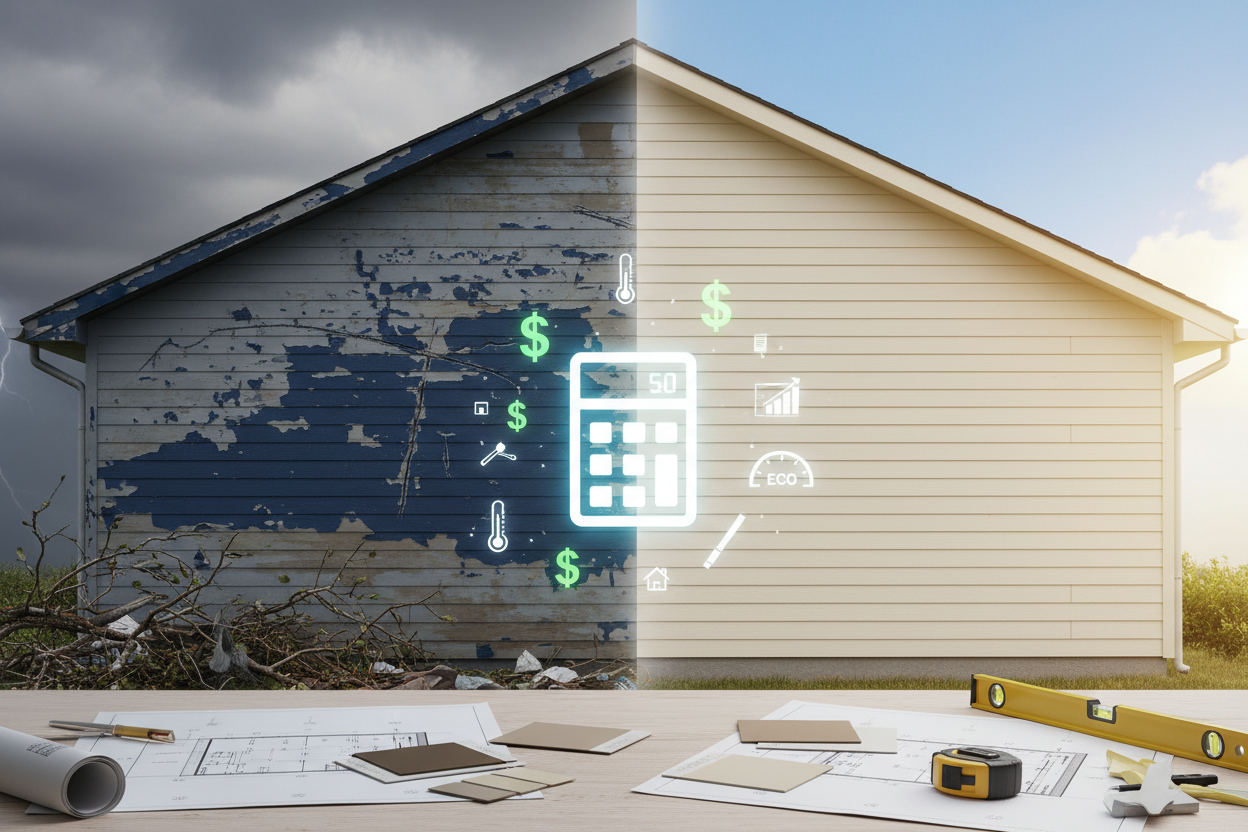
Average Siding Replacement Costs by Material Type
The material you choose for your new siding will be the biggest factor in determining your overall project cost. Each option comes with its own price point, maintenance requirements, and longevity expectations.
Vinyl siding remains the most popular choice among homeowners, and for good reason. You’re looking at approximately $3 to $8 per square foot for materials, with installation bringing the total to $6 to $12 per square foot. For an average 2,000 square foot home, this translates to roughly $12,000 to $24,000 for the entire project.
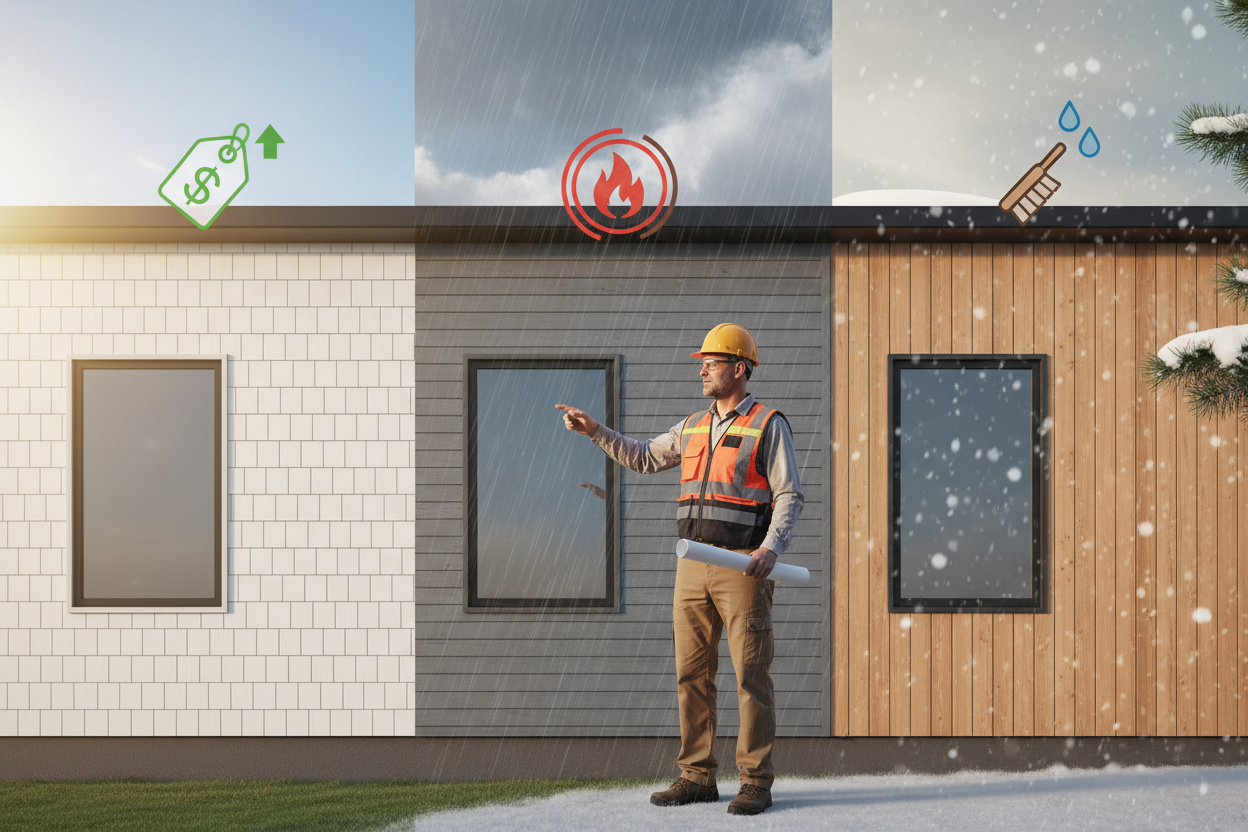
Fiber cement siding sits in the mid-range category, offering excellent durability and fire resistance. Material costs typically run $5 to $10 per square foot, with total installed costs ranging from $8 to $15 per square foot. This means you’re looking at $16,000 to $30,000 for that same 2,000 square foot home.
Wood siding brings natural beauty but comes with a higher price tag and maintenance requirements. Expect to pay $6 to $12 per square foot for materials, with installation costs pushing the total to $10 to $20 per square foot. Your total investment could range from $20,000 to $40,000.
At the premium end, you’ll find options like natural stone, brick veneer, or metal siding. These materials can cost anywhere from $15 to $30 per square foot installed, potentially bringing your total project cost to $30,000 to $60,000 or more.
Labor Costs and Installation Factors
Labor typically accounts for 50% to 70% of your total siding replacement cost, making it crucial to understand what drives these expenses. Professional installation isn’t just about nailing boards to your house – it requires skill, experience, and attention to detail that protects your investment for decades to come.
Most contractors charge between $3 to $8 per square foot for labor, depending on your location and the complexity of your project. Urban areas with higher costs of living will naturally see higher labor rates, while rural locations might offer more competitive pricing.
The complexity of your home’s architecture significantly impacts labor costs. A simple ranch-style home with minimal architectural features will cost less to side than a Victorian with multiple gables, dormers, and intricate trim work. Each corner, window, and architectural detail requires additional cutting, measuring, and fitting time.
Accessibility also plays a major role in labor costs. Single-story homes are generally less expensive to side than multi-story homes that require scaffolding or specialized equipment. If your home sits on a steep slope or has landscaping that makes access difficult, expect to pay premium rates for the additional safety measures and equipment required.
Hidden Costs You Need to Consider
Here’s where many homeowners get caught off guard – the additional expenses that aren’t always clearly outlined in initial estimates. These “hidden” costs can add thousands to your project budget if you’re not prepared.
Removal and disposal of existing siding is often treated as a separate line item. Depending on the material being removed and local disposal fees, this can add $1 to $3 per square foot to your project. If your existing siding contains asbestos or lead paint, specialized removal procedures can significantly increase these costs.
Sheathing repair or replacement is another common surprise expense. Once contractors remove your old siding, they might discover water damage, rot, or inadequate sheathing that needs attention. Budget an additional $2 to $4 per square foot for sheathing work, though the actual amount will depend on the extent of any damage discovered.
Permit fees vary by location but typically range from $100 to $500 for residential siding projects. Some municipalities require detailed plans and inspections, while others have more streamlined processes. Check with your local building department early in the planning process.
Trim and finishing work often costs more than homeowners anticipate. New siding usually requires new trim around windows, doors, and corners. Quality trim work can add $3 to $8 per linear foot, and a typical home might need 200 to 400 linear feet of trim.
Regional Price Variations
Where you live dramatically impacts your siding replacement costs. Material availability, local labor rates, and regional building codes all contribute to price variations that can swing your total project cost by 20% to 40%.
Coastal areas typically see higher costs due to stricter building codes designed to withstand severe weather. Hurricane-prone regions might require impact-resistant materials or additional fastening requirements that increase both material and labor costs.
Northern climates often have higher installation costs during winter months, but you might find better deals during off-season periods when contractors are looking for work. Conversely, areas with year-round mild weather might have more consistent pricing but also more competition for contractor availability.
Urban versus rural pricing differences can be substantial. Major metropolitan areas might see costs 25% to 50% higher than rural locations, but they also typically offer more contractor options and material availability.
Ways to Save Money on Siding Replacement
Smart homeowners can significantly reduce their siding replacement costs without compromising quality. The key is knowing where to cut costs and where to invest for long-term value.
Timing your project strategically can yield substantial savings. Many contractors offer better rates during their slower seasons – typically late fall through early spring in most regions. You might save 10% to 20% by scheduling your project during these off-peak periods.
Getting multiple quotes is essential, but don’t automatically choose the lowest bidder. Look for contractors who provide detailed, itemized estimates and have strong local references. A slightly higher upfront cost often translates to better workmanship and fewer future problems.
Consider doing some of the prep work yourself if you’re handy. Removing old siding, cleaning up debris, or handling simple landscaping tasks can reduce your labor costs. However, leave the actual installation to professionals – improper installation can void warranties and create expensive problems down the road.
Choosing materials wisely can also impact your budget. While premium materials might seem appealing, mid-range options often provide excellent value and performance. Focus on quality installation over expensive materials – a well-installed mid-grade siding will outperform poorly installed premium materials every time.
Return on Investment Considerations
Siding replacement isn’t just an expense – it’s an investment in your home’s value, energy efficiency, and your family’s comfort. Understanding the return on investment helps justify the cost and guides your material selection decisions.
According to recent industry data, siding replacement typically recoups 65% to 85% of its cost in increased home value. The exact percentage depends on your local real estate market, the quality of installation, and the materials chosen.
Energy efficiency improvements from new siding can provide ongoing savings on heating and cooling costs. Modern siding systems with proper insulation can reduce energy bills by 10% to 20%, depending on your home’s current condition and local climate.
Maintenance cost reductions represent another form of return on investment. New siding typically requires minimal maintenance for the first 10 to 15 years, saving you time and money on repairs, painting, and upkeep.
Frequently Asked Questions
How long does a whole-home siding replacement typically take?
Most whole-home siding replacements take 1 to 3 weeks, depending on the size of your home, weather conditions, and the complexity of the project. Simple ranch homes might be completed in a week, while larger homes with complex architecture could take a month or more.
Do I need permits for siding replacement?
Most municipalities require permits for whole-home siding replacement. Check with your local building department for specific requirements. Permits typically cost $100 to $500 and ensure the work meets local building codes.
Can I install new siding over existing siding?
While it’s sometimes possible to install new siding over existing materials, it’s generally not recommended. Removing old siding allows contractors to inspect and repair the underlying structure, ensure proper insulation, and provide a better foundation for the new materials.
What’s the best time of year for siding replacement?
Late spring through early fall typically offers the best weather conditions for siding installation. However, scheduling during off-peak seasons (late fall through early spring) often results in lower costs and better contractor availability.
How do I choose between different siding materials?
Consider your budget, local climate, maintenance preferences, and desired appearance. Vinyl offers low maintenance and affordability, fiber cement provides durability and fire resistance, while wood offers natural beauty but requires more upkeep. Your contractor can help you evaluate options based on your specific needs and local conditions.
Should I replace my siding all at once or in sections?
Whole-home replacement is typically more cost-effective than sectional replacement due to economies of scale in materials and labor. It also ensures consistent appearance and warranty coverage across your entire home.
Understanding the complete cost breakdown of whole-home siding replacement empowers you to make informed decisions and budget appropriately for this significant home improvement project. While the upfront investment might seem substantial, quality siding replacement provides decades of protection, improved energy efficiency, and enhanced curb appeal. Take time to research contractors, compare materials, and plan your project timing to maximize both your investment and your satisfaction with the results.


Affordable home window replacement Garland Texas





Home replacement window companies Preston Hollow Dallas Texas

Home window replacement cost Lowry Crossing Texas









Affordable home window replacement Preston Hollow Dallas Texas

Affordable home window replacement Seagoville Texas




Home replacement window companies Westminster Texas






Home replacement window companies Flower Mound Texas



How much does it cost for vinyl replacement windows Colleyville Texas