
The Real Cost of Delaying Window Replacement: What Homeowners Need to Know
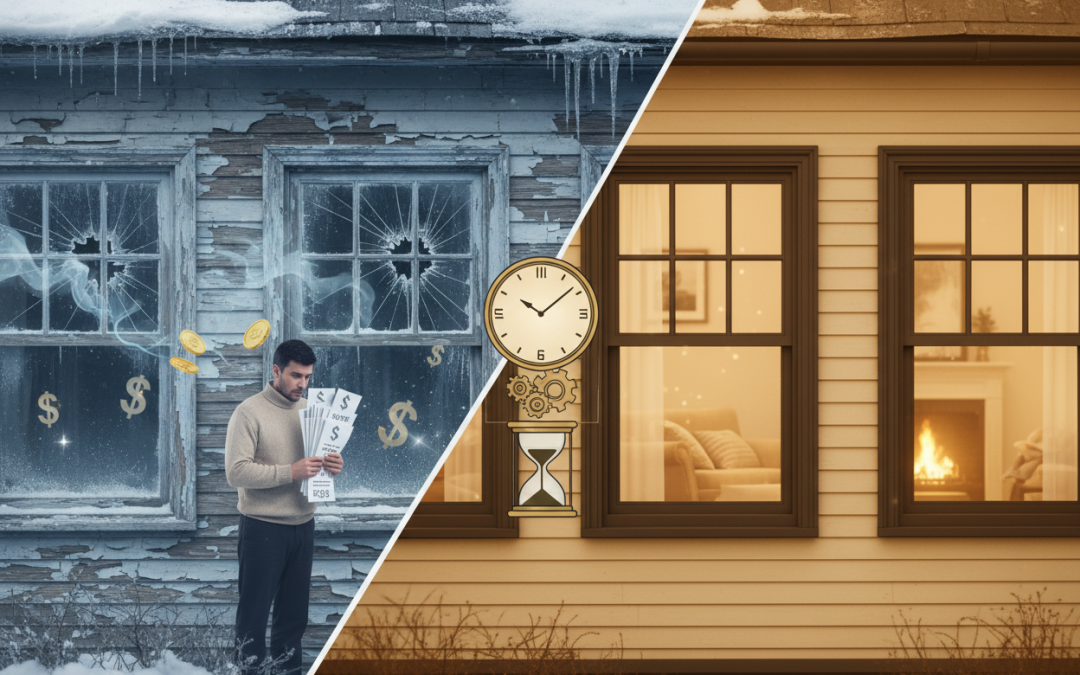
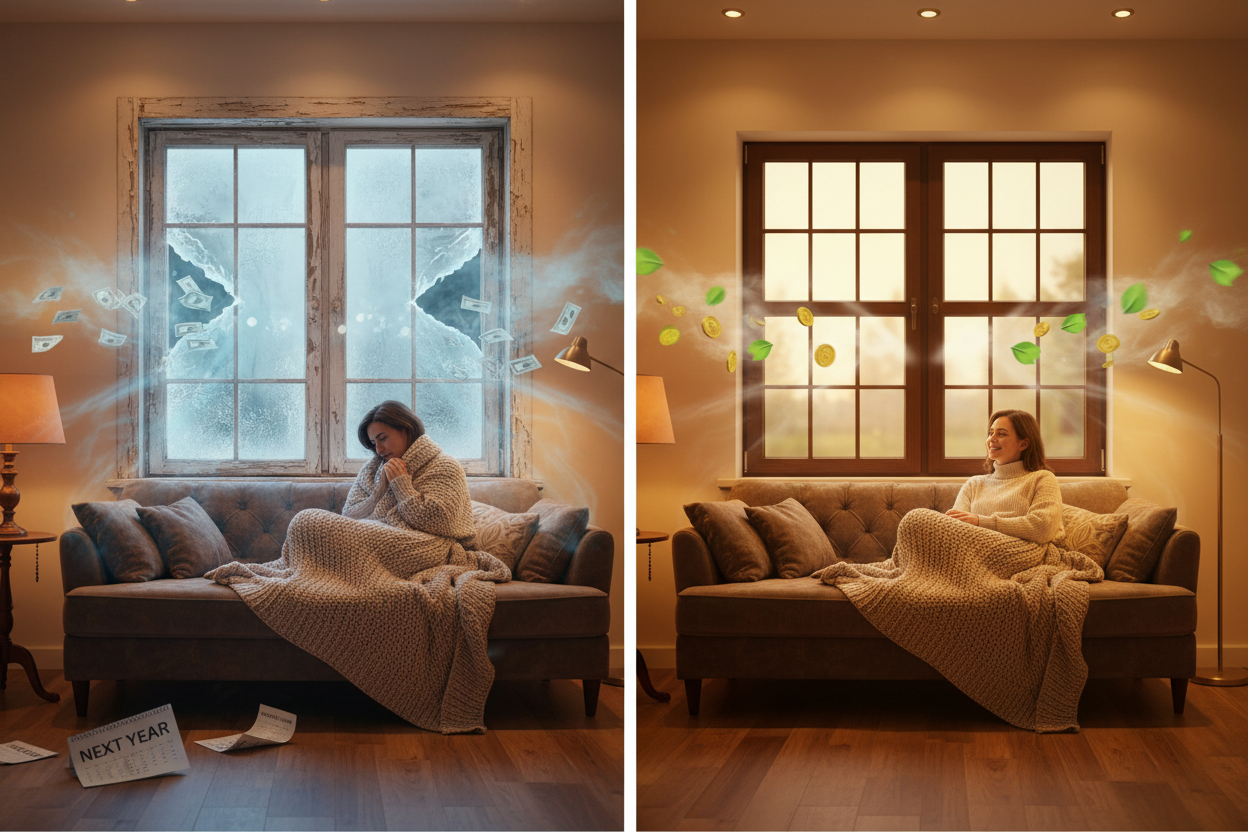
Picture this: you’re sitting in your living room on a chilly winter evening, wrapped in a blanket, when you notice that familiar draft creeping in around your old windows. You tell yourself you’ll deal with it “next year” – but that next year never seems to come. If this sounds familiar, you’re not alone. Many homeowners postpone window replacement, thinking they’re saving money in the short term. However, the real cost of delaying window replacement often far exceeds the initial investment, impacting everything from your monthly energy bills to your home’s market value.
Understanding the true financial implications of keeping outdated windows can help you make an informed decision about when to invest in replacements. Let’s explore the hidden costs that accumulate when you put off this important home improvement project.
Energy Efficiency: The Silent Budget Killer
Old windows are notorious energy vampires, quietly draining your bank account month after month. Single-pane windows, which are common in homes built before 1980, offer minimal insulation against temperature fluctuations. Even double-pane windows from the 1990s may have lost their effectiveness due to seal failures and outdated technology.
When your windows can’t maintain proper insulation, your heating and cooling systems work overtime to compensate. This increased workload translates directly into higher utility bills. According to the Department of Energy, inefficient windows can account for up to 30% of residential heating and cooling energy use. For the average American household spending $2,000 annually on energy costs, that’s potentially $600 per year lost to poor window performance.
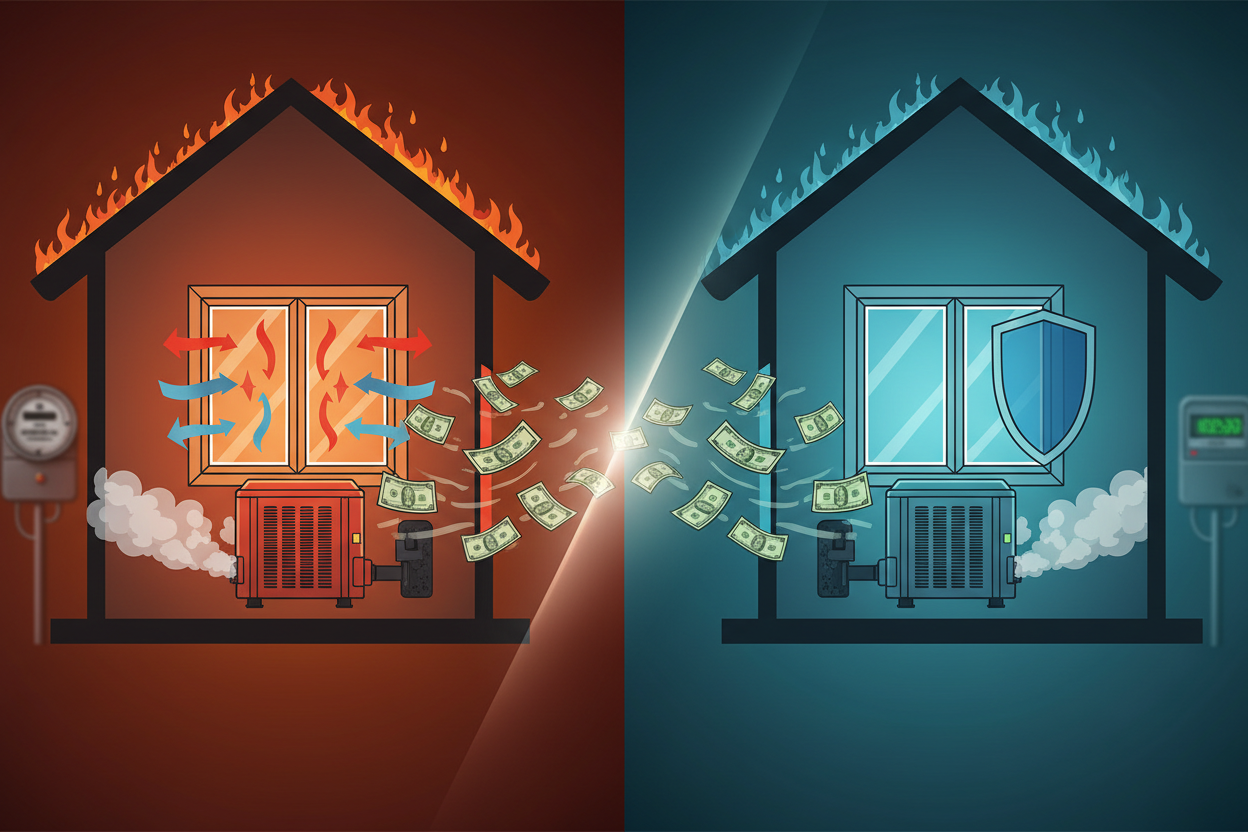
Modern energy-efficient windows, particularly those with ENERGY STAR certification, can reduce energy costs by 12-33% compared to older models. While the upfront investment might seem substantial, the long-term savings often justify the expense within 7-10 years through reduced utility bills alone.
Structural Damage: When Small Problems Become Big Expenses
Delaying window replacement doesn’t just affect your comfort – it can lead to serious structural issues that cost thousands to repair. Older windows often develop gaps, cracks, and seal failures that allow moisture to penetrate your home’s envelope. This moisture infiltration creates the perfect environment for several costly problems.
Water damage around window frames can cause wood rot, which may require extensive carpentry work to repair. In severe cases, rotted window frames can compromise the structural integrity of surrounding walls, leading to repair costs that far exceed the price of timely window replacement. Additionally, moisture problems can damage drywall, insulation, and flooring near windows, creating a domino effect of necessary repairs.
Perhaps even more concerning is the potential for mold growth in areas where moisture regularly accumulates. Mold remediation can cost anywhere from $1,500 to $9,000, depending on the extent of the problem. Professional mold removal often requires tearing out affected materials and rebuilding sections of your home – a much more expensive proposition than proactive window replacement.
Property Value Impact: Missing Out on Return on Investment
Your home is likely your largest financial asset, and delaying necessary improvements like window replacement can negatively impact its market value. Real estate professionals consistently rank windows among the top features that influence buyer decisions and home valuations.
New windows typically provide a return on investment of 70-80% in increased home value, according to Remodeling Magazine’s annual Cost vs. Value report. This means that a $15,000 window replacement project could add $10,500-$12,000 to your home’s resale value. However, this return diminishes over time as windows age and become outdated again.
More importantly, homes with obviously outdated or damaged windows often sit on the market longer and may require price reductions to attract buyers. Potential buyers frequently view old windows as a red flag, assuming they’ll need immediate replacement after purchase. This perception can lead to lower offers or requests for seller concessions that ultimately cost you more than proactive replacement would have.
Comfort and Quality of Life Considerations
While financial costs are important, the impact on daily comfort and quality of life shouldn’t be overlooked. Old windows often fail to maintain consistent indoor temperatures, creating hot and cold spots throughout your home. These temperature variations force you to constantly adjust thermostats and may make certain rooms uncomfortable or unusable during extreme weather.
Drafty windows also allow outside noise to penetrate your home more easily. If you live near busy streets, construction sites, or other noise sources, upgrading to modern windows with better sound insulation can significantly improve your living environment. The value of peaceful, comfortable living spaces is difficult to quantify but contributes substantially to your overall quality of life.
Additionally, old windows may be difficult to operate, pose security risks due to faulty locks, or create safety hazards if glass is cracked or frames are deteriorating. These issues can affect your family’s safety and peace of mind, making window replacement not just a financial decision but a practical necessity.
Maintenance and Repair Costs Add Up
Aging windows require increasingly frequent maintenance and repairs as they deteriorate. What starts as occasional caulking or weatherstripping replacement can escalate to more significant issues like broken sash cords, failed window balances, or cracked glass. These individual repairs might seem manageable, but they accumulate over time.
Consider the typical maintenance timeline for aging windows: you might spend $200-$300 annually on minor repairs and maintenance. Over a decade, that’s $2,000-$3,000 in ongoing costs – money that could have been applied toward new windows that require minimal maintenance for years to come.
Furthermore, as windows age, replacement parts become harder to find and more expensive. Specialty hardware for vintage windows can cost significantly more than standard components, and you may need to hire specialists familiar with older window systems, increasing labor costs.
The Optimal Timing for Window Replacement
Recognizing when to replace windows requires balancing current performance against future costs. Generally, windows should be replaced when they’re 15-20 years old, though this timeline can vary based on quality, climate, and maintenance history. Key indicators that replacement time has arrived include visible damage, difficulty opening or closing, condensation between glass panes, and noticeably higher energy bills.
The best time for window replacement is typically during mild weather seasons when installation won’t significantly impact your comfort. Spring and fall often provide ideal conditions, though planning ahead allows you to schedule installation during your preferred timeframe and potentially secure better pricing.
Consider your long-term housing plans when timing replacement. If you plan to sell within 2-3 years, new windows can boost marketability and sale price. If you’re staying long-term, focus on energy efficiency and durability to maximize ongoing savings and comfort.
Making the Investment Work for You
When you’re ready to move forward with window replacement, several strategies can help maximize your investment. Research available rebates and tax credits for energy-efficient windows, which can offset initial costs significantly. Many utility companies offer rebates for ENERGY STAR certified windows, and federal tax credits may be available for qualifying products.
Get multiple quotes from reputable contractors to ensure competitive pricing and quality installation. Remember that the lowest bid isn’t always the best value – factor in warranty coverage, installer experience, and product quality when making your decision. Proper installation is crucial for achieving the energy efficiency and performance benefits that justify window replacement costs.
Consider financing options if upfront costs are a concern. Many window companies offer financing programs, and the monthly payment may be offset by immediate energy savings, making replacement cash-flow neutral or positive from the start.
Frequently Asked Questions
How long do modern windows typically last?
High-quality modern windows can last 20-30 years or more with proper maintenance. Vinyl windows typically last 20-25 years, while wood and fiberglass windows can last 30+ years when properly maintained.
What’s the average cost of window replacement?
Window replacement costs vary widely based on size, style, and materials, typically ranging from $300-$1,000 per window including installation. Whole-house projects often benefit from economies of scale, reducing per-window costs.
Can I replace just a few windows instead of all of them?
Yes, you can replace windows individually, but replacing all windows at once is often more cost-effective and ensures consistent performance and appearance throughout your home.
How much can new windows reduce my energy bills?
Energy-efficient windows can reduce heating and cooling costs by 12-33% compared to older windows, depending on your current windows’ condition and your home’s overall energy efficiency.
Do I need permits for window replacement?
Most window replacements don’t require permits if you’re replacing existing windows with similar sizes. However, requirements vary by location, so check with your local building department before starting your project.
The decision to delay window replacement might seem like a money-saving strategy, but the hidden costs often make postponement more expensive than timely action. From escalating energy bills to potential structural damage and lost home value, old windows can drain your finances in ways that aren’t immediately obvious. By understanding these real costs and planning proactively for window replacement, you can make an informed decision that protects both your comfort and your investment in your home. Remember, quality windows aren’t just an expense – they’re an investment in your home’s efficiency, value, and your family’s comfort for decades to come.





















Home replacement window companies The Colony Texas














Home replacement window companies Caddo Mills Texas


Window replacement near me in Preston Hollow Dallas Texas








Collinsville TX Vinyl Siding Replacement Near Me
























Grand Prairie TX Windows And Siding Replacement