
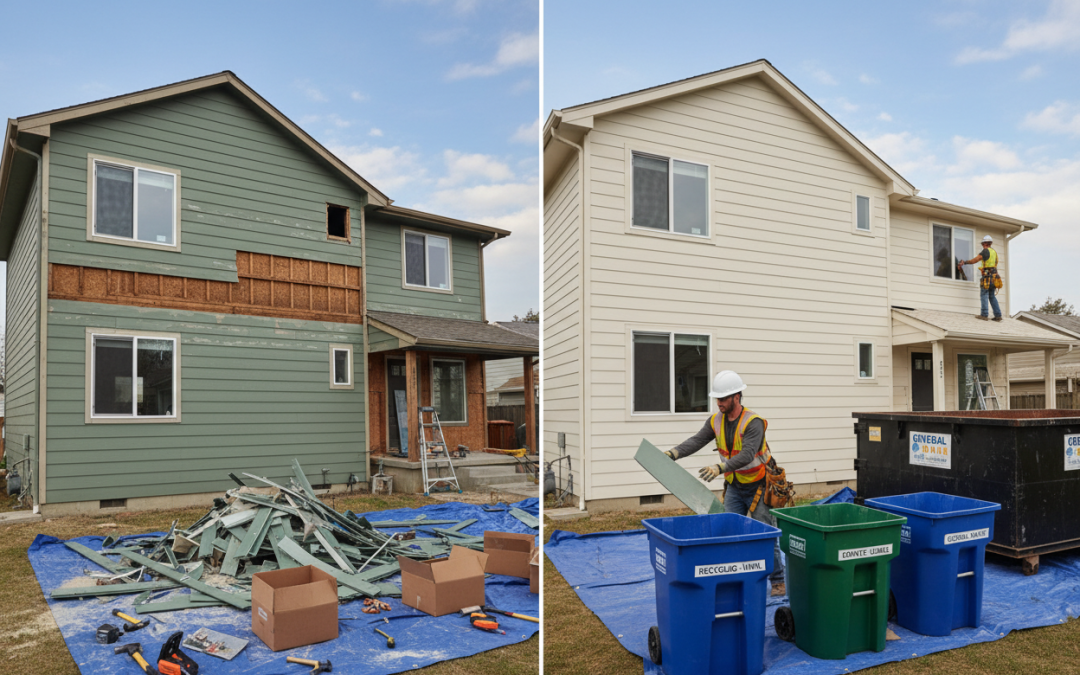
The Complete Guide to Siding Replacement Cleanup and Disposal
Replacing your home’s siding is an exciting project that can dramatically improve your property’s curb appeal and value. However, once the installation crew packs up and leaves, you’re often left staring at a mountain of debris, old materials, and construction waste. The cleanup phase might seem overwhelming, but with proper planning and the right approach, you can tackle this challenge efficiently while staying within budget and environmental guidelines.
Whether you’re a DIY enthusiast who handled the replacement yourself or a homeowner whose contractor left cleanup responsibilities to you, this comprehensive guide will walk you through every aspect of siding replacement cleanup and disposal. From sorting materials to finding the most cost-effective disposal methods, we’ll cover everything you need to know to restore your property to its pristine condition.
Understanding the Scope of Siding Replacement Debris
Before diving into cleanup strategies, it’s crucial to understand what you’re dealing with. Siding replacement projects generate various types of waste, each requiring different disposal approaches. The volume and type of debris will depend on your home’s size, the type of old siding removed, and the installation method used.
Typical debris from siding replacement includes old siding materials such as vinyl, wood, aluminum, or fiber cement panels. You’ll also encounter nails, screws, and other fasteners, along with damaged or replaced trim pieces, house wrap or insulation materials, and packaging from new siding materials. Additionally, there might be damaged sheathing or structural components that needed replacement during the project.
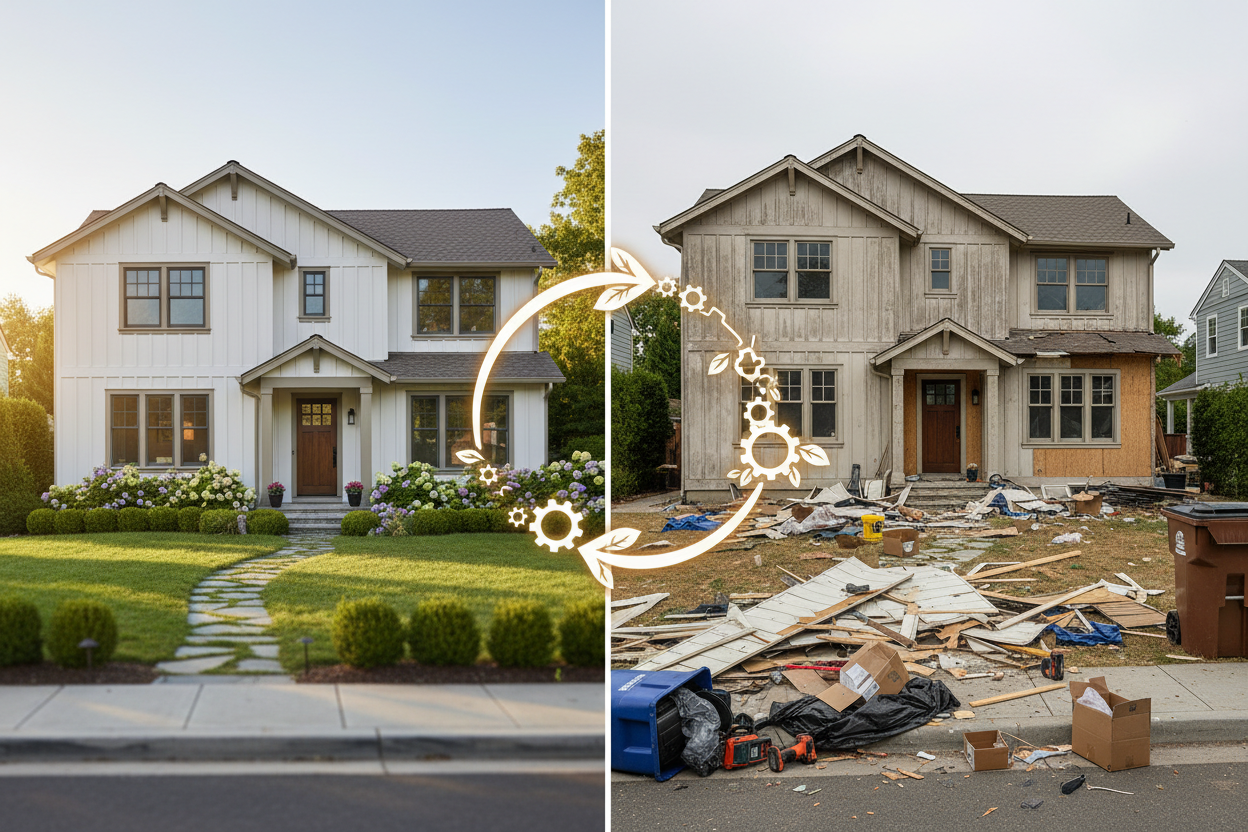
The sheer volume can be surprising. A typical 1,500 square foot home can generate anywhere from 2 to 4 tons of debris during siding replacement. This weight includes not just the old siding but also all the associated materials and packaging waste from the new installation.
Safety Considerations During Cleanup
Safety should be your top priority throughout the cleanup process. Construction debris poses various hazards that require careful attention and proper protective equipment. Sharp objects like nails, screws, and metal edges are common in siding debris and can cause serious injuries if not handled properly.
Always wear heavy-duty work gloves, safety glasses, and closed-toe shoes with thick soles. Long pants and long sleeves provide additional protection against cuts and scrapes. If you’re dealing with older siding materials, particularly those installed before 1980, be aware of potential asbestos content in certain fiber cement products or lead paint on wooden siding.
When in doubt about hazardous materials, consult with professionals before proceeding. Some materials require special handling and disposal procedures that go beyond typical construction waste management. Never attempt to handle suspected hazardous materials without proper training and equipment.
Sorting and Categorizing Debris
Efficient cleanup begins with proper sorting. Creating separate piles for different materials not only makes disposal easier but can also save you money and help the environment. Many materials from siding replacement can be recycled or repurposed, reducing the amount that ends up in landfills.
Start by separating recyclable metals like aluminum siding, flashing, and steel fasteners. These materials often have value at scrap yards and recycling centers. Next, sort wood materials, which might be suitable for recycling into mulch or biomass fuel, depending on their condition and treatment.
Vinyl siding presents recycling opportunities in many areas, though availability varies by location. Clean vinyl without nails or other attachments is most likely to be accepted by recycling facilities. Create a separate pile for general construction waste that will need to go to a landfill or construction debris facility.
Don’t forget about packaging materials from your new siding. Cardboard, plastic wrapping, and foam padding should be sorted appropriately. Much of this packaging can go into regular recycling streams, reducing your overall disposal costs.
Disposal Methods and Options
Once you’ve sorted your debris, you’ll need to choose the most appropriate disposal method for each category. Your options will vary based on your location, the volume of material, and your budget considerations. Understanding these options helps you make informed decisions that balance cost, convenience, and environmental responsibility.
Dumpster rental is often the most convenient option for large-scale cleanup projects. Most rental companies offer various sizes, from 10-yard containers suitable for smaller homes to 40-yard dumpsters for extensive projects. When selecting a dumpster size, remember that construction debris is heavy, and you might reach weight limits before filling the container completely.
Municipal waste services in some areas accept construction debris, though this is becoming less common due to landfill capacity concerns. Check with your local waste management authority about special pickup services or designated drop-off locations for construction materials.
Hauling debris yourself to disposal facilities can be cost-effective for smaller projects, especially if you have access to a truck or trailer. Many areas have construction and demolition waste facilities that accept debris for a fee based on weight or volume.
Recycling Opportunities for Old Siding Materials
Recycling old siding materials isn’t just environmentally responsible—it can also reduce your disposal costs significantly. Many siding materials have value in recycling markets, and some facilities will accept them at no charge or even pay for certain materials.
Aluminum siding is highly valuable in recycling markets. Clean aluminum can fetch good prices at scrap yards, potentially offsetting some of your disposal costs. Remove all nails, screws, and backing materials to maximize value. Even small amounts of aluminum trim and flashing are worth collecting separately.
Wood siding, if untreated and unpainted, might be accepted at wood recycling facilities where it’s processed into mulch, biomass fuel, or engineered wood products. However, painted wood, especially from older homes, may contain lead and require special handling.
Vinyl siding recycling is expanding as manufacturers develop programs to reclaim old materials. Some siding manufacturers partner with recycling companies to accept old vinyl siding, though you may need to remove all fasteners and ensure the material is clean.
Steel and iron components like nails, screws, and brackets can be recycled at most scrap metal facilities. While individual fasteners might seem insignificant, they add up quickly in large projects and are always accepted at recycling centers.
Cost-Effective Cleanup Strategies
Managing cleanup costs requires strategic planning and smart decision-making throughout the process. The key is balancing your time investment against professional services while maximizing recycling opportunities and minimizing disposal fees.
Consider timing your cleanup activities to take advantage of bulk waste collection days if your municipality offers them. Some areas provide free or reduced-cost disposal of construction materials during designated periods. Planning your project timeline around these opportunities can result in significant savings.
Renting a dumpster for an appropriate duration prevents rush fees while giving you flexibility in cleanup timing. However, be realistic about how quickly you can complete the work. Extending rental periods is usually less expensive than paying rush disposal fees or making multiple trips to disposal facilities.
Maximize recycling opportunities by researching local facilities and their requirements before starting cleanup. Some recycling centers have specific preparation requirements that, when followed, can eliminate disposal fees entirely. Taking time to clean and sort materials properly often pays dividends in reduced disposal costs.
Consider partnering with neighbors or friends who might have similar projects. Sharing dumpster costs or coordinating trips to disposal facilities can reduce per-project expenses for everyone involved.
Environmental Considerations and Best Practices
Responsible disposal of siding materials goes beyond just getting rid of debris—it’s about minimizing environmental impact and supporting sustainable construction practices. The construction industry generates enormous amounts of waste, and individual homeowners can make a meaningful difference through conscious disposal choices.
Prioritize recycling and reuse whenever possible. Even if recycling requires extra effort or slight additional costs, the environmental benefits often justify the investment. Many materials that seem worthless actually have value in recycling streams or can be repurposed for other projects.
Avoid illegal dumping, which is tempting when disposal costs seem high. Illegal dumping creates environmental hazards, can result in significant fines, and ultimately costs communities money in cleanup efforts. Always use legitimate disposal methods, even if they require more planning or expense.
Consider donating usable materials to habitat restoration organizations, community theater groups, or vocational schools. While most old siding won’t be suitable for reuse in construction, creative organizations often find innovative uses for materials that would otherwise be discarded.
Research local environmental programs that might accept specific materials. Some communities have specialized programs for construction waste, electronics, or hazardous materials that provide safe disposal options at reduced costs.
Working with Contractors and Cleanup Services
If the cleanup scope exceeds your capabilities or available time, professional services can provide efficient solutions. Understanding how to work effectively with contractors and cleanup services ensures you get good value while maintaining control over the process.
When hiring siding replacement contractors, clarify cleanup responsibilities upfront. Some contractors include complete cleanup in their bids, while others expect homeowners to handle debris removal. Understanding these expectations prevents surprises and helps you budget appropriately for the entire project.
Junk removal services specialize in debris cleanup and often have established relationships with recycling facilities and disposal sites. While more expensive than DIY approaches, these services can be cost-effective when you factor in your time value and the convenience of complete cleanup.
Get multiple quotes for cleanup services and understand what’s included in each bid. Some services charge by volume, others by weight, and pricing structures can vary significantly. Ask about recycling practices and environmental policies to ensure alignment with your values.
Verify that any cleanup service you hire is properly licensed and insured. Cleanup work involves potential liability issues, and you want protection against accidents or property damage during the process.
Timeline and Planning for Efficient Cleanup
Effective cleanup requires realistic timeline planning that accounts for weather, disposal facility hours, and your available time. Rushing through cleanup often leads to poor sorting decisions and missed recycling opportunities that could save money and benefit the environment.
Plan cleanup activities for good weather conditions when possible. Rain can make debris heavier and more difficult to handle, while also creating muddy conditions that complicate the work. Wind can scatter lightweight materials, creating additional cleanup challenges.
Research disposal facility hours and requirements before starting cleanup. Many facilities have limited hours or specific requirements for material preparation that can affect your timeline. Some facilities are closed on weekends or holidays, which could delay your project completion.
Break large cleanup projects into manageable phases rather than attempting to complete everything at once. This approach prevents burnout and allows for better decision-making about material sorting and disposal methods. It also provides flexibility to adjust plans based on what you learn during the initial phases.
Consider seasonal factors that might affect disposal options. Some recycling facilities have seasonal variations in acceptance policies or pricing, and weather conditions can significantly impact the difficulty of cleanup work.
Frequently Asked Questions
How much does siding replacement cleanup typically cost?
Cleanup costs vary widely based on project size, disposal methods, and local rates. DIY cleanup with dumpster rental typically costs $300-800 for an average home, while full-service professional cleanup can range from $800-2000. Recycling valuable materials like aluminum can offset some costs.
Can I put old siding in my regular trash pickup?
Most municipal waste services don’t accept construction debris in regular pickup. The volume and weight of siding materials typically exceed household waste limits. Check with your local waste management authority about special construction debris services or bulk pickup options.
How long should I plan for complete cleanup?
Plan 1-3 days for complete cleanup of an average home siding replacement project, depending on your available help and chosen disposal methods. This includes sorting, loading, and disposal activities. Weather and disposal facility accessibility can affect timing.
What should I do if I suspect my old siding contains asbestos?
Stop work immediately and consult with asbestos abatement professionals. Never attempt to handle suspected asbestos materials yourself. Professional testing and removal are required for asbestos-containing materials, with special disposal procedures that differ significantly from regular construction waste.
Is it worth trying to recycle old vinyl siding?
Yes, vinyl siding recycling is increasingly available and environmentally beneficial. While not all areas have recycling programs, many do accept clean vinyl siding. Remove all nails and attachments, and contact local recycling centers or siding manufacturers about take-back programs.
Can I burn old wood siding to dispose of it?
Never burn old siding materials, especially painted wood. Burning painted wood releases toxic fumes, and many areas prohibit burning construction materials. Even unpainted wood siding may contain treatments or fasteners that create hazardous emissions when burned.
Completing siding replacement cleanup doesn’t have to be overwhelming when approached systematically. By understanding your options, prioritizing safety, and making environmentally conscious choices, you can efficiently manage the cleanup process while potentially saving money through recycling and smart disposal strategies. Remember that proper planning and realistic timeline expectations are key to success, whether you’re handling the work yourself or coordinating with professional services. The effort you invest in responsible cleanup not only restores your property but also contributes to sustainable construction practices that benefit your community and environment.

How much does it cost for vinyl replacement windows Ferris Texas


Affordable home window replacement Valley View Texas





How much does it cost for vinyl replacement windows Paradise Texas











Affordable home window replacement Mobile City Texas





Home replacement window companies Gainesville Texas





How much does it cost for vinyl replacement windows Parker Texas