
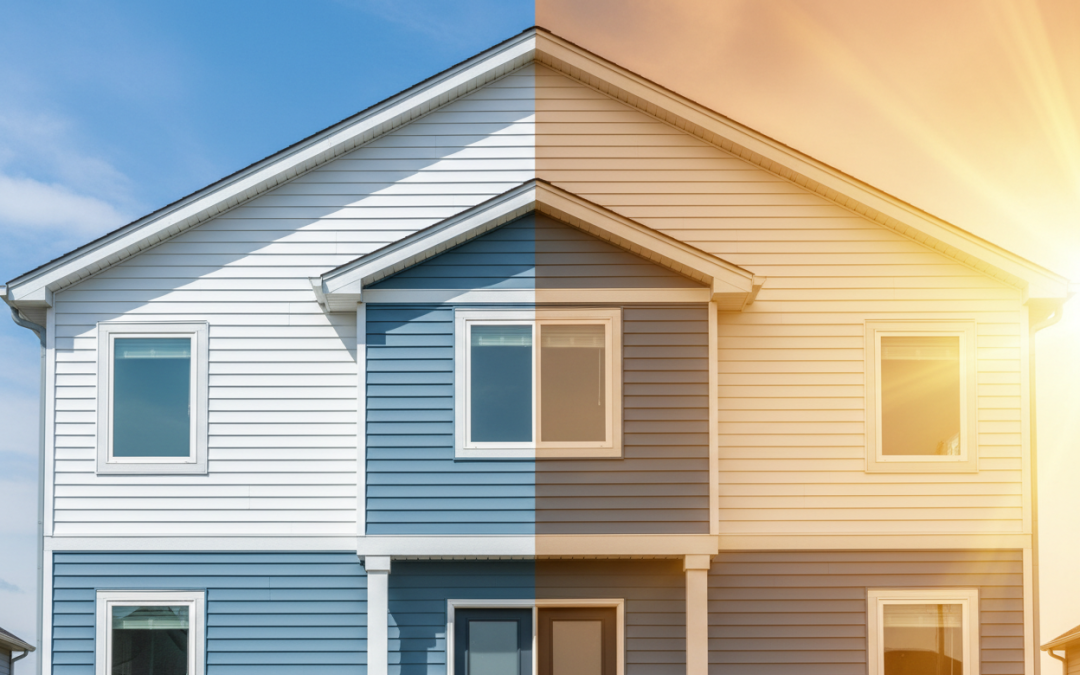
The Truth About Vinyl Siding Fade Resistance: What Homeowners Really Need to Know
When you’re standing in your driveway, looking at your home’s exterior, the last thing you want to see is faded, discolored siding that makes your house look tired and neglected. If you’re considering vinyl siding or already have it installed, you’ve probably wondered about its fade resistance. Will those vibrant colors last, or are you destined for disappointment down the road?
The truth about vinyl siding fade resistance isn’t as black and white as manufacturers’ marketing materials might suggest. While modern vinyl siding has come a long way from the chalky, faded panels of decades past, understanding what affects fade resistance can help you make informed decisions and set realistic expectations for your home’s exterior.
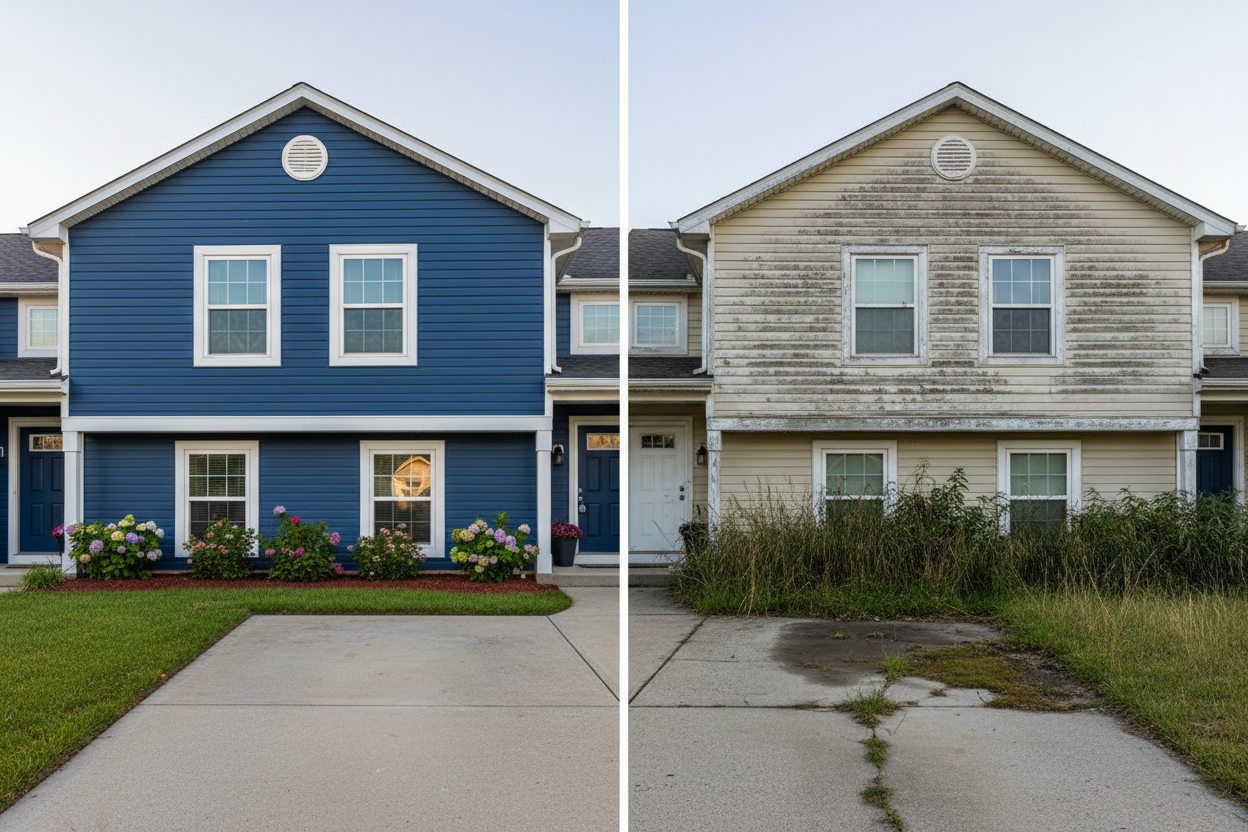
Understanding Vinyl Siding Fade Resistance Technology
Today’s vinyl siding isn’t your grandfather’s plastic panels. Modern manufacturing techniques have revolutionized how vinyl siding resists fading, but the science behind it is fascinating and worth understanding.
The key to fade resistance lies in the formulation of the vinyl itself. High-quality vinyl siding incorporates titanium dioxide, a white pigment that acts as a natural UV blocker. Think of it as sunscreen for your house. This compound reflects harmful ultraviolet rays that would otherwise break down the color molecules in the siding.
Additionally, premium vinyl siding often features co-extruded capstock technology. This means the colored layer isn’t just painted on top but is actually integrated into the siding material itself. The result? Even if minor scratches occur, the color runs deeper than surface level, maintaining a consistent appearance longer.
Factors That Impact Vinyl Siding Color Retention
Not all vinyl siding fades equally, and several factors determine how well your siding will maintain its color over time. Understanding these variables can help you choose the right product and installation approach for your specific situation.
Climate plays a massive role in fade resistance. Homes in Arizona’s desert sun face different challenges than those in the Pacific Northwest’s mild, cloudy climate. Intense UV exposure, combined with high temperatures, accelerates the breakdown of color molecules. However, it’s not just about heat – even cold climates with intense sun reflection off snow can cause significant fading.
The orientation of your home matters too. South-facing walls typically receive the most direct sunlight throughout the day, making them more susceptible to fading. West-facing surfaces often experience the most intense afternoon sun, while north-facing walls usually maintain their color longest.
Color choice significantly impacts fade resistance. Darker colors absorb more heat and UV radiation, making them more prone to fading and thermal expansion. Light colors reflect more energy, helping them maintain their appearance longer. This doesn’t mean you should avoid dark colors entirely, but understanding this relationship helps set appropriate expectations.
Quality Grades and Their Fade Resistance Performance
The vinyl siding market offers products across a wide quality spectrum, and fade resistance varies dramatically between grades. Understanding these differences can save you from costly disappointment later.
Builder-grade vinyl siding, often the most affordable option, typically offers basic fade resistance. These products may use recycled content and simpler manufacturing processes. While they’ll still outperform the vinyl siding of 20 years ago, they’re more likely to show noticeable fading within 10-15 years, especially in harsh climates.
Premium-grade vinyl siding incorporates advanced fade-resistant technologies. These products often come with 25-year to lifetime fade warranties, reflecting manufacturers’ confidence in their performance. The additional cost upfront often pays dividends in long-term appearance retention.
Specialty products like insulated vinyl siding or those with enhanced weather barriers may offer superior fade resistance due to their advanced manufacturing processes and material formulations. However, the primary benefit of these products isn’t always fade resistance, so evaluate them based on your specific priorities.
Real-World Performance Expectations
Let’s talk honestly about what fade resistance means in practice. Even the best vinyl siding will experience some color change over decades of exposure to the elements. The question isn’t whether it will fade, but how much and how quickly.
High-quality vinyl siding in moderate climates might show minimal color change for 15-20 years. In harsh, sun-intense environments, noticeable fading might begin appearing after 8-12 years, even with premium products. However, “noticeable” is subjective – what bothers one homeowner might be perfectly acceptable to another.
It’s also worth noting that vinyl siding typically fades gradually and uniformly, unlike paint which might peel or chip. This gradual change means many homeowners don’t notice the fading until they compare their siding to a fresh sample or see dramatic contrast against newer adjacent siding.
Professional installers often share stories of vinyl siding that’s performed exceptionally well for 20+ years, as well as cases where fading occurred more quickly than expected. These real-world examples highlight the importance of choosing quality products and proper installation.
Maintenance Tips to Maximize Fade Resistance
While vinyl siding is often marketed as maintenance-free, some simple care can significantly extend its color retention and overall appearance. These aren’t demanding tasks, but they can make a meaningful difference over time.
Regular cleaning removes dirt, pollutants, and organic matter that can contribute to discoloration. A gentle wash with soap and water once or twice yearly keeps the surface clean and allows you to inspect for any developing issues. Avoid harsh chemicals or abrasive cleaning methods that might damage the surface.
Trim vegetation away from siding to ensure proper air circulation and prevent organic staining. Overhanging branches or climbing vines can create moisture problems and leave stains that are difficult to remove. Additionally, some plants produce sap or berries that can permanently stain siding.
Address minor damage promptly. Small cracks or holes can allow moisture intrusion, potentially leading to more significant problems. While these issues might not directly cause fading, they can create conditions that accelerate overall deterioration.
Comparing Vinyl Siding to Alternative Materials
Understanding how vinyl siding’s fade resistance compares to other exterior materials helps put its performance in perspective. Each material has strengths and weaknesses, and the best choice depends on your priorities and circumstances.
Fiber cement siding often offers superior fade resistance, especially in darker colors. However, it requires periodic painting to maintain optimal appearance, which vinyl siding doesn’t need. The trade-off is between initial fade resistance and long-term maintenance requirements.
Traditional wood siding requires regular painting or staining to maintain appearance and protection. While properly maintained wood can look fantastic for decades, the maintenance commitment is significantly higher than vinyl siding.
Brick and stone offer excellent fade resistance but come with much higher initial costs. These materials might be worth considering for accent areas or if budget allows, but they’re not direct competitors for whole-house applications in most cases.
Making the Right Choice for Your Home
Choosing vinyl siding with appropriate fade resistance for your situation requires balancing several factors. Your climate, budget, aesthetic preferences, and long-term plans all play important roles in this decision.
If you live in an intense sun environment and plan to stay in your home for decades, investing in premium fade-resistant vinyl siding makes sense. The additional upfront cost often pays for itself in extended appearance retention and reduced replacement needs.
For moderate climates or shorter-term ownership plans, mid-grade vinyl siding might offer the best value proposition. You’ll still get reasonable fade resistance without paying for premium features you might not fully utilize.
Consider your color preferences carefully. If you love deep, rich colors, understand that they’ll require more maintenance of appearance over time, regardless of siding quality. Light and medium colors offer the best long-term fade resistance across all product grades.
Frequently Asked Questions
How long does vinyl siding typically last before showing noticeable fading?
High-quality vinyl siding can maintain its color for 15-25 years in moderate climates, while builder-grade products might show noticeable fading in 8-15 years. Harsh sun exposure and dark colors can accelerate this timeline.
Does vinyl siding fade uniformly or in patches?
Quality vinyl siding typically fades uniformly across the surface, creating a gradual, even color change. Patchy fading usually indicates manufacturing defects, installation issues, or damage from external factors.
Can faded vinyl siding be restored to its original color?
Once vinyl siding has faded, the color change is permanent and cannot be reversed. However, thorough cleaning can sometimes reveal that apparent “fading” is actually accumulated dirt and grime.
Are there specific colors that fade less than others?
Light colors like white, cream, and pale gray typically show the least fading over time. Medium colors offer a good balance of aesthetic appeal and fade resistance, while dark colors are most susceptible to noticeable fading.
What warranty coverage exists for vinyl siding fade resistance?
Warranty coverage varies by manufacturer and product grade. Premium products often include 25-year to lifetime fade warranties, while basic products might offer 10-15 year coverage. Always read warranty terms carefully, as they often specify acceptable levels of color change.
Does the direction my house faces affect vinyl siding fading?
Yes, significantly. South and west-facing walls receive the most intense sun exposure and typically show fading first. North-facing walls usually maintain their color longest, while east-facing surfaces fall somewhere in between.
The truth about vinyl siding fade resistance is that it’s genuinely impressive compared to older products, but it’s not magic. Understanding the factors that influence color retention, choosing appropriate quality levels for your situation, and maintaining realistic expectations will help ensure you’re satisfied with your vinyl siding’s long-term performance. When properly selected and installed, modern vinyl siding can maintain an attractive appearance for decades, making it a solid choice for many homeowners seeking durable, low-maintenance exterior solutions.












Affordable home window replacement Colleyville Texas

How much does it cost for vinyl replacement windows Desoto Texas






How much does it cost for vinyl replacement windows Sachse Texas





Black framed windows Lake Highlands Dallas Texas



Home window replacement near me Waxahachie Texas




How much does it cost for vinyl replacement windows Myra Texas












How much does it cost for vinyl replacement windows Savoy Texas