
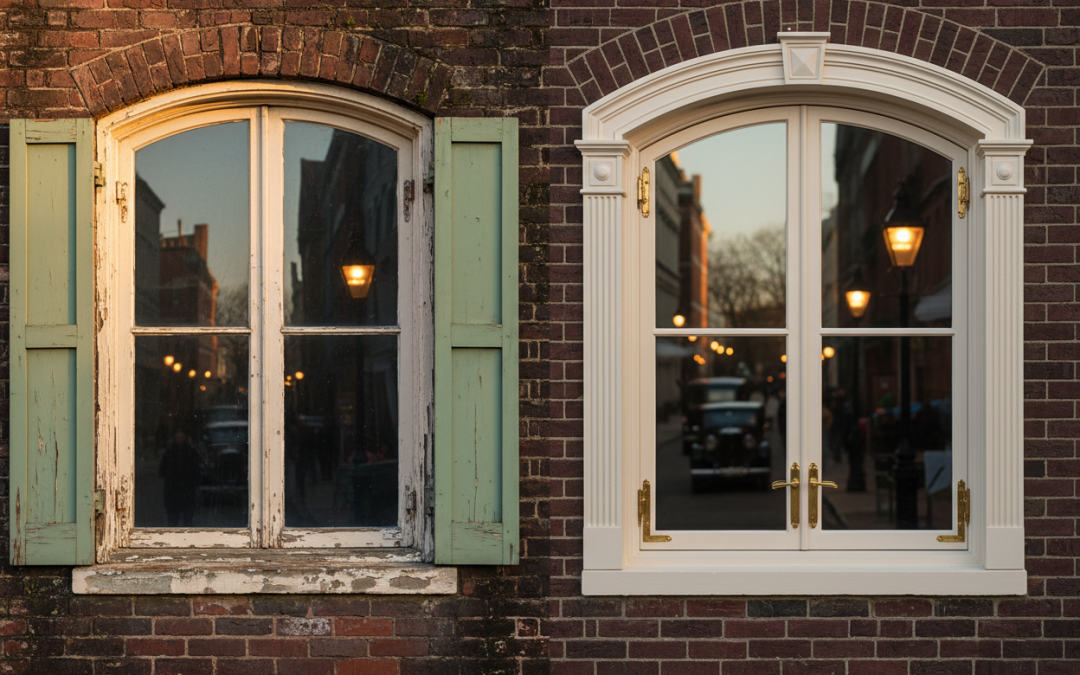
Window Replacement for Historic District Compliance: A Complete Homeowner’s Guide
Living in a historic district comes with unique privileges and responsibilities. While you get to call a piece of history home, you also need to navigate specific regulations when making improvements – especially when it comes to window replacement. If you’re considering new windows for your historic home, understanding compliance requirements isn’t just recommended; it’s essential for avoiding costly mistakes and potential legal issues.
Historic district window replacement involves more than simply choosing energy-efficient options from your local home improvement store. These projects require careful planning, proper approvals, and often specialized materials that honor your home’s architectural heritage while meeting modern performance standards.
Understanding Historic District Regulations and Requirements
Historic districts operate under strict preservation guidelines designed to maintain the architectural integrity and character of neighborhoods. These regulations typically stem from local historic preservation commissions, state historic preservation offices, or even federal designations like National Register listings.
When it comes to window replacement in historic districts, you’ll encounter several layers of oversight. Local historic preservation commissions usually require a Certificate of Appropriateness (COA) before any exterior alterations. This process involves submitting detailed plans showing existing conditions, proposed changes, and how your project aligns with district guidelines.
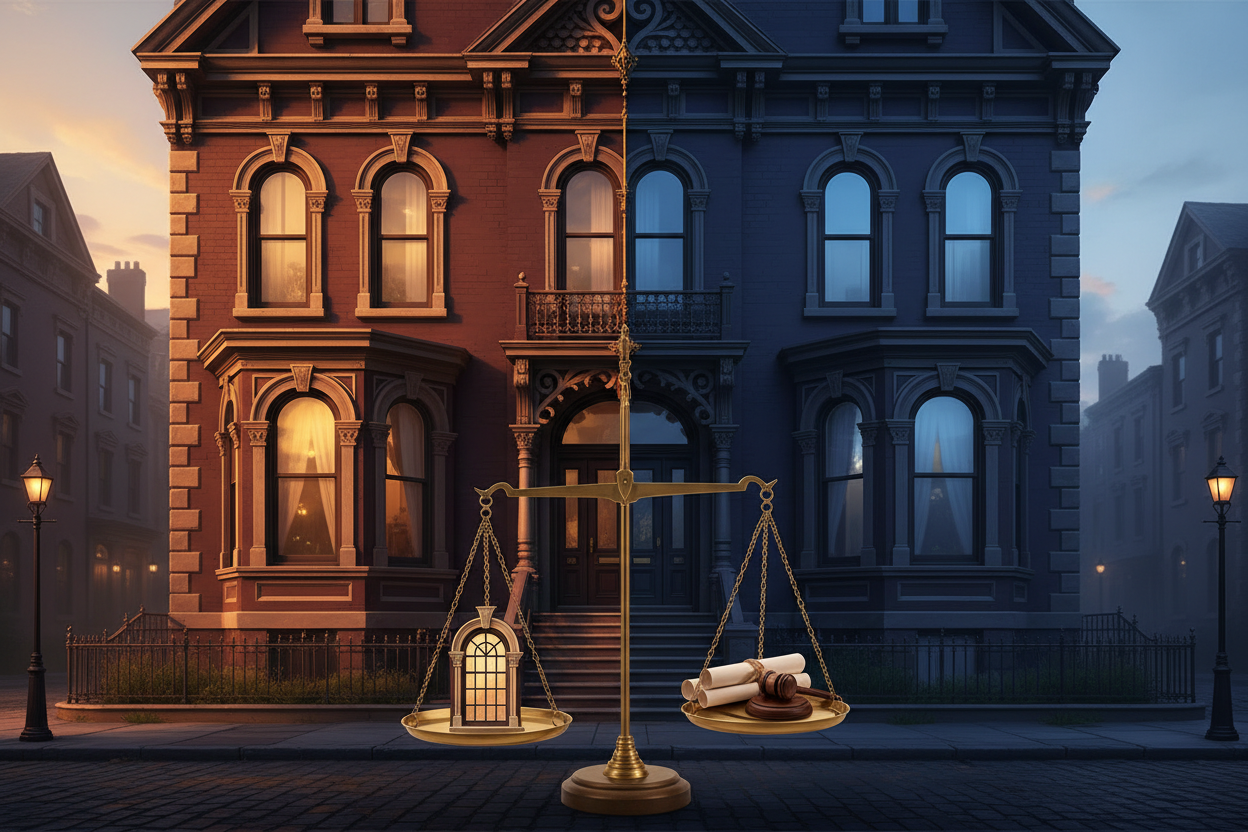
The review process can take anywhere from 30 to 90 days, depending on your local commission’s schedule and the complexity of your project. Some districts have expedited review processes for routine maintenance, while others require full board review for any window changes visible from public streets.
Many homeowners discover that regulations vary significantly between different areas of the same district. Properties facing primary streets often face stricter requirements than those on secondary streets or rear facades. Corner properties typically receive extra scrutiny since they’re visible from multiple public vantages.
Approved Window Materials and Styles for Historic Homes
Historic district compliance doesn’t mean you’re stuck with drafty, single-pane windows forever. Today’s manufacturers offer numerous options that combine period-appropriate aesthetics with modern performance features.
Wood windows remain the gold standard for most historic districts. High-quality wood windows can be engineered with insulated glass, weather stripping, and low-E coatings while maintaining traditional profiles and muntin patterns. Many preservation commissions specifically require wood windows for primary facades, though they may allow alternative materials for less visible areas.
Aluminum-clad wood windows represent an excellent compromise between authenticity and maintenance requirements. These windows feature wood interiors that satisfy historic guidelines while offering aluminum exteriors that resist weather damage and reduce upkeep needs.
Fiberglass windows have gained acceptance in some historic districts, particularly when they accurately replicate the profiles and sight lines of original windows. High-end fiberglass windows can be virtually indistinguishable from wood when properly finished, making them attractive options for homeowners seeking durability.
Vinyl windows face significant restrictions in most historic districts. While some commissions may approve vinyl for rear facades or secondary structures, they’re rarely acceptable for primary street-facing elevations. The material’s inability to replicate fine details and proportions of historic windows makes it incompatible with preservation goals.
The Certificate of Appropriateness Process
Securing a Certificate of Appropriateness requires thorough preparation and documentation. Start by photographing your existing windows from multiple angles, including close-ups of hardware, glazing details, and any unique features. Measure window openings precisely, noting any variations between similar-looking windows.
Research your home’s architectural style and construction period. Understanding whether you have a Colonial Revival, Craftsman, or Victorian home helps you select appropriate replacement options. Many historic preservation offices maintain style guides that illustrate acceptable window types for different architectural periods.
Your COA application should include detailed specifications for proposed windows, including materials, dimensions, glazing patterns, and hardware. Many commissions require samples or detailed manufacturer specifications showing cross-sections and profiles. Professional architectural drawings may be necessary for complex projects.
Consider attending a historic preservation commission meeting before submitting your application. Observing how the commission reviews other projects provides valuable insights into their priorities and decision-making process. Some commissioners are more flexible about certain aspects while being strict about others.
Balancing Energy Efficiency with Historic Preservation
One of the biggest challenges in historic district window replacement involves achieving modern energy performance while maintaining period-appropriate appearance. Fortunately, significant advances in window technology make this balance increasingly achievable.
Modern insulated glass units can be installed in traditional window frames without compromising historic appearance. Low-E coatings and argon gas fills dramatically improve thermal performance while remaining virtually invisible. Some manufacturers offer specialized historic glazing that replicates the slight imperfections and thickness variations of original glass.
Storm windows provide another path to improved energy efficiency. High-quality interior or exterior storm windows can boost thermal performance significantly while preserving original windows. Many historic districts encourage storm window installation as an alternative to replacement, particularly for well-preserved original windows.
Weather stripping upgrades often deliver substantial energy improvements at minimal cost. Modern weather stripping materials can be installed discretely in traditional window frames, reducing air infiltration without altering historic appearance.
When replacement becomes necessary, focus on replicating the thermal characteristics of original windows through modern means. Multi-pane configurations should match original patterns exactly, even when using insulated glass units. Muntin profiles must maintain the same depth and proportions as historic examples.
Working with Qualified Contractors and Specialists
Historic district window replacement requires specialized expertise that goes beyond typical residential window installation. Look for contractors with demonstrated experience in historic preservation projects and familiarity with local commission requirements.
Ask potential contractors about their previous historic district projects and request references from recent clients. Experienced historic preservation contractors understand the importance of proper documentation, appropriate materials, and installation techniques that preserve architectural integrity.
Many successful historic district projects involve collaboration between general contractors and specialized window restoration companies. These specialists can often repair or rebuild existing windows to like-new condition while maintaining all historic materials and details.
Verify that your contractor understands local permit requirements beyond the Certificate of Appropriateness. Building permits, electrical permits for motorized windows, and other approvals may be necessary depending on your project scope.
Quality installation becomes even more critical in historic homes, which often have settling, non-square openings, and unique construction details. Experienced contractors know how to address these challenges while maintaining weather-tight installations and proper window operation.
Common Compliance Challenges and Solutions
Even well-planned historic district window projects can encounter unexpected challenges. Understanding common issues helps you prepare for potential complications and develop appropriate solutions.
Mismatched window sizes within the same facade often surprise homeowners. Historic construction tolerances were less precise than modern standards, resulting in window openings that vary by several inches. Custom window manufacturing may be necessary to maintain consistent appearance while fitting irregular openings properly.
Original hardware requirements can complicate modern window installations. Many historic districts require retention or replication of original window hardware, including locks, sash chains, and pulleys. Specialized hardware suppliers can often provide period-appropriate components that function with modern window mechanisms.
Structural issues discovered during window removal sometimes require additional approvals. Rotted sills, damaged headers, or settling that affects window openings may necessitate structural repairs that require separate review by the historic preservation commission.
Color matching presents ongoing challenges, particularly for painted wood windows. Historic districts often have specific color palettes or require colors based on paint analysis of original finishes. Work with preservation specialists who understand historic paint formulations and application techniques.
Cost Considerations and Budget Planning
Historic district window replacement typically costs more than standard residential projects due to specialized materials, custom sizing, and compliance requirements. Budget planning should account for these additional expenses from the project’s beginning.
Custom window manufacturing adds significant cost compared to standard sizes, but it’s often necessary to maintain historic proportions and fit irregular openings properly. High-quality wood windows suitable for historic districts typically cost 50-100% more than standard vinyl or aluminum alternatives.
Professional consultation fees for architects, preservation specialists, or historic preservation consultants should be included in your budget. These professionals can help navigate the approval process and ensure compliance with district requirements.
Consider potential tax incentives available for historic preservation projects. Federal historic preservation tax credits, state tax incentives, and local grant programs may offset some project costs. Research available programs early in your planning process, as they often have specific requirements and application deadlines.
Factor in potential delays when budgeting for historic district projects. Extended approval processes, custom manufacturing lead times, and specialized installation requirements can extend project timelines significantly compared to standard window replacements.
Frequently Asked Questions
Q: How long does the Certificate of Appropriateness process typically take?
A: The COA process usually takes 30-90 days, depending on your local historic preservation commission’s meeting schedule and the complexity of your project. Simple projects may qualify for expedited administrative approval, while complex changes require full board review.
Q: Can I replace windows myself in a historic district?
A: While you may be able to do the work yourself, you still need proper permits and approvals. Many historic districts require licensed contractors for window replacement, and DIY installation can void warranties and create compliance issues.
Q: Are there any windows that are automatically approved in historic districts?
A: No windows are automatically approved without review. However, some districts have pre-approved lists of acceptable window styles and manufacturers that can streamline the approval process.
Q: What happens if I install non-compliant windows?
A: Installing non-compliant windows can result in fines, legal action, and requirements to remove and replace the windows at your expense. Some violations may also affect property values and future sale prospects.
Q: Can I install storm windows without approval?
A: Most historic districts require approval for exterior storm windows, though interior storms may be exempt. Check with your local preservation commission before installation, as requirements vary significantly between districts.
Q: How do I find contractors experienced with historic district work?
A: Contact your local historic preservation commission for contractor recommendations. Professional preservation organizations, architectural salvage companies, and other historic homeowners can also provide valuable referrals.
Successfully navigating window replacement in a historic district requires patience, planning, and attention to detail. While the process may seem daunting initially, the result is windows that honor your home’s heritage while providing modern comfort and efficiency. By understanding requirements, working with qualified professionals, and respecting the approval process, you can achieve a successful project that enhances both your home’s value and your neighborhood’s historic character.


Energy-efficient vinyl windows Colleyville Texas






Energy-efficient vinyl windows Flower Mound Texas







Home window replacement near me Greenville Texas




Window replacement near me in Preston Hollow Dallas Texas




Best home window replacement Lakewood Dallas Texas


Home replacement window companies Lake Dallas Texas


















Affordable home window replacement Sunnyvale Texas








North Richland Hills TX Replacement Windows And Siding


Farmersville TX Windows And Siding Replacement