
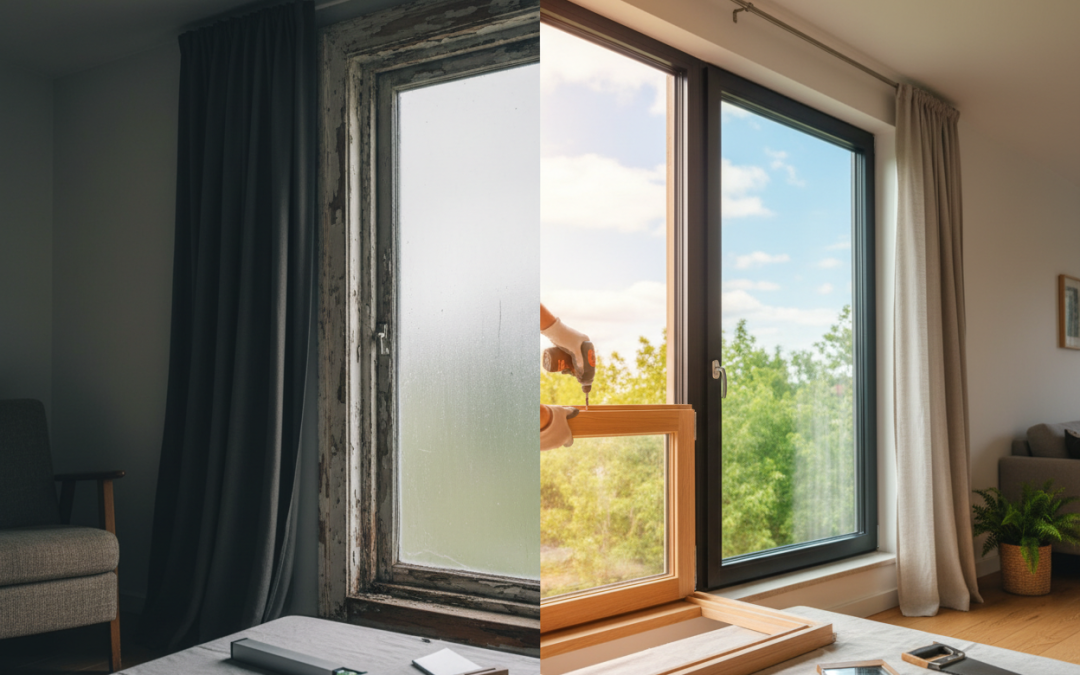
The Complete Guide to Picture Window Replacement Options
Picture windows are the crown jewels of home design, offering unobstructed views of the outdoors while flooding your interior spaces with natural light. When it’s time to replace these architectural features, homeowners face a wealth of options that can feel overwhelming. Whether you’re dealing with drafty old windows, condensation issues, or simply want to upgrade your home’s energy efficiency, choosing the right picture window replacement requires careful consideration of materials, styles, and installation factors.
This comprehensive guide will walk you through everything you need to know about picture window replacement, from understanding different frame materials to selecting the perfect glass options for your climate and lifestyle needs. By the end of this article, you’ll have the confidence to make informed decisions that will enhance your home’s comfort, value, and curb appeal for years to come.
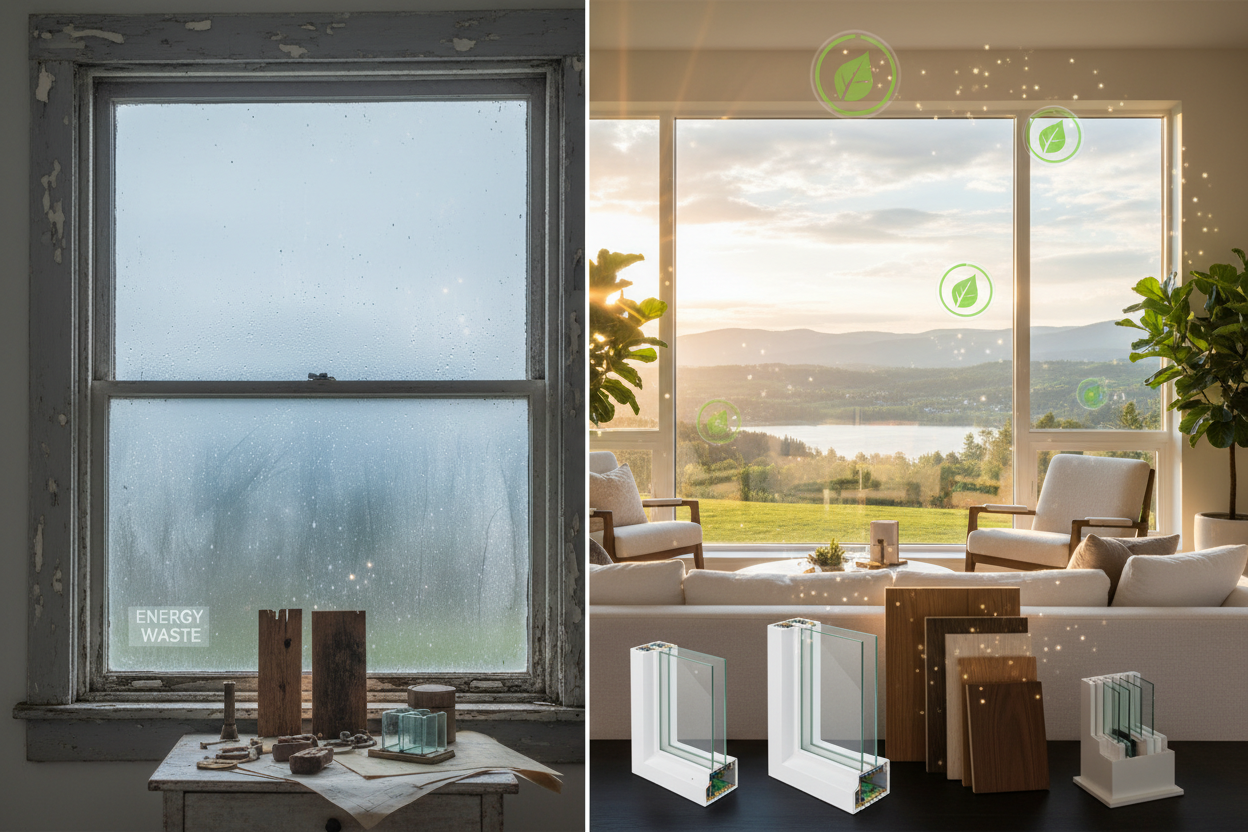
Understanding Picture Window Basics
Picture windows are large, fixed windows designed to provide maximum visibility and light transmission without the interruption of mullions, sashes, or hardware. Unlike operable windows, picture windows don’t open, which allows for larger glass surfaces and cleaner sight lines. This design makes them ideal for showcasing beautiful views, whether that’s a garden, cityscape, or natural landscape.
The primary purpose of picture windows extends beyond aesthetics. They serve as natural light sources that can dramatically reduce your dependence on artificial lighting during daylight hours. Additionally, strategically placed picture windows can make smaller rooms feel more spacious and connected to the outdoors. However, because they don’t open, proper ventilation must be planned through other window types or mechanical systems.
When considering replacement, it’s important to understand that picture windows come in various shapes and sizes. While rectangular configurations are most common, you’ll find arched, circular, and custom geometric options that can create stunning focal points in any room. The size limitations are primarily determined by structural considerations and local building codes, though modern manufacturing techniques allow for impressively large single-pane installations.
Frame Material Options for Picture Window Replacement
The frame material you choose significantly impacts your window’s performance, maintenance requirements, and overall appearance. Each material offers distinct advantages and considerations that should align with your priorities and budget.
Vinyl frames have become increasingly popular due to their excellent energy efficiency and low maintenance requirements. Modern vinyl windows feature multi-chambered designs that provide superior insulation while remaining cost-effective. They’re available in various colors, though white and almond remain the most common choices. The main limitation of vinyl is that it cannot be painted if you want to change colors later, and extreme temperature fluctuations can cause some expansion and contraction.
Wood frames offer timeless beauty and excellent insulation properties, making them a favorite among homeowners who prioritize aesthetics and traditional craftsmanship. High-quality wood windows can last decades with proper maintenance, and they can be painted or stained to match any design scheme. However, wood requires regular upkeep to prevent rot, warping, and insect damage, particularly in humid climates or areas with significant weather exposure.
Fiberglass frames represent a premium option that combines the best characteristics of other materials. They’re incredibly durable, dimensionally stable, and can be painted to achieve any desired appearance. Fiberglass windows offer excellent energy efficiency and can withstand extreme weather conditions without warping or deteriorating. While the initial investment is higher than vinyl or wood, many homeowners find the long-term performance justifies the cost.
Aluminum frames, once popular in mid-century construction, are less common today due to their poor thermal performance. However, modern aluminum windows with thermal breaks can be suitable for specific applications, particularly in commercial settings or contemporary architectural styles where the sleek profile is desired.
Glass Technology and Energy Efficiency
The glass in your picture window replacement plays a crucial role in energy efficiency, comfort, and long-term operating costs. Understanding the various glass technologies available will help you make choices that align with your climate and performance expectations.
Double-pane glass has become the standard for most residential applications, featuring two layers of glass separated by an insulating air space. This configuration significantly reduces heat transfer compared to single-pane windows while also providing better sound insulation. The space between panes is often filled with argon or krypton gas, which further enhances thermal performance due to these gases’ superior insulating properties compared to regular air.
Triple-pane glass takes energy efficiency to the next level with three layers of glass and two insulating spaces. While more expensive than double-pane options, triple-pane windows excel in extreme climates where maximum energy savings are prioritized. They also provide superior sound dampening, which can be valuable in noisy urban environments or near busy roads.
Low-E coatings represent one of the most important advances in window technology. These microscopically thin metallic coatings are applied to glass surfaces to control heat transfer while maintaining visible light transmission. Different Low-E formulations are optimized for various climates – some focus on keeping heat out during summer months, while others prioritize retaining warmth during winter.
Specialized glass options include impact-resistant glass for storm-prone areas, decorative glass with textures or patterns for privacy, and even smart glass that can change opacity electronically. For homes with specific security concerns, laminated or tempered glass options provide additional protection against break-ins or accidental damage.
Installation Considerations and Best Practices
Proper installation is critical to your picture window’s long-term performance, regardless of how high-quality the window itself might be. Poor installation can lead to air leaks, water infiltration, and premature failure of even the best windows.
The installation process begins with accurate measurements and assessment of the existing opening. Professional installers will check for square, level, and plumb conditions while also evaluating the structural integrity of the surrounding framing. Any issues discovered during this phase should be addressed before the new window installation proceeds.
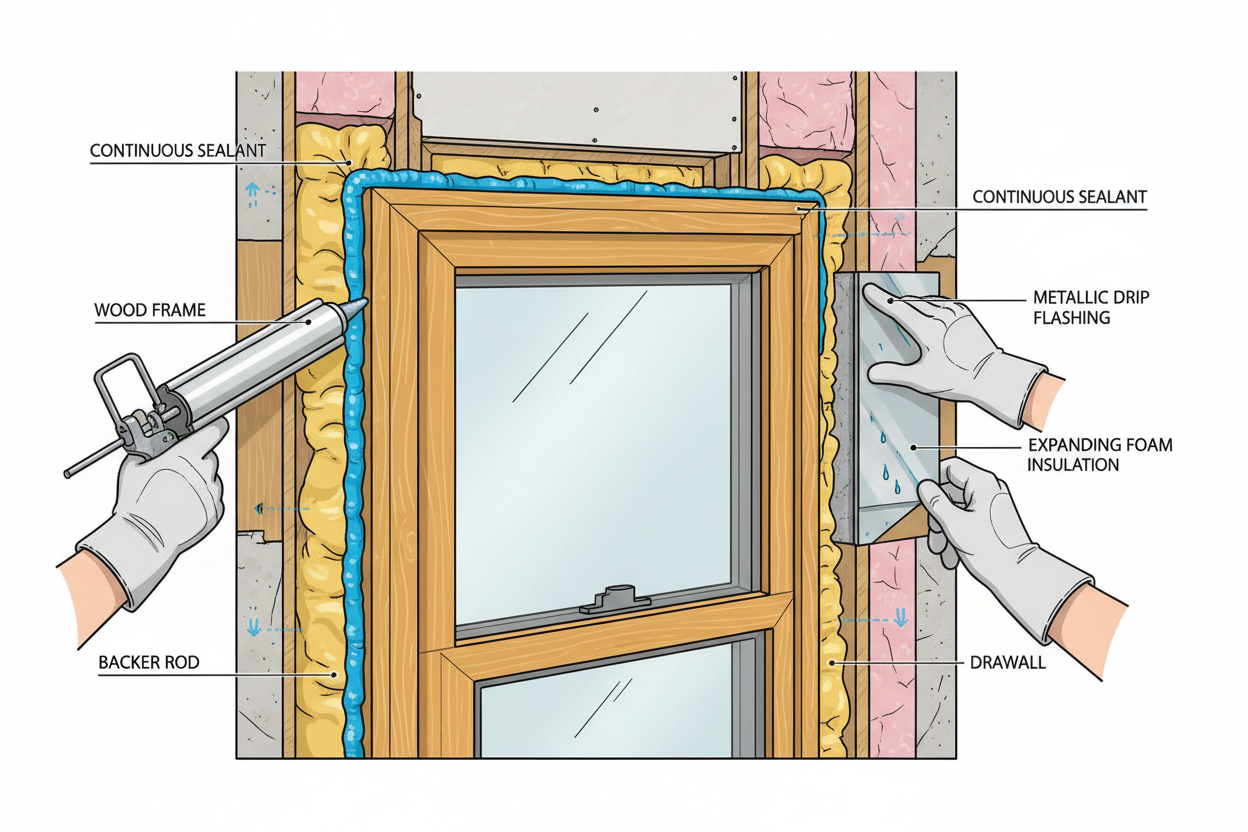
Weatherproofing and air sealing require meticulous attention to detail. Modern installation techniques include applying continuous beads of sealant, installing proper flashing to direct water away from the opening, and using expanding foam or backer rod to fill gaps between the window frame and rough opening. These steps are essential for preventing drafts and moisture problems that could compromise your home’s energy efficiency and structural integrity.
Professional installation typically includes removal and disposal of old windows, though some homeowners choose to handle this aspect themselves to reduce costs. If you’re considering DIY installation, honestly assess your skill level and available tools. Picture windows, particularly large ones, require specialized equipment and techniques to handle safely and install correctly.
Cost Factors and Budgeting
Picture window replacement costs vary significantly based on size, materials, glass options, and installation complexity. Understanding these cost factors will help you budget appropriately and make informed decisions about where to invest your money for maximum value.
Window size has the most dramatic impact on cost, as larger windows require more materials and often more complex installation procedures. A standard-sized picture window might cost between $300 to $800 for the window itself, while oversized custom units can easily exceed $2,000 or more before installation costs.
Frame material choice significantly affects pricing, with vinyl typically being the most economical option and fiberglass commanding premium prices. Wood windows fall somewhere in the middle, though high-end wood species or custom millwork can push costs higher. When comparing prices, consider the long-term value proposition rather than just initial cost, as more expensive materials often provide better durability and energy savings.
Glass upgrades add to the base cost but often provide excellent returns through energy savings and comfort improvements. Low-E coatings typically add $50 to $100 per window, while triple-pane glass might increase costs by $200 to $400 compared to standard double-pane options. In climates with extreme temperatures, these upgrades often pay for themselves through reduced heating and cooling costs.
Installation costs typically range from $150 to $400 per window, depending on complexity and regional labor rates. Factors that increase installation costs include difficult access, structural modifications needed to accommodate new window sizes, and the need for interior or exterior trim work to complete the installation properly.
Maintenance and Longevity
Proper maintenance extends the life of your picture window investment while ensuring optimal performance throughout its service life. Different frame materials have varying maintenance requirements that should factor into your selection decision.
Vinyl windows require minimal maintenance, typically needing only periodic cleaning with mild soap and water. The frames won’t rot, rust, or require painting, though they can become chalky over time if exposed to intense UV radiation. Cleaning the glass and checking weatherstripping annually will keep vinyl windows performing well for decades.
Wood windows demand more attention but reward careful maintenance with exceptional longevity. Regular inspection for signs of moisture damage, repainting or staining every few years, and prompt repair of any caulking gaps will prevent costly problems. Well-maintained wood windows can last 50 years or more, making them excellent long-term investments despite higher maintenance requirements.
Fiberglass windows combine the best of both worlds, requiring minimal maintenance while offering exceptional durability. They can be painted if desired but don’t require regular refinishing like wood. Annual cleaning and weatherstripping inspection are typically sufficient to maintain peak performance.
Regardless of frame material, all picture windows benefit from regular glass cleaning and inspection of seals and weatherstripping. Condensation between glass panes indicates seal failure and typically requires glass unit replacement, while exterior caulking should be inspected annually and refreshed as needed to prevent water infiltration.
Frequently Asked Questions
How long do picture windows typically last?
Picture window lifespan varies by material and maintenance. Vinyl windows typically last 20-30 years, wood windows can last 50+ years with proper care, and fiberglass windows often exceed 30 years. The glass sealed units usually need replacement every 15-25 years regardless of frame material.
Can I replace a picture window with an operable window?
Yes, but this may require structural modifications and additional framing work. Converting from fixed to operable windows often increases costs significantly and may require permits. Consider whether you really need the ventilation or if adding operable windows elsewhere might be more cost-effective.
Do picture windows qualify for energy efficiency rebates?
Many utility companies and government programs offer rebates for energy-efficient window replacements. Look for windows that meet ENERGY STAR criteria for your climate zone. Rebates typically range from $50 to $200 per window, and some programs offer additional incentives for premium efficiency ratings.
Should I replace all my windows at once or do them gradually?
While replacing all windows at once often provides better pricing and consistent appearance, budget constraints may require phased replacement. Prioritize windows that are failing or in high-visibility areas first. Keep detailed records of specifications to ensure future replacements match existing ones.
How do I know if my picture windows need replacement?
Key indicators include condensation between glass panes, difficulty operating (if applicable), visible damage to frames, drafts around the window, and significantly higher energy bills. If your windows are over 20 years old and showing multiple issues, replacement often makes more financial sense than repeated repairs.
What permits are required for picture window replacement?
Most jurisdictions require permits for window replacement, especially when changing sizes or structural modifications are needed. Contact your local building department early in the planning process. Professional installers typically handle permit applications, but DIY projects require homeowner permit applications.
Picture window replacement represents a significant investment in your home’s comfort, efficiency, and value. By carefully considering your options for frame materials, glass technology, and installation approaches, you can select windows that will serve your family well for decades to come. Remember that the lowest initial cost isn’t always the best value – focus on finding the right balance of performance, aesthetics, and budget for your specific situation. With proper planning and professional installation, your new picture windows will provide years of beautiful views and energy-efficient performance.














Affordable home window replacement Southmayd Texas








Affordable home window replacement Addison Texas

How much does it cost for vinyl replacement windows Melissa Texas


Home replacement window companies Lake Dallas Texas









Energy-efficient vinyl windows Lowry Crossing Texas


Home window replacement near me Duncanville Texas







Home replacement window companies Kennedale Texas




















Van Alstyne TX Cost Of Vinyl Siding Replacement


Grand Prairie TX Vinyl Siding Replacement Near Me