
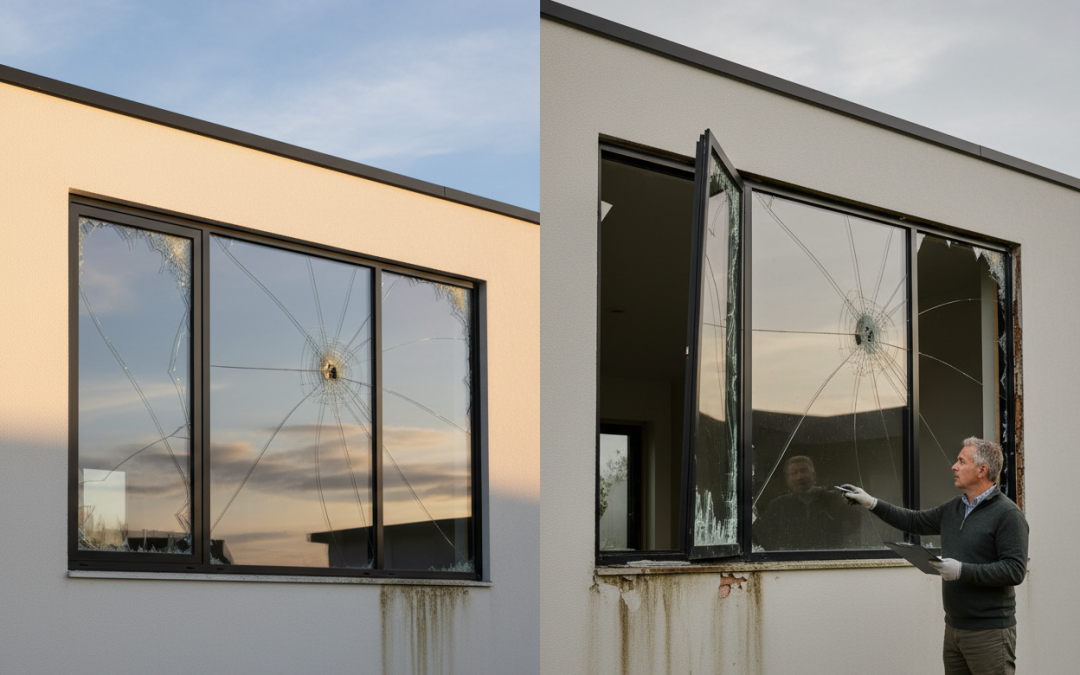
Window Replacement Horror Stories: Lessons from Real Homeowners
Window replacement should be one of those home improvement projects that goes smoothly – after all, you’re upgrading your home’s comfort, energy efficiency, and curb appeal. Unfortunately, that’s not always the case. Every year, thousands of homeowners find themselves dealing with botched installations, shady contractors, and expensive mistakes that could have been avoided with the right knowledge.
If you’re considering replacing your windows, learning from other homeowners’ experiences can save you time, money, and a tremendous amount of stress. These real-world horror stories – and the valuable lessons they teach – will help you navigate your window replacement project successfully.
The $15,000 Nightmare: When Cheap Becomes Expensive
Sarah from Denver thought she’d scored a great deal when a door-to-door salesperson offered to replace all 12 windows in her ranch home for just $8,000. The price seemed too good to pass up, especially since other quotes ranged from $15,000 to $20,000.
Three months later, Sarah discovered why the deal was so good. The windows were poorly manufactured, with seals that failed within the first year. Condensation built up between the glass panes, creating a foggy appearance that blocked her view. Worse yet, the installation was so sloppy that air leaked around every frame, making her heating bills skyrocket.

When Sarah contacted the company for warranty service, she discovered they’d gone out of business. She ended up paying another contractor $15,000 to remove the defective windows and install quality replacements – nearly double what she would have paid initially for a reputable installation.
The Lesson: Extremely low prices are often red flags. Quality windows and professional installation require significant investment in materials and skilled labor. Always research contractors thoroughly, check their business licenses, and verify they’ll be around to honor warranties.
Permit Problems: The Legal Headache Nobody Expects
Mike and Jennifer from Phoenix hired what seemed like a professional contractor to replace their large picture windows with energy-efficient models. The work was completed in two days, and they were thrilled with the results – until they tried to sell their house six months later.
During the home inspection, the buyer’s inspector discovered that no permits had been pulled for the window replacement. The city required them to either obtain retroactive permits (which involved removing drywall to verify proper installation) or replace the windows again with permitted work.
The couple spent an additional $3,000 on permit fees, inspection costs, and drywall repair. The home sale was delayed by three weeks, nearly causing them to lose their buyers.
The Lesson: Always verify that your contractor will pull the necessary permits. While not all window replacements require permits, larger windows, structural changes, or egress window installations typically do. A legitimate contractor will handle this paperwork as part of their service.
The Measurement Mistake That Cost Thousands
Tom from Seattle hired a contractor who came highly recommended by his neighbor. However, when the windows arrived, disaster struck – every single window was the wrong size. Some were too small, leaving gaps that had to be filled with lumber and siding. Others were too large, requiring the contractor to cut into the home’s structure.
The contractor insisted the measurements were correct and blamed the window manufacturer. Meanwhile, Tom’s house sat with plastic sheeting over the window openings for three weeks during Seattle’s rainy season. Water damage to his hardwood floors cost an additional $4,000 to repair.
Eventually, Tom discovered that the contractor had measured from inside the house instead of following proper exterior measurement protocols. The project that should have taken two days stretched into six weeks and cost 40% more than originally quoted.
The Lesson: Insist on being present during the initial measurement process. Ask the contractor to explain their measurement method and verify measurements independently when possible. Professional contractors should measure multiple times and account for settling, square issues, and proper clearances.
Insurance and Liability: When Accidents Happen
Linda from Orlando learned about contractor insurance the hard way when a worker fell from a ladder while installing her second-story windows. The contractor claimed to be insured, but when Linda contacted his insurance company, she discovered his policy had lapsed three months earlier.
The injured worker sued both the contractor and Linda as the property owner. Her homeowner’s insurance covered the lawsuit, but her premiums increased significantly. She also had to pay a $2,500 deductible and deal with months of legal proceedings.
The Lesson: Never assume a contractor is properly insured. Always request certificates of insurance for both general liability and worker’s compensation coverage. Contact the insurance company directly to verify coverage is current and adequate for your project size.
The Energy Efficiency Fraud
Robert and Maria from Chicago were excited about the energy savings promised by their new “super-efficient” windows. The salesperson showed impressive energy ratings and promised their heating bills would drop by 30-40%.
After installation, their energy bills actually increased. When they had an energy audit performed, they discovered the windows had much lower efficiency ratings than advertised. The contractor had switched to cheaper windows without informing them, pocketing the difference.
The couple filed complaints with the Better Business Bureau and their state’s consumer protection agency. While they eventually received a partial refund, the process took over a year and required hiring an attorney.
The Lesson: Verify window specifications in writing before installation begins. Check that the actual windows delivered match the model numbers and efficiency ratings in your contract. Don’t rely solely on verbal promises about energy savings.
Timing Disasters: When Weather Doesn’t Wait
Carol from Minneapolis scheduled her window replacement for early November, trusting her contractor’s assurance that the work would be completed before winter weather arrived. Unfortunately, the contractor was juggling multiple projects and didn’t start Carol’s job until late November.
When an early snowstorm hit with half her windows removed, Carol’s house was exposed to the elements for four days. Snow and ice damaged her furniture, flooring, and interior walls. The contractor disappeared, leaving Carol to find emergency board-up services and deal with extensive water damage repairs.
The Lesson: Plan window replacement projects well in advance of severe weather seasons. Include weather delay clauses in your contract and ensure your contractor has a realistic timeline. Never allow work to begin unless the contractor can complete it quickly or provide adequate weather protection.
Red Flags to Watch For
Based on these horror stories and countless others, here are the warning signs that should make you think twice about a window contractor:
Door-to-door sales tactics with “limited time” offers create artificial urgency. Legitimate contractors don’t need to pressure you into immediate decisions. Requests for full payment upfront are major red flags – reputable contractors typically ask for small deposits and payment upon completion.
Extremely low bids that seem too good to be true usually are. Quality materials and skilled installation have real costs that can’t be drastically undercut without compromising quality. Contractors who can’t provide local references, proper licensing, or insurance documentation should be avoided entirely.
High-pressure sales presentations that last for hours, especially those that won’t let you think it over, are classic signs of questionable business practices. Professional contractors provide detailed written estimates and encourage you to take time making decisions.
How to Protect Yourself
Learning from these homeowners’ mistakes can help you avoid similar problems. Start by researching contractors thoroughly – check online reviews, verify licensing with your state or local authorities, and ask for recent references you can actually contact.
Get multiple detailed written estimates that specify exact window models, installation methods, and project timelines. Never sign contracts immediately, and always read the fine print carefully. Understand warranty coverage for both products and installation work.
Verify that permits will be pulled when required and that the contractor carries adequate insurance. Plan your project timeline carefully, especially in regions with harsh weather seasons. Most importantly, trust your instincts – if something feels wrong, investigate further before proceeding.
Conclusion
Window replacement doesn’t have to be a nightmare, but these real homeowner experiences show how quickly things can go wrong when you’re not prepared. The common thread in most horror stories is homeowners who skipped due diligence in favor of convenience or perceived savings.
Taking time to research contractors, understand the process, and plan carefully can save you from expensive mistakes and legal headaches. Remember that quality window replacement is an investment in your home’s comfort, efficiency, and value – cutting corners on contractor selection or rushing the process often leads to much higher costs in the long run.
By learning from these cautionary tales, you can approach your window replacement project with confidence and achieve the beautiful, energy-efficient results you’re hoping for.
Frequently Asked Questions
Q: How can I verify that a window contractor is legitimate?
A: Check their business license with your state or local licensing board, verify insurance coverage directly with their insurance company, look up their Better Business Bureau rating, and search for online reviews from multiple sources. Ask for and contact recent customer references.
Q: What should be included in a window replacement contract?
A: Your contract should specify exact window models and specifications, installation timeline, permit requirements, cleanup responsibilities, warranty terms for both products and labor, total cost breakdown, and payment schedule. Never sign a contract with blank spaces or verbal-only agreements.
Q: Do I need permits for window replacement?
A: Permit requirements vary by location and project scope. Generally, like-for-like replacements may not require permits, but changing window sizes, adding egress windows, or structural modifications typically do. Check with your local building department or ask your contractor to verify requirements.
Q: How long should window replacement take?
A: Most residential window replacement projects take 1-3 days depending on the number of windows and complexity. Simple replacements might be completed in one day, while full-frame installations or custom windows may take longer. Weather delays should be factored into timelines.
Q: What’s a reasonable payment schedule for window replacement?
A: Reputable contractors typically request a small deposit (10-20%) to order materials, with the majority of payment due upon satisfactory completion. Avoid contractors demanding full payment upfront or unusually large deposits. Payment should be tied to project milestones and completion.
Q: How can I tell if my new windows are properly installed?
A: Properly installed windows should operate smoothly, seal tightly when closed, and show no gaps around the frame. Check that they’re level and square, weatherstripping is intact, and there are no air leaks. Professional installation should also include proper insulation and sealing around the frame.


How much does it cost for vinyl replacement windows Greenville Texas




Home replacement window companies Sunnyvale Texas



Home replacement window cost Balch Springs Texas

Affordable replacement windows Van Alstyne Texas

How much does it cost for vinyl replacement windows Sunnyvale Texas










How much does it cost for vinyl replacement windows Mobile City Texas







Home replacement window companies Collinsville Texas


Best home window replacement Balch Springs Texas





Energy-efficient vinyl windows Colleyville Texas





Energy-efficient vinyl windows Gainesville Texas





Lakewood Dallas TX Replacement Siding For House