
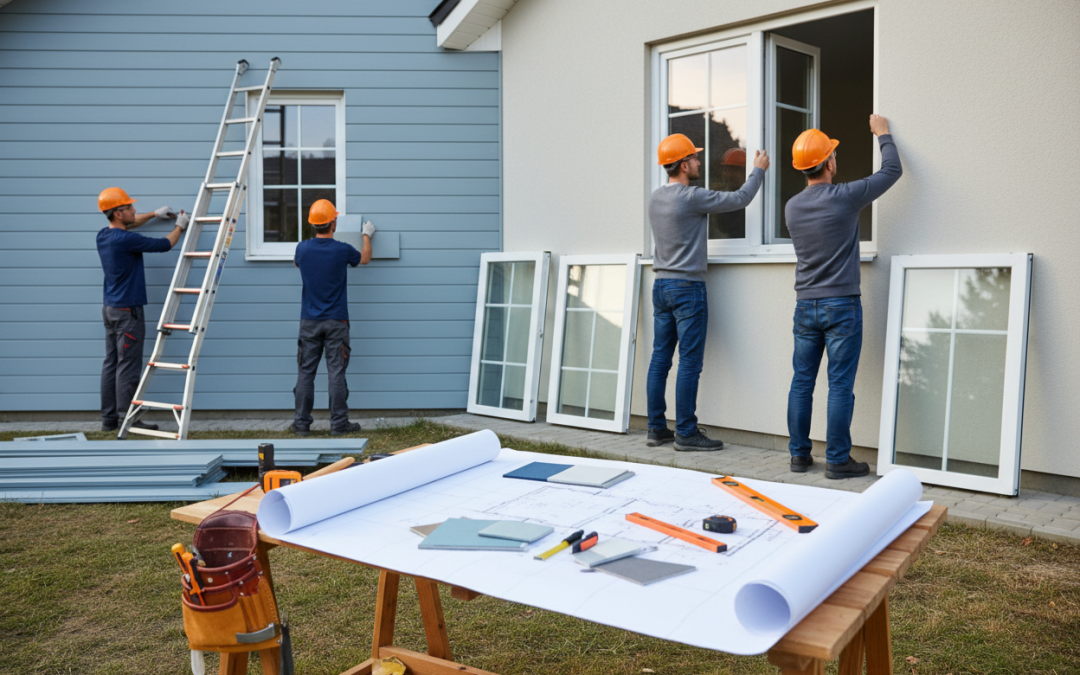
How to Coordinate Window and Siding Replacement Projects: Your Complete Guide to Seamless Home Renovation
Replacing both windows and siding on your home represents one of the most transformative renovations you can undertake. When done together, these projects can dramatically improve your home’s energy efficiency, curb appeal, and overall value. However, coordinating these two major exterior improvements requires careful planning, strategic timing, and smart decision-making to ensure everything goes smoothly.
Many homeowners wonder whether they should tackle window and siding replacement simultaneously or separately. The truth is, when properly coordinated, doing both projects together often saves money, reduces disruption to your daily life, and creates better overall results. Let’s explore how to master this coordination for maximum benefit.

Why Coordinate Window and Siding Replacement Projects?
The decision to coordinate window and siding replacement isn’t just about convenience – it’s about maximizing your investment and achieving superior results. When you replace windows first, then siding, or vice versa, you risk creating gaps in your home’s weather barrier that could lead to moisture problems down the road.
Coordinating these projects allows contractors to properly integrate the window installation with the new siding system, creating seamless weather protection. This integration is particularly important around window trim and flashing, where proper installation prevents water infiltration that could cause expensive damage later.
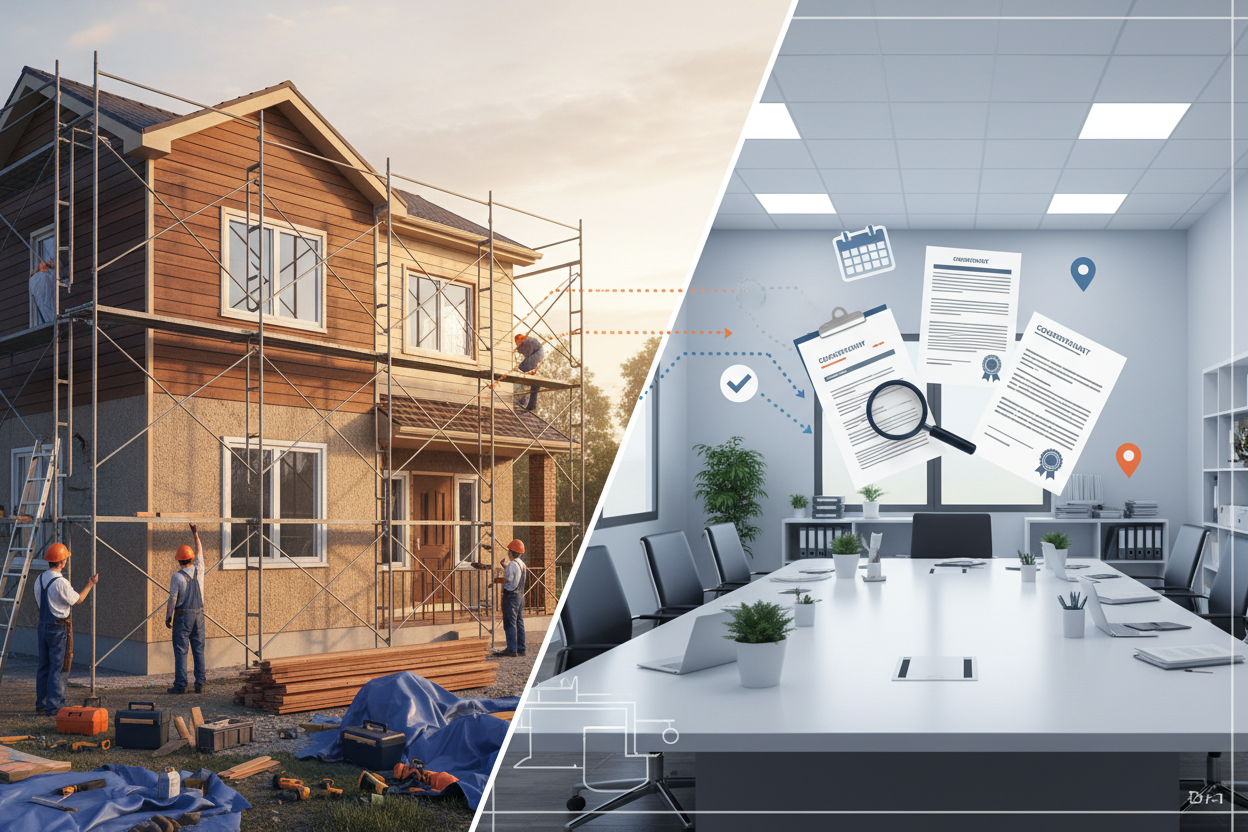
From a financial perspective, bundling these projects often results in cost savings. Contractors can share setup costs, scaffolding expenses, and labor efficiencies when working on both projects simultaneously. Additionally, you’ll only need to obtain permits once and deal with construction disruption for a shorter overall period.
Planning Your Combined Window and Siding Project
Successful coordination begins months before the first contractor arrives at your home. Start by assessing your current windows and siding to determine what needs replacement and what might be salvageable. This assessment should include checking for drafts, moisture damage, and structural issues that could affect your project timeline.
Create a detailed budget that accounts for both projects, including a 10-15% contingency fund for unexpected discoveries. Window and siding replacement often reveals hidden problems like rotted framing or inadequate insulation that need addressing before new materials can be installed.
Research local building codes and permit requirements early in the planning process. Some municipalities have specific requirements for window replacement, especially in historic districts, while siding projects may require structural inspections. Understanding these requirements upfront prevents costly delays later.
Choosing the Right Contractors for Coordinated Projects
The success of your coordinated project heavily depends on selecting contractors who can work together effectively. You have several options: hiring a general contractor who manages both aspects, finding separate specialists who have experience collaborating, or working with a company that handles both windows and siding.
When interviewing potential contractors, ask specifically about their experience with coordinated projects. Request references from recent jobs where they worked alongside other trades or handled both aspects themselves. The best contractors will have established relationships with other professionals and understand the critical timing and sequencing required for successful coordination.
Verify that all contractors carry proper licensing and insurance for both window and siding work. Some states require different licenses for different types of exterior work, so ensure your team is fully qualified for every aspect of your project.
Optimal Timing and Sequencing Strategies
The sequence of window and siding replacement can significantly impact your project’s success. Generally, windows should be installed first, followed by siding. This approach allows the siding to be properly fitted around the new window frames and ensures optimal weather sealing.
However, the specific sequence may vary depending on your home’s construction and the types of materials being used. For example, if you’re installing new construction windows that require framing modifications, this work might need to happen before any siding removal begins.
Weather plays a crucial role in timing coordination. Plan your project for your area’s most favorable weather season, typically late spring through early fall in most climates. This timing minimizes weather-related delays and ensures optimal working conditions for proper material installation.
Allow for flexibility in your timeline. Coordinated projects often take 15-20% longer than anticipated due to the complexity of managing multiple trades and ensuring proper integration between systems.
Material Selection and Compatibility Considerations
Choosing compatible materials for your windows and siding is crucial for both aesthetic appeal and long-term performance. Consider how different materials expand and contract with temperature changes, as mismatched expansion rates can create gaps or stress points over time.
When selecting window styles, think about how they’ll integrate with your chosen siding material. Vinyl siding pairs well with vinyl windows but may require special trim pieces for other window materials. Fiber cement siding offers more flexibility in window material choices but requires careful attention to flashing details.
Color coordination between windows and siding creates visual harmony and can significantly impact your home’s curb appeal. Many manufacturers offer coordinated color palettes specifically designed for exterior applications. Consider both current design trends and timeless appeal when making color selections.
Managing Communication Between Multiple Contractors
Effective communication is the backbone of successful project coordination. Establish clear communication protocols from the beginning, including regular check-in meetings and a shared project timeline that all parties can access and update.
Designate a single point of contact – either yourself or a general contractor – to coordinate between the window and siding teams. This person should understand both aspects of the project and be available to make quick decisions when coordination issues arise.
Document everything. Take photos before, during, and after each phase of work. Keep detailed records of material deliveries, work completed, and any changes to the original plan. This documentation proves invaluable if disputes arise or warranty claims need to be filed later.
Budget Planning and Cost Optimization Tips
Coordinating window and siding replacement can offer significant cost savings, but only with careful budget planning. Start by getting detailed quotes for both projects separately, then negotiate package pricing for the combined work.
Look for opportunities to share costs between projects. Scaffolding, permits, and debris removal are expenses that can often be split between window and siding work. Some contractors offer package discounts when you commit to both projects simultaneously.
Consider the timing of material purchases carefully. Buying windows and siding materials at the same time may qualify you for volume discounts, but ensure you have adequate storage space and that materials won’t be damaged by weather exposure during the construction process.
Don’t forget to factor in the cost of temporary weather protection. During the transition period when old materials are removed but new ones aren’t yet installed, your home will need temporary protection from the elements.
Quality Control and Project Oversight
Maintaining quality control across coordinated projects requires vigilant oversight and clear quality standards. Establish inspection checkpoints at critical phases, such as after window installation but before siding begins, and after siding installation around windows.
Pay special attention to flashing and weather barrier installation around windows. This is where most water infiltration problems originate, and proper installation requires coordination between window and siding installers. Don’t hesitate to ask questions or request explanations of installation techniques.
Conduct regular walk-throughs with your contractors to identify and address issues before they become major problems. Small adjustments during installation are much easier and less expensive than corrections after project completion.
Common Challenges and How to Avoid Them
Weather delays represent one of the most common challenges in coordinated exterior projects. Build buffer time into your schedule and have contingency plans for weather protection if delays occur. Consider renting temporary weather barriers if extended delays are possible.
Material delivery coordination can become complex when managing multiple suppliers and installation schedules. Create a detailed delivery schedule that accounts for storage space and installation sequence. Ensure materials arrive just-in-time to minimize weather exposure and job site clutter.
Discovering unexpected structural issues is common in older homes. Budget for potential surprises like rotted framing, inadequate insulation, or electrical updates that may be required when walls are opened up for window installation.
Maximizing Energy Efficiency Through Coordination
Coordinated window and siding replacement offers unique opportunities to maximize your home’s energy efficiency. This is the perfect time to upgrade insulation, install continuous air barriers, and eliminate thermal bridges that waste energy.
Work with your contractors to ensure proper integration between your new windows and wall insulation system. Advanced techniques like installing continuous exterior insulation during siding replacement can dramatically improve your home’s thermal performance.
Consider upgrading to high-performance windows that complement your new siding’s thermal properties. The investment in premium windows often pays for itself through energy savings, especially when combined with improved wall assembly performance.
Coordinating window and siding replacement projects requires careful planning, clear communication, and attention to detail, but the results are worth the effort. When done properly, this coordination creates a more energy-efficient, attractive, and valuable home while often saving money compared to tackling these projects separately.
Remember that successful coordination is about more than just timing – it’s about creating an integrated building envelope that performs better than the sum of its parts. Take time to plan thoroughly, choose experienced contractors, and maintain active oversight throughout the process. Your patience and diligence will be rewarded with a beautiful, efficient home that serves you well for decades to come.
Frequently Asked Questions
Should windows or siding be installed first?
Generally, windows should be installed first, followed by siding. This sequence allows the siding to be properly fitted around window frames and ensures better weather sealing. However, specific sequencing may vary based on your home’s construction and materials being used.
How much money can I save by coordinating these projects?
Homeowners typically save 10-15% on total project costs by coordinating window and siding replacement. Savings come from shared setup costs, scaffolding expenses, permits, and labor efficiencies. The exact savings depend on your project’s scope and local labor costs.
How long does a coordinated window and siding project take?
Most coordinated projects take 2-4 weeks for average-sized homes, depending on the scope of work and weather conditions. Complex projects or those involving structural repairs may take longer. Plan for 15-20% longer than initial estimates to account for coordination requirements.
Can I live in my home during the replacement process?
Yes, most homeowners can remain in their homes during exterior window and siding replacement. However, expect some disruption from noise, dust, and temporary loss of natural light. Discuss specific concerns with your contractors to plan accordingly.
What permits are required for coordinated window and siding replacement?
Permit requirements vary by location, but most areas require permits for window replacement and may require permits for siding replacement depending on the scope. Check with your local building department early in the planning process to understand specific requirements and processing times.
How do I ensure proper weather protection during the project?
Professional contractors should provide temporary weather protection during material transitions. This typically includes plastic sheeting, tarps, and temporary barriers. Discuss weather protection plans upfront and ensure contractors have contingency plans for unexpected weather events.







Affordable home window replacement Copeville Texas





Affordable home window replacement Colleyville Texas









Affordable home window replacement Valley View Texas







How much does it cost for vinyl replacement windows Colleyville Texas




How much does it cost for vinyl replacement windows Addison Texas


Window replacement near me in Highland Park Texas




How much does it cost for vinyl replacement windows Copeville Texas

How much does it cost for vinyl replacement windows Merit Texas



Home window replacement near me Duncanville Texas













Mesquite TX Replacement Siding Installation Services