How to Evaluate Siding Replacement Material Quality: A Complete Homeowner’s Guide
When it comes to replacing your home’s siding, the quality of materials you choose can make or break your investment. I’ve seen countless homeowners rush into siding replacement decisions, only to face costly repairs and replacements just a few years down the road. The truth is, not all siding materials are created equal, and knowing how to evaluate their quality can save you thousands of dollars and years of headaches.
Whether you’re dealing with damaged vinyl siding, rotting wood panels, or simply want to upgrade your home’s exterior, understanding material quality is crucial. This comprehensive guide will walk you through everything you need to know about evaluating siding replacement materials, from understanding different material types to spotting quality indicators that separate premium products from budget alternatives.
Understanding Different Siding Material Types
Before diving into quality evaluation, it’s essential to understand the main types of siding materials available today. Each material has unique characteristics, benefits, and quality markers that you should consider.
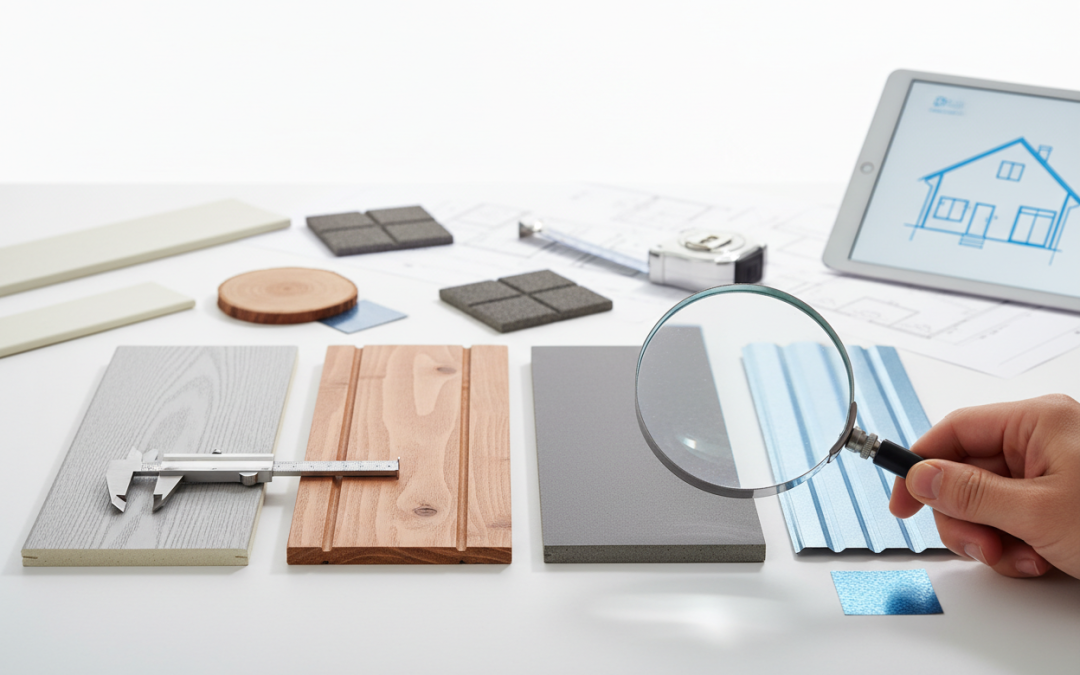
Vinyl siding remains the most popular choice for many homeowners due to its affordability and low maintenance requirements. However, vinyl quality varies dramatically between manufacturers. High-quality vinyl siding features thicker panels, better color retention, and superior impact resistance compared to cheaper alternatives.
Fiber cement siding has gained popularity as a durable, fire-resistant option that mimics the appearance of wood without the maintenance concerns. Quality fiber cement products offer excellent weather resistance and can last decades with proper installation.
Wood siding continues to appeal to homeowners seeking natural beauty and traditional aesthetics. The quality of wood siding depends heavily on the species, grade, and treatment processes used during manufacturing.
Metal siding, including aluminum and steel options, provides exceptional durability and modern appeal. Quality metal siding features proper coating systems that prevent corrosion and maintain appearance over time.
Key Quality Indicators to Look For
When evaluating siding replacement materials, several key indicators can help you identify high-quality products that will stand the test of time.
Thickness plays a crucial role in material durability and performance. For vinyl siding, look for panels that measure at least 0.040 inches thick. Thicker materials resist warping, cracking, and impact damage better than thin alternatives. You can often feel the difference in quality just by handling different samples.
Color consistency and fade resistance are critical quality markers, especially for materials exposed to intense sunlight. High-quality siding materials use advanced pigment systems and UV inhibitors to maintain their appearance for decades. Ask manufacturers about their fade warranties and color retention testing results.
Surface texture and finish quality indicate the level of manufacturing precision and attention to detail. Premium siding materials feature consistent textures, smooth finishes, and realistic wood grain patterns when applicable. Avoid materials with visible imperfections, uneven surfaces, or cheap-looking finishes.
Evaluating Material Durability and Weather Resistance
Your siding replacement materials must withstand whatever Mother Nature throws at them. Evaluating durability and weather resistance requires looking beyond surface appearances to understand how materials perform under stress.
Impact resistance testing results provide valuable insights into material quality. High-quality siding materials undergo rigorous testing to simulate hail damage, flying debris, and other impact scenarios. Look for materials that meet or exceed industry standards for impact resistance in your climate zone.
Thermal expansion and contraction properties affect how well siding materials maintain their appearance and structural integrity through temperature changes. Quality materials feature engineered expansion joints and fastening systems that accommodate thermal movement without causing buckling or gaps.
Moisture resistance capabilities vary significantly between different siding materials and quality levels. Premium products incorporate moisture barriers, proper drainage systems, and water-resistant coatings that prevent water infiltration and related damage.
Manufacturer Reputation and Warranty Considerations
The manufacturer behind your siding materials matters just as much as the materials themselves. Established manufacturers with strong reputations typically invest more in research, development, and quality control processes.
Research manufacturer history and track record in the siding industry. Companies that have been producing siding materials for decades often have refined their manufacturing processes and understand what works in real-world applications. Look for manufacturers with positive reviews from contractors and homeowners alike.
Warranty coverage provides important insights into manufacturer confidence in their products. Quality siding materials typically come with comprehensive warranties covering material defects, color fading, and performance issues. However, read warranty terms carefully, as coverage can vary significantly between products and manufacturers.
Customer service and support quality become crucial when issues arise or you need technical assistance. Choose manufacturers known for responsive customer service and readily available technical support. This support can prove invaluable during installation or if problems develop later.
Installation Requirements and Compatibility
Even the highest-quality siding materials can fail if not installed properly or if they’re incompatible with your home’s existing structure and climate conditions.
Installation complexity varies between different siding materials and quality levels. Some premium materials require specialized installation techniques or tools that may increase labor costs. Factor these requirements into your overall project budget and timeline considerations.
Compatibility with existing house wrap, insulation, and structural elements affects both performance and installation success. Quality siding manufacturers provide detailed installation guidelines and compatibility information to ensure optimal results.
Climate-specific considerations play a major role in material selection and quality evaluation. Materials that perform well in dry climates may not be suitable for humid or coastal environments. Choose materials specifically designed and tested for your local climate conditions.
Cost vs. Quality Analysis
While cost shouldn’t be the only factor in your decision, understanding the relationship between price and quality helps you make informed choices that provide the best long-term value.
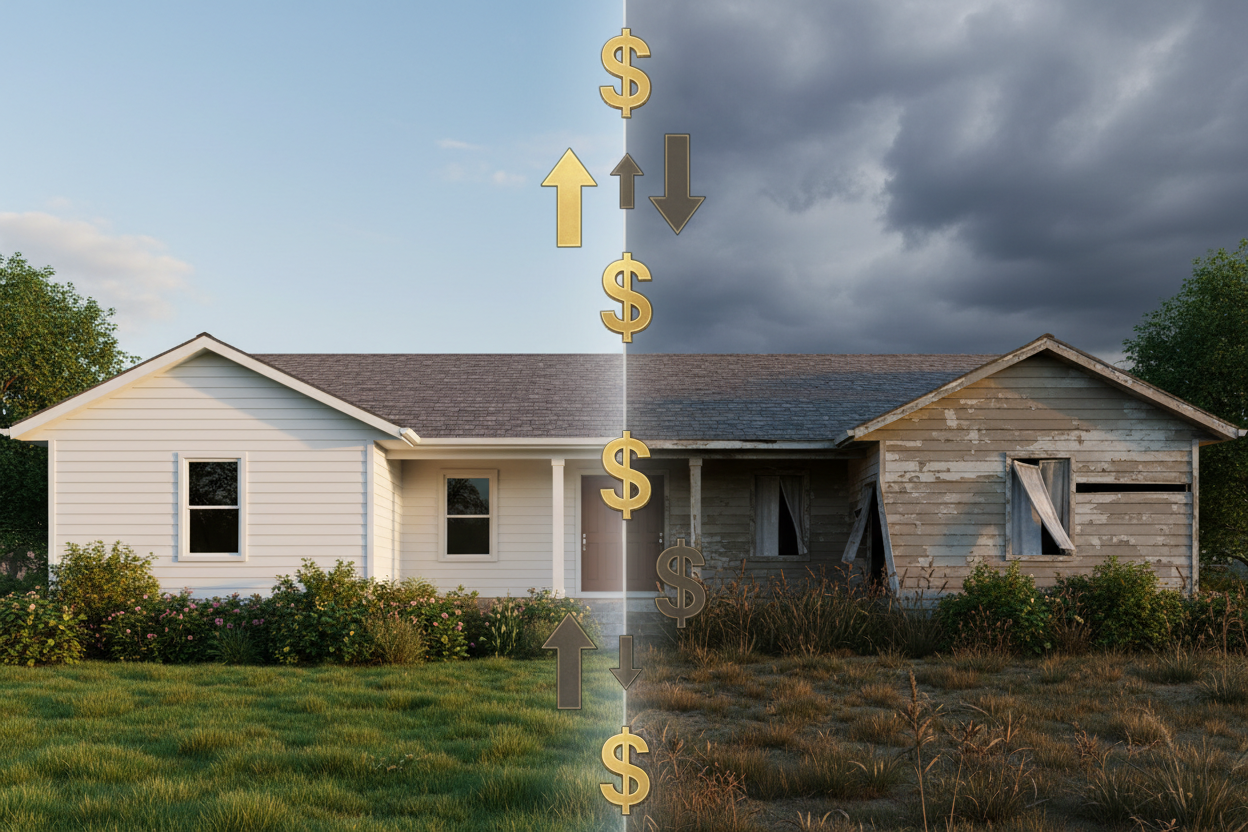
Initial material costs represent just one component of your total investment. Higher-quality materials often cost more upfront but can provide significant savings through reduced maintenance, longer lifespan, and better energy efficiency. Calculate the total cost of ownership over the expected material lifespan.
Long-term value considerations include maintenance requirements, replacement frequency, and impact on home value. Premium siding materials typically require less maintenance and last longer than budget alternatives, potentially saving money over time.
Hidden costs can significantly impact your project budget. Lower-quality materials may require additional preparation work, specialized fasteners, or more frequent maintenance that adds to the total cost. Factor these potential expenses into your quality evaluation process.
Red Flags to Avoid When Choosing Siding Materials
Recognizing warning signs of poor-quality siding materials can save you from costly mistakes and disappointing results.
Unusually low prices often indicate compromised quality, inferior materials, or manufacturing shortcuts. While everyone wants a good deal, prices significantly below market average should raise red flags about material quality or manufacturer reliability.
Limited or unclear warranty coverage suggests manufacturer uncertainty about product performance. Avoid materials with vague warranty terms, excessive exclusions, or coverage periods that seem inadequate for the material type.
Poor sample quality or inconsistent product information indicates potential manufacturing or quality control issues. If samples show visible defects, inconsistent coloring, or feel flimsy, the full-size materials likely have similar problems.
Conclusion
Evaluating siding replacement material quality requires careful consideration of multiple factors, from material thickness and durability to manufacturer reputation and warranty coverage. By taking the time to thoroughly research and evaluate your options, you can choose materials that will protect and beautify your home for decades to come.
Remember that the cheapest option rarely provides the best long-term value, while the most expensive materials aren’t always necessary for your specific situation. Focus on finding materials that offer the right balance of quality, performance, and value for your home’s needs and your budget constraints.
Investing in high-quality siding materials and professional installation will pay dividends through improved curb appeal, enhanced weather protection, and reduced maintenance requirements. Take your time, ask questions, and don’t hesitate to request samples or references before making your final decision.
Frequently Asked Questions
How can I tell if vinyl siding is high quality?
High-quality vinyl siding typically measures at least 0.040 inches thick, features consistent color throughout the material (not just surface coating), and includes UV inhibitors for fade resistance. Quality vinyl should feel sturdy and rigid, not flimsy or thin.
What’s the most durable siding material for harsh weather conditions?
Fiber cement and steel siding generally offer the best durability for harsh weather conditions. Both materials resist impact damage, extreme temperatures, and moisture better than vinyl or wood alternatives.
How important is the manufacturer’s warranty when choosing siding?
Manufacturer warranties are very important as they indicate confidence in product quality and provide protection against defects. Look for warranties of at least 20-30 years for premium materials, with clear coverage for both material defects and color fading.
Should I always choose the thickest siding material available?
While thickness generally indicates better quality and durability, you should balance thickness with other factors like cost, appearance, and climate requirements. The thickest option isn’t always necessary for every application.
How do I verify a siding manufacturer’s reputation?
Research manufacturer reputation through online reviews, Better Business Bureau ratings, industry associations, and recommendations from local contractors. Look for companies with long track records and positive feedback from both professionals and homeowners.
What questions should I ask siding material suppliers?
Ask about material thickness, testing certifications, warranty details, installation requirements, climate suitability, and maintenance needs. Request samples and documentation to verify quality claims and compare different options effectively.


How much does it cost for vinyl replacement windows Ferris Texas

Affordable replacement windows Preston Hollow Dallas Texas



Affordable home window replacement Quinlan Texas


How much does it cost for vinyl replacement windows Ector Texas
























Window replacement near me in Flower Mound Texas

















Preston Hollow Dallas TX Siding Replacement Cost









Lowry Crossing TX Replacement Siding Installation Services