
Window Replacement and Building Envelope Performance: Your Complete Guide to Energy-Efficient Home Upgrades
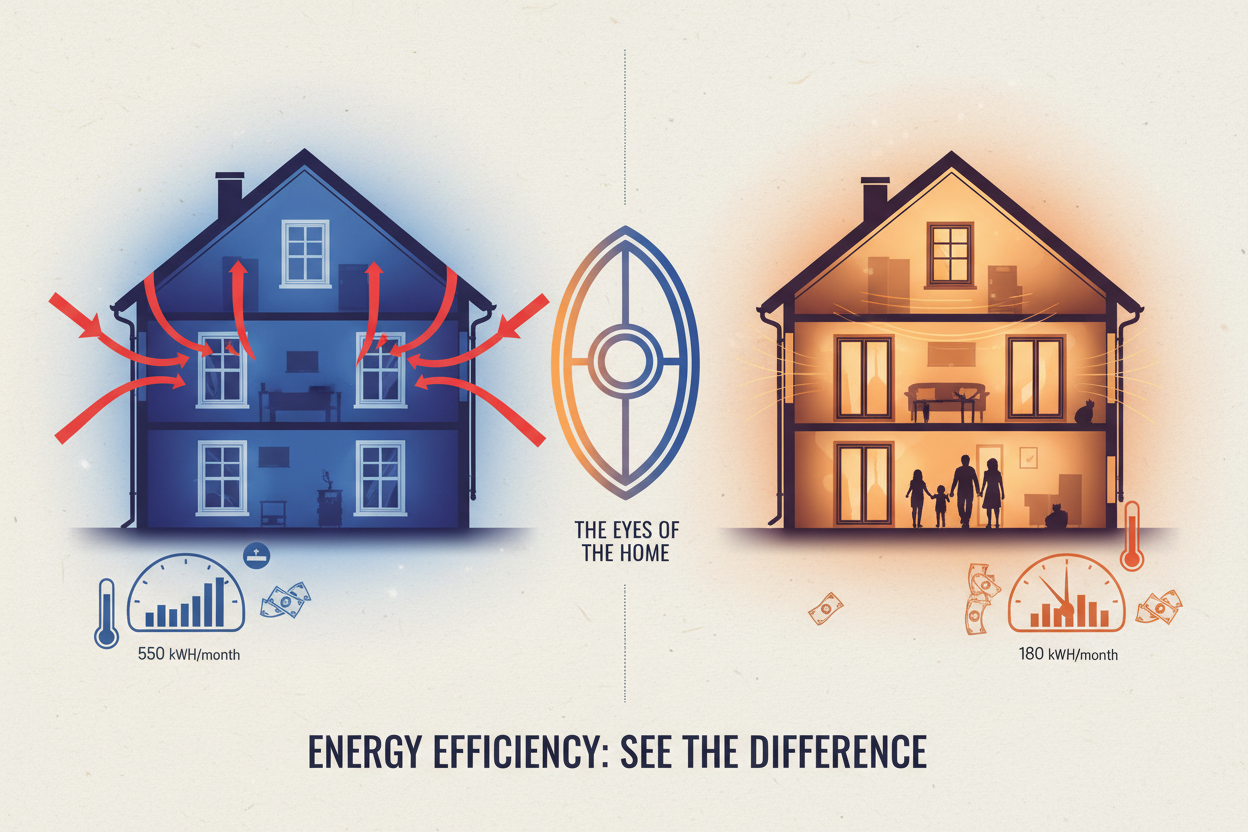
When I first started working with homeowners on energy efficiency projects, I was amazed by how often windows became the focal point of our conversations. It makes perfect sense when you think about it – windows are literally the eyes of your home, and just like our eyes, they can reveal a lot about what’s happening inside. But beyond aesthetics, windows play a crucial role in your building’s envelope performance, affecting everything from your monthly energy bills to your family’s comfort.
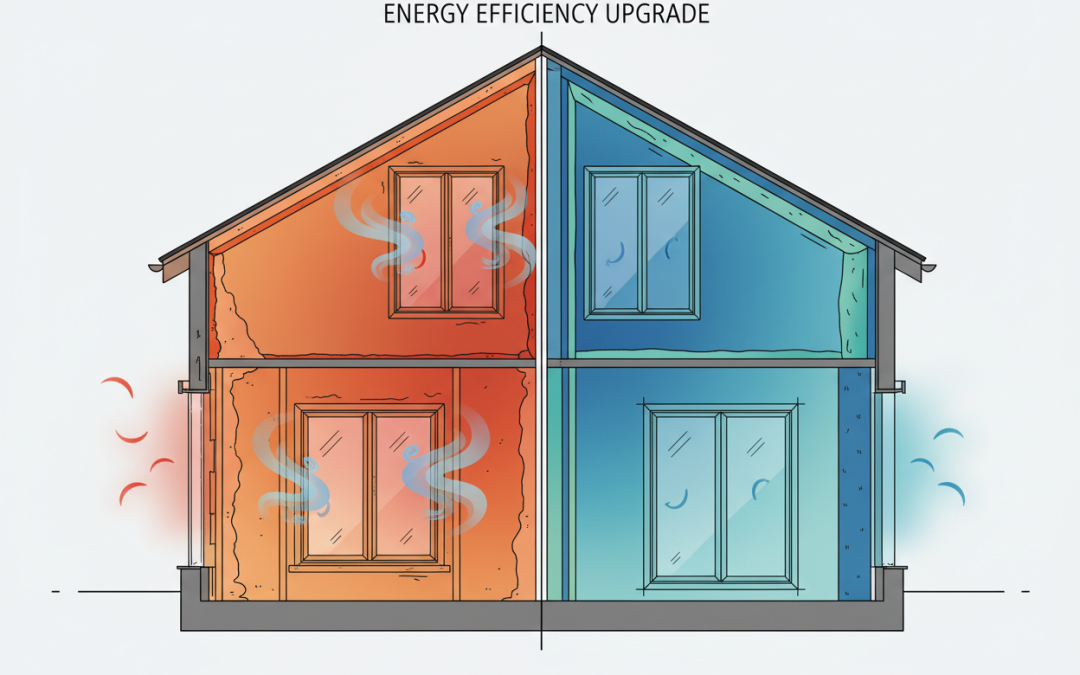
The relationship between window replacement and building envelope performance is more complex than many homeowners realize. Your building envelope – essentially the barrier between your home’s interior and the outside environment – works as an integrated system. When one component fails or underperforms, it can create a domino effect that impacts your entire home’s efficiency and comfort levels.
Understanding Building Envelope Performance and Energy Efficiency
Think of your building envelope as your home’s protective shell. It includes your roof, walls, foundation, doors, and yes – your windows. This envelope serves multiple critical functions: it keeps conditioned air inside, prevents unwanted air infiltration, manages moisture transfer, and maintains structural integrity against weather elements.
Windows represent one of the most vulnerable points in this protective barrier. While walls might have R-values ranging from R-13 to R-30 or higher, even high-performance windows typically max out around R-5 to R-7. This significant difference means that windows can become thermal bridges – areas where heat transfer occurs more readily than through surrounding materials.
The performance of your building envelope directly impacts your home’s energy consumption, indoor air quality, and overall comfort. Poor envelope performance can lead to drafts, temperature inconsistencies, moisture problems, and unnecessarily high utility bills. In extreme cases, it can even contribute to structural issues over time.
Signs Your Windows Are Compromising Building Performance
During my years in the field, I’ve learned to spot the telltale signs that windows are negatively impacting a home’s envelope performance. These indicators often develop gradually, which is why many homeowners don’t immediately connect their comfort issues to window problems.
Drafts around window frames are perhaps the most obvious sign. If you can feel air movement near your windows, even when they’re closed, you’re experiencing air infiltration. This not only affects comfort but forces your heating and cooling systems to work harder to maintain desired temperatures.
Condensation issues provide another clear indicator of window performance problems. While some condensation is normal during extreme temperature differences, persistent moisture on window surfaces or between glass panes suggests seal failures or inadequate insulation properties. This moisture can lead to mold growth and structural damage over time.
Temperature variations near windows also signal envelope performance issues. If areas near your windows feel noticeably warmer or cooler than the rest of the room, your windows aren’t effectively managing heat transfer. This creates uncomfortable microclimates within your living spaces and indicates energy waste.
Visible deterioration of window components – such as cracked glazing, warped frames, or damaged weatherstripping – compromises the window’s ability to maintain an effective seal. Even small gaps can significantly impact your building’s overall envelope performance.
Modern Window Technologies for Enhanced Envelope Performance
The window industry has made remarkable advances in recent years, developing technologies that dramatically improve building envelope performance. Understanding these options helps homeowners make informed decisions about window replacement projects.
Low-emissivity (Low-E) coatings represent one of the most significant technological improvements. These microscopic metallic coatings reflect infrared energy while allowing visible light to pass through. Different Low-E formulations target specific climate needs – some designed to keep heat in during winter, others to reflect heat away during summer.
Multiple-pane glazing systems have become increasingly sophisticated. While double-pane windows were once considered premium, triple-pane options are now widely available and offer superior insulation properties. The spaces between panes can be filled with inert gases like argon or krypton, which provide better insulation than regular air.
Advanced frame materials also contribute significantly to envelope performance. Modern vinyl, fiberglass, and composite frames offer excellent thermal properties and durability. Some manufacturers now incorporate thermal breaks – barriers that interrupt heat conduction through frame materials – further enhancing energy efficiency.
Warm-edge spacer technology addresses heat transfer at the glass edge, where traditional aluminum spacers created thermal bridges. Modern spacers use materials with lower conductivity, reducing heat loss and improving overall window performance.
The Window Replacement Process and Envelope Integration
Proper window replacement involves much more than simply swapping old units for new ones. The installation process must consider how windows integrate with other envelope components to maintain optimal performance.
Professional installers begin by carefully removing existing windows while preserving the integrity of surrounding wall systems. This often reveals hidden issues like inadequate insulation, air sealing problems, or moisture damage that must be addressed before new window installation.
Air sealing around the window frame is crucial for envelope performance. Quality installations include comprehensive weatherization measures, such as expanding foam insulation, weatherstripping, and vapor barriers. These details might seem minor, but they significantly impact the window’s contribution to overall building performance.
Flashing installation protects against water infiltration, which can compromise both the window and surrounding wall systems. Proper flashing creates a continuous moisture barrier that integrates with your home’s weather-resistant barrier system.
The connection between window frames and wall systems must accommodate building movement while maintaining air and moisture seals. Professional installers understand these requirements and use appropriate materials and techniques to ensure long-term performance.
Measuring and Optimizing Building Envelope Performance
Quantifying building envelope performance helps homeowners understand the impact of window replacement projects and identify additional improvement opportunities. Several measurement approaches provide valuable insights into your home’s efficiency.
Blower door testing measures air leakage throughout your building envelope. This diagnostic tool pressurizes or depressurizes your home to identify air infiltration points and quantify overall tightness. Window replacement often significantly improves blower door test results, demonstrating enhanced envelope performance.
Thermal imaging cameras reveal temperature differences across your building envelope, highlighting areas where heat transfer occurs. These images can show how new windows compare to old ones and identify other envelope components that might need attention.
Energy modeling software can predict how window replacement will impact your home’s overall energy consumption. These calculations consider your local climate, home orientation, and existing envelope characteristics to estimate potential savings.
Utility bill analysis provides real-world feedback on envelope performance improvements. Comparing energy usage before and after window replacement helps validate the project’s effectiveness and identify seasonal performance patterns.
Cost-Benefit Analysis of Window Replacement for Building Performance
Understanding the financial implications of window replacement helps homeowners make informed decisions about building envelope improvements. The cost-benefit equation involves multiple factors beyond simple energy savings.
Energy cost savings represent the most quantifiable benefit of window replacement. Depending on your existing windows’ condition and your local energy costs, annual savings can range from hundreds to thousands of dollars. These savings compound over time, often justifying the initial investment within 10-15 years.
Comfort improvements, while harder to quantify financially, significantly impact quality of life. Eliminating drafts, reducing temperature variations, and minimizing outside noise create tangible benefits that many homeowners value highly.
Property value increases often accompany window replacement projects. Real estate professionals consistently report that energy-efficient windows appeal to buyers and can increase home values by more than the project cost in many markets.
Maintenance cost reductions shouldn’t be overlooked. Modern windows require less upkeep than older units, saving time and money on painting, caulking, and repairs. Some warranty programs also provide long-term protection against component failures.
Utility rebates and tax incentives can significantly offset window replacement costs. Many utility companies offer rebates for energy-efficient window installations, and federal tax credits may apply to qualifying products.
Frequently Asked Questions
How long do modern energy-efficient windows typically last?
Quality modern windows can last 20-30 years or more with proper maintenance. The exact lifespan depends on factors like material quality, installation quality, local climate conditions, and maintenance practices. Many manufacturers offer warranties of 10-20 years on various components.
Can I replace just a few windows, or should I do the whole house at once?
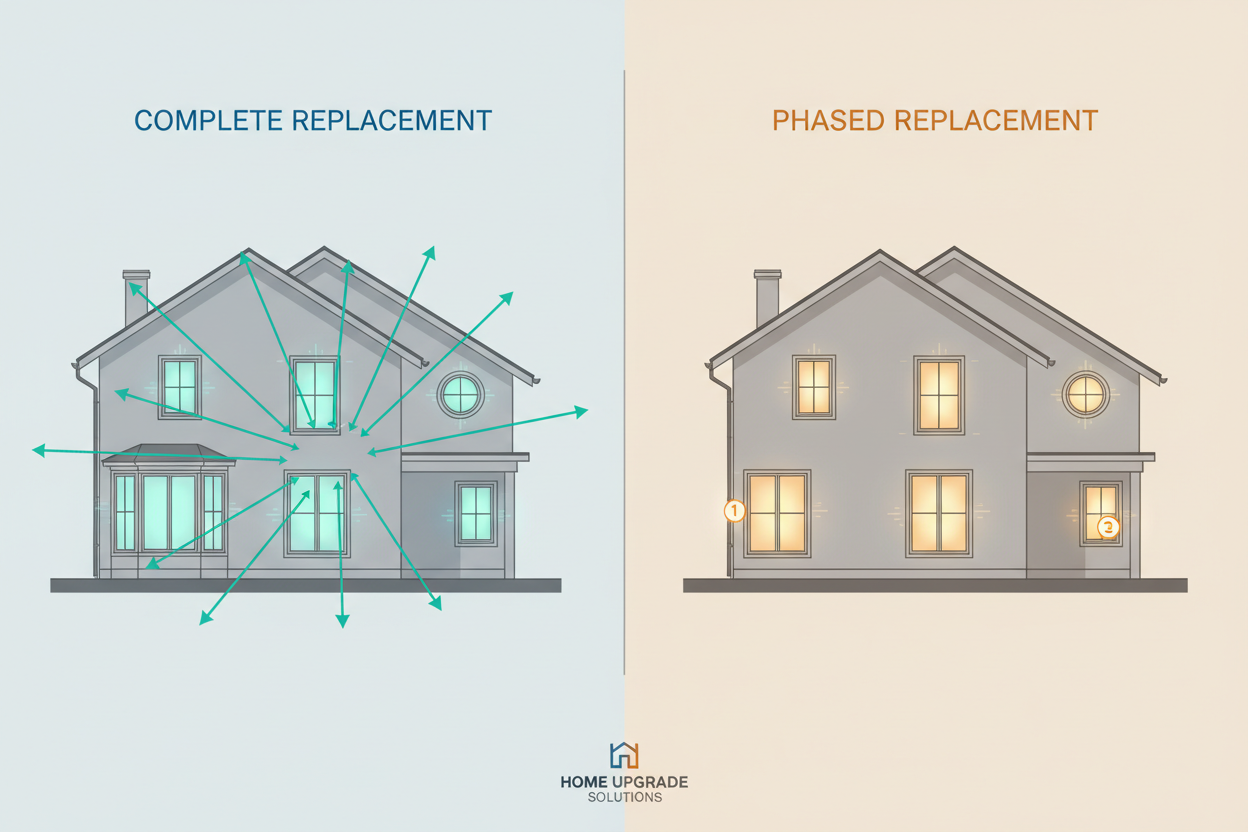
While replacing all windows at once provides the most comprehensive envelope performance improvement, phased replacement can work well too. Many homeowners prioritize windows on the most problematic sides of their homes or focus on the most frequently used living areas first.
What’s the difference between retrofit and new construction windows?
Retrofit windows are designed to fit into existing window openings with minimal structural modification, while new construction windows include a nailing flange for installation in new wall systems. Most replacement projects use retrofit windows to minimize construction complexity and costs.
How do I know if my current windows can be repaired instead of replaced?
Windows with minor issues like damaged weatherstripping or loose hardware can often be repaired cost-effectively. However, windows with failed seals, rotted frames, or significant air infiltration problems typically require replacement to achieve optimal envelope performance.
What window features matter most for building envelope performance?
The most important features for envelope performance include low U-factors (measuring heat transfer), low air leakage ratings, appropriate solar heat gain coefficients for your climate, and quality installation. Frame material and glazing technology also significantly impact performance.
How soon will I see energy savings after window replacement?
Energy savings typically begin immediately after installation, though the most noticeable impacts may occur during extreme weather conditions. You should see reduced energy bills within the first full heating or cooling season after installation.
Window replacement represents one of the most impactful improvements you can make to your building envelope performance. By understanding how windows integrate with your home’s overall efficiency system, you can make informed decisions that enhance comfort, reduce energy costs, and improve your property’s long-term value. Whether you’re dealing with drafty old windows or simply looking to optimize your home’s performance, modern window technologies offer solutions that can transform your living experience while supporting your environmental and financial goals.







Vinyl replacement windows North Richland Hills Texas

















How much does it cost for vinyl replacement windows Gainesville Texas

Affordable home window replacement Van Alstyne Texas














How much does it cost for vinyl replacement windows Flower Mound Texas













Lakewood Dallas TX Estimate For Siding Replacement