
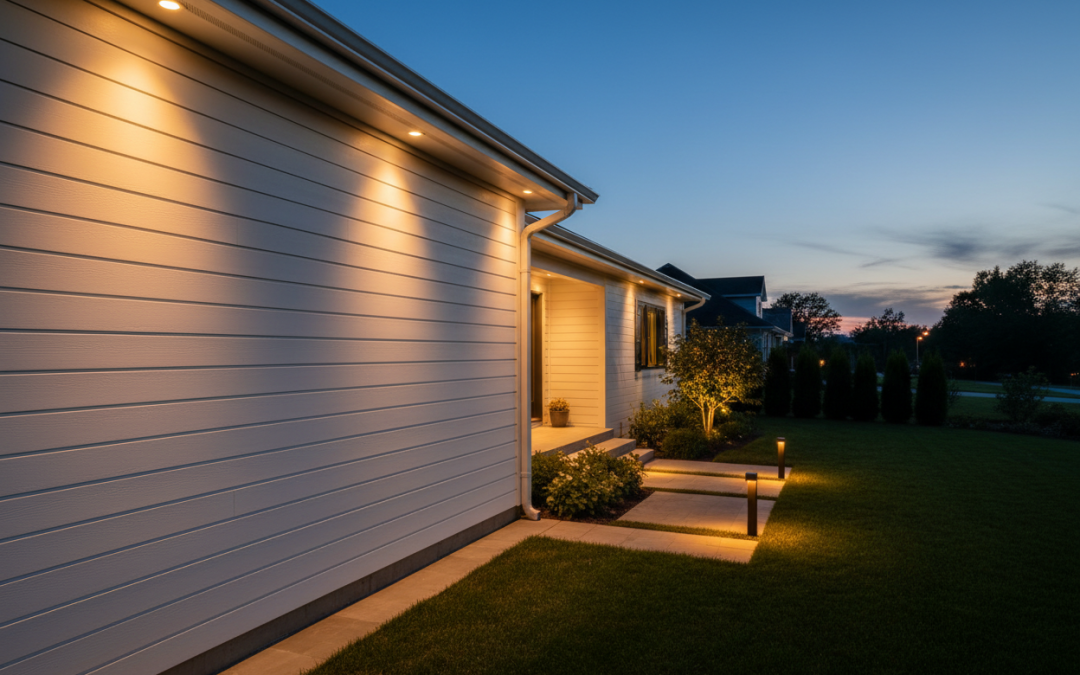
Siding Replacement and Exterior Lighting: Integration Strategies for a Stunning Home Makeover
When it comes to home improvement projects, few combinations pack as much punch as siding replacement paired with strategic exterior lighting upgrades. I’ve seen countless homeowners transform their properties from ordinary to extraordinary by thoughtfully integrating these two elements. The magic happens when you plan both projects together, creating a cohesive design that enhances your home’s curb appeal while boosting functionality and security.
Whether you’re dealing with aging vinyl siding that’s seen better days or simply want to modernize your home’s exterior, combining your siding replacement with a lighting upgrade is one of the smartest investments you can make. Not only does this approach save time and money, but it also ensures that your new exterior elements work harmoniously together to create the perfect ambiance for your outdoor spaces.
Why Timing Your Siding and Lighting Projects Together Makes Sense
Planning your siding replacement and exterior lighting installation as a coordinated project offers numerous advantages that go beyond simple convenience. First and foremost, you’ll have easier access to electrical connections and mounting points while the old siding is removed. This accessibility can significantly reduce installation costs and minimize potential damage to your new siding materials.
From a design perspective, simultaneous planning allows you to create a unified aesthetic vision. You can select siding colors and textures that complement your chosen lighting fixtures, ensuring that every element works together to enhance your home’s architectural features. Additionally, coordinating these projects helps you avoid the disruption of multiple construction phases, getting your exterior renovation completed more efficiently.
The financial benefits are equally compelling. Many contractors offer package deals when you bundle siding and electrical work, and you’ll only need to rent scaffolding or lifts once. Plus, addressing both projects simultaneously often qualifies for better financing options or contractor discounts that can substantially reduce your overall investment.
Essential Pre-Planning Considerations for Integrated Projects
Before diving into your siding and lighting project, thorough planning is crucial for success. Start by assessing your home’s current electrical infrastructure. Older homes may require electrical panel upgrades or additional circuits to support new lighting installations safely. It’s worth having a qualified electrician evaluate your system early in the planning process.
Consider your local building codes and permit requirements as well. Most municipalities require permits for both siding replacement and significant electrical work. Understanding these requirements upfront prevents costly delays and ensures your project meets all safety standards. Some areas have specific regulations about exterior lighting placement and brightness levels, particularly if your home is close to neighbors or in a historic district.
Weather timing plays a significant role in project success. Plan your integrated renovation during favorable weather conditions when both siding installation and electrical work can proceed safely. Spring and early fall typically offer the most predictable conditions for exterior projects, though regional climate variations should guide your specific timing decisions.
Smart Siding Material Choices That Enhance Lighting Integration
Your siding material selection significantly impacts how well exterior lighting integrates with your home’s overall design. Fiber cement siding has become increasingly popular for homeowners planning lighting upgrades because it provides excellent mounting stability for fixtures while offering superior durability and low maintenance requirements.
Vinyl siding remains a cost-effective option, but requires careful consideration for lighting placement. Modern vinyl products offer improved strength and color retention, making them suitable for most residential lighting applications. However, you’ll need to ensure proper backing and mounting techniques to prevent fixture loosening over time.
Natural materials like wood or stone siding create stunning backdrops for exterior lighting, particularly when you want to highlight architectural details or create dramatic shadow effects. These materials often require specialized mounting hardware and weatherproofing techniques, but the results can be absolutely spectacular when properly executed.
Metal siding, including steel and aluminum options, provides excellent durability and modern aesthetic appeal. These materials work particularly well with contemporary lighting designs and offer superior longevity in harsh weather conditions. The clean lines of metal siding can create striking contrasts with both traditional and modern lighting fixtures.
Strategic Lighting Placement During Siding Installation
The key to successful lighting integration lies in strategic placement that serves both functional and aesthetic purposes. Start by identifying high-priority areas that require illumination for safety and security, such as entryways, walkways, and potential dark corners around your property. These functional lighting zones should be your primary focus during the planning phase.
Accent lighting placement requires more artistic consideration. Think about architectural features you want to highlight, such as columns, dormers, or interesting rooflines. The texture and color of your new siding will influence how light reflects and creates shadows, so consider these factors when positioning accent fixtures.
Wall-mounted fixtures need careful coordination with siding installation to ensure proper backing and weatherproofing. Mark all fixture locations before siding installation begins, and have your electrician run wiring to these points. This preparation prevents the need to cut through new siding later, which could compromise both appearance and weather resistance.
Consider the relationship between different lighting zones as well. Layered lighting that combines ambient, task, and accent illumination creates the most appealing and functional exterior environment. Your siding contractor and electrician should work together to ensure that fixture placement enhances rather than competes with your home’s architectural elements.
Wiring and Electrical Infrastructure Planning
Proper electrical planning forms the backbone of any successful exterior lighting integration project. During siding removal, you’ll have unprecedented access to exterior walls, making it the ideal time to upgrade or expand your electrical infrastructure. This is particularly important for older homes that may have outdated wiring or insufficient circuits for modern lighting demands.
Plan for future expansion by installing additional circuits or conduit runs while walls are accessible. Even if you’re not installing every planned fixture immediately, having the infrastructure in place saves significant costs and disruption later. Consider locations for seasonal lighting, security cameras, or outdoor entertainment systems that might be added in the future.
GFCI protection is essential for all outdoor electrical installations, and newer codes often require AFCI protection as well. Work with a qualified electrician to ensure all new circuits meet current safety standards. Proper grounding and bonding are particularly critical in exterior applications where moisture exposure is inevitable.
Smart home integration should be part of your electrical planning as well. Installing neutral wires and ensuring compatibility with smart switches and dimmers allows you to take advantage of automated lighting controls, scheduling, and energy monitoring features that enhance both convenience and efficiency.
Design Harmony: Matching Fixtures to Siding Styles
Creating visual harmony between your siding and lighting fixtures requires careful attention to style, scale, and color coordination. Traditional siding materials like clapboard or shingle work beautifully with classic lantern-style fixtures, while contemporary siding calls for cleaner, more geometric lighting designs.
Color coordination goes beyond simply matching finishes. Consider how your lighting fixture finishes will look against your siding color throughout different times of day and seasons. Dark fixtures against light siding create strong contrast and definition, while matching tones provide a more subtle, integrated appearance.
Scale is equally important in achieving design harmony. Large homes with substantial siding profiles can handle bigger, more dramatic fixtures, while smaller homes benefit from more proportionate lighting elements. The goal is to enhance your home’s architectural character rather than overwhelm it with oversized or undersized fixtures.
Texture relationships between siding and fixtures add another layer of design sophistication. Smooth siding materials pair well with both textured and smooth fixtures, while heavily textured siding often looks best with simpler, cleaner fixture designs that don’t compete for visual attention.
Energy Efficiency and Smart Technology Integration
Modern exterior lighting projects should prioritize energy efficiency and smart technology integration from the planning stages. LED fixtures offer superior longevity and energy savings compared to traditional lighting options, and their compact size provides more flexibility in placement and design.
Smart lighting controls add significant value and convenience to your exterior lighting system. Motion sensors, photocells, and programmable timers can be integrated during installation to provide automated operation that enhances security while minimizing energy consumption. Many smart systems also offer smartphone control and integration with home automation platforms.
Solar-powered accent lighting deserves consideration for certain applications, particularly in areas where running electrical wiring would be challenging or expensive. While solar fixtures have limitations in terms of brightness and reliability, they can provide effective accent lighting for landscaping features or pathway illumination.
Energy-efficient design extends beyond fixture selection to include proper placement and control strategies. Avoiding over-illumination through thoughtful fixture placement and appropriate light levels reduces energy consumption while creating more appealing outdoor environments.
Weather Protection and Maintenance Considerations
Integrating exterior lighting with siding replacement provides an excellent opportunity to ensure superior weather protection for both systems. Proper flashing and sealing around fixture mounting points prevents water infiltration that could damage both your new siding and electrical components.
Material selection should prioritize weather resistance and longevity. Marine-grade fixtures and corrosion-resistant mounting hardware ensure that your lighting system will withstand harsh weather conditions without compromising performance or appearance. This is particularly important in coastal areas or regions with extreme weather conditions.
Maintenance accessibility should be considered during the planning phase. Fixtures should be positioned and mounted to allow easy bulb changes and cleaning without requiring special equipment or risking damage to siding materials. Some homeowners prefer fixtures with easily accessible components, while others prioritize sealed units that require less frequent maintenance.
Seasonal considerations affect both siding and lighting performance. Ensure that fixture placement doesn’t interfere with snow removal or ice dam prevention measures. Similarly, consider how seasonal decorative lighting will integrate with your permanent installation.
Frequently Asked Questions
Q: How much can I save by coordinating my siding replacement and exterior lighting projects?
A: Coordinating these projects typically saves 15-25% compared to completing them separately. You’ll save on labor costs, equipment rental, and often receive package discounts from contractors. The exact savings depend on project scope and local market conditions.
Q: What’s the best time of year to complete integrated siding and lighting projects?
A: Late spring through early fall generally provides the most favorable conditions for exterior work. Avoid winter months in cold climates and extremely hot summer periods in southern regions. Plan for 2-4 weeks of good weather depending on project complexity.
Q: Do I need separate contractors for siding and electrical work?
A: While you may need separate specialists, many full-service contractors can coordinate both aspects of the project. Ensure that electrical work is performed by licensed electricians, even if your general contractor manages the overall project coordination.
Q: How do I choose between LED and traditional lighting for my exterior project?
A: LED fixtures are almost always the better choice for exterior applications due to their longevity, energy efficiency, and superior weather resistance. While initial costs may be higher, the long-term savings and reduced maintenance make LEDs the clear winner for most applications.
Q: Can I add smart lighting controls to my existing fixtures later?
A: Yes, but it’s much more cost-effective to plan for smart controls during initial installation. You’ll need neutral wires and compatible switches, which are easier to install during the construction phase rather than retrofitting later.
Q: What permits do I need for combined siding and lighting projects?
A: Most jurisdictions require building permits for siding replacement and electrical permits for new lighting circuits. Check with your local building department early in the planning process, as permit requirements vary significantly by location and project scope.
Conclusion
Integrating siding replacement with exterior lighting upgrades represents one of the most effective ways to transform your home’s appearance and functionality. By coordinating these projects, you’ll achieve better design harmony, realize significant cost savings, and minimize the disruption to your daily life. The key to success lies in thorough planning, selecting quality materials that complement each other, and working with experienced professionals who understand the intricacies of both siding and electrical systems.
Remember that this integrated approach is an investment in your home’s long-term value and your family’s enjoyment of outdoor spaces. Take time to carefully plan fixture placement, consider future needs, and prioritize energy-efficient solutions that will serve you well for years to come. With proper execution, your coordinated siding and lighting project will create an exterior environment that’s both beautiful and functional, enhancing your home’s curb appeal while providing the safety and security features that modern homeowners demand.


















Vinyl replacement windows North Richland Hills Texas












Home window replacement cost Lake Highlands Dallas Texas










How much does it cost for vinyl replacement windows Westminster Texas

Affordable home window replacement Whitesboro Texas