Siding Replacement ROI: Which Improvements Add Most Value to Your Home
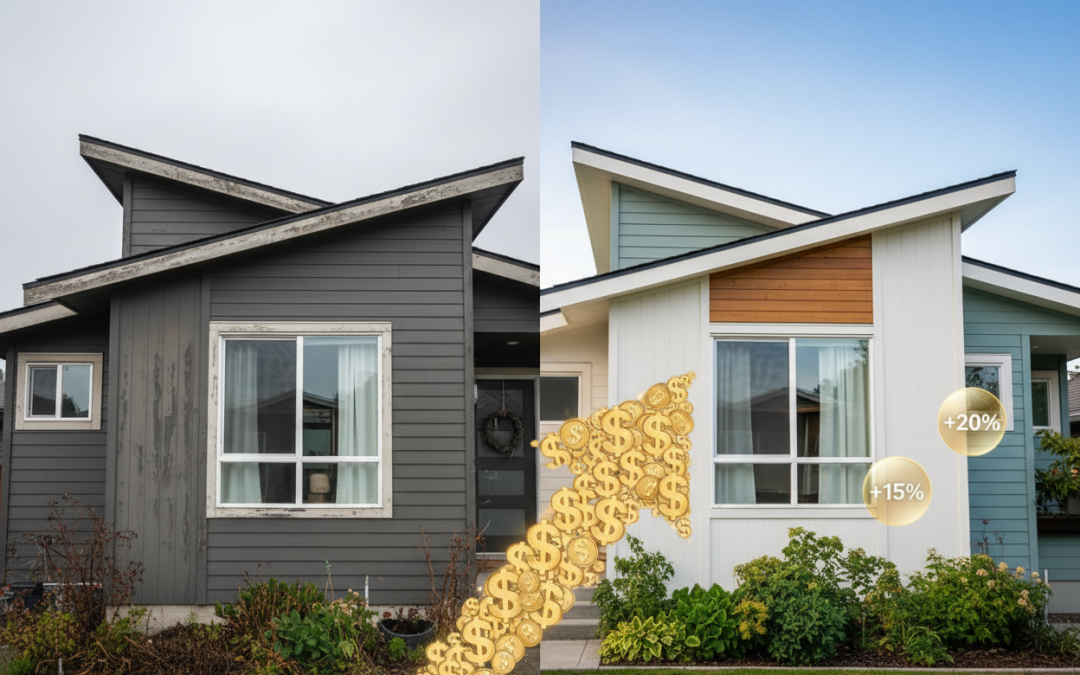
When it comes to home improvements, few projects can match the transformative power of siding replacement. Not only does new siding dramatically enhance your home’s curb appeal, but it also delivers impressive returns on investment that make it one of the smartest upgrades you can make. Whether you’re planning to sell soon or simply want to increase your property’s long-term value, understanding which siding improvements offer the best ROI can help you make informed decisions that benefit both your wallet and your home’s marketability.
The reality is that siding replacement consistently ranks among the top home improvements for return on investment, often recouping 70-80% of the project cost at resale. However, not all siding materials and installation approaches deliver the same value. The key lies in choosing the right materials, colors, and installation methods that align with your local market preferences and climate conditions.
Understanding Siding Replacement ROI Fundamentals
Return on investment for siding replacement varies significantly based on several crucial factors. The national average ROI for siding replacement hovers around 76%, but this figure can swing dramatically depending on your specific circumstances. Regional market conditions play a massive role – homes in areas with harsh winters or extreme weather conditions often see higher returns because buyers recognize the protective value of quality siding.
The condition of your existing siding also impacts potential returns. If your current siding is severely damaged, outdated, or requires frequent maintenance, the improvement in both function and appearance will be more dramatic, potentially pushing your ROI into the 80-90% range. Conversely, if you’re replacing relatively new siding simply for aesthetic reasons, your returns might be more modest.
Timing your siding replacement strategically can also affect ROI. Spring and early summer installations often yield better returns because the fresh appearance coincides with peak home-buying season. Additionally, completing the project 1-2 years before selling allows you to enjoy the benefits while ensuring the installation still looks pristine when potential buyers visit.
Vinyl Siding: The Budget-Friendly Champion
Vinyl siding consistently delivers some of the highest ROI percentages in the siding replacement category, typically ranging from 75-85%. This impressive return stems from vinyl’s combination of affordability, durability, and broad market appeal. Modern vinyl siding has evolved far beyond the thin, obviously artificial-looking materials of decades past.
Today’s premium vinyl options feature realistic wood grain textures, rich color variations, and improved thickness that mimics the appearance of more expensive materials at a fraction of the cost. The installation process is relatively straightforward, which keeps labor costs reasonable and contributes to the strong ROI figures.
What makes vinyl particularly attractive to potential buyers is its low maintenance requirements. Unlike wood siding that needs regular painting and staining, vinyl maintains its appearance with occasional washing. This long-term cost savings resonates with buyers who want to minimize ongoing home maintenance expenses.
However, not all vinyl siding delivers equal returns. Thicker gauge vinyl (0.044 inches or higher) and insulated vinyl options command premium prices but also deliver better energy efficiency and durability, factors that increasingly matter to today’s environmentally conscious buyers.
Fiber Cement: Premium Performance with Solid Returns
Fiber cement siding represents the sweet spot between premium appearance and reasonable cost, typically delivering ROI figures in the 70-80% range. This engineered material combines cement, sand, and cellulose fibers to create siding that looks remarkably similar to wood but offers superior durability and fire resistance.
The appeal of fiber cement lies in its versatility and longevity. It can be manufactured to mimic various wood textures, from smooth lap siding to rustic cedar shakes, allowing homeowners to achieve high-end aesthetics without the maintenance headaches of natural wood. Many fiber cement products come with warranties of 30-50 years, a selling point that resonates strongly with potential buyers.
Installation costs for fiber cement are higher than vinyl but lower than natural materials like cedar or stone. The material requires specialized cutting tools and experienced installers, but the investment pays off in both appearance and performance. Fiber cement’s resistance to insects, rot, and fire makes it particularly valuable in regions prone to these issues.
Color retention is another significant advantage of fiber cement. While the material typically requires painting, high-quality paint systems can last 15-20 years, much longer than wood siding. Some manufacturers now offer pre-finished fiber cement with color warranties of 15 years or more, further reducing long-term maintenance concerns.
Wood Siding: Classic Appeal with Variable Returns
Wood siding occupies a unique position in the ROI landscape, with returns varying widely based on the specific type of wood, local market preferences, and installation quality. In markets where natural materials are highly valued, wood siding can deliver ROI figures of 70-85%, but in other areas, the returns might be more modest due to maintenance concerns.
Cedar siding typically offers the best returns among wood options, particularly in upscale markets where buyers appreciate natural materials. Cedar’s natural resistance to insects and decay, combined with its distinctive appearance and pleasant aroma, creates strong buyer appeal. However, the initial investment is substantial, and ongoing maintenance requirements can be a deterrent for some buyers.
Pine and other softwood sidings generally offer lower ROI figures because they require more frequent maintenance and are more susceptible to damage. However, in certain architectural styles or historic districts where wood siding is expected or required, these materials can still deliver solid returns.
The key to maximizing ROI with wood siding lies in proper installation and finishing. High-quality stains or paints that highlight the wood’s natural beauty while providing protection can significantly enhance buyer appeal. Additionally, choosing sustainably sourced wood can appeal to environmentally conscious buyers, potentially boosting returns in certain markets.
Engineered Wood and Composite Options
Engineered wood and composite siding materials offer an interesting middle ground between natural wood and synthetic alternatives, with ROI figures typically ranging from 65-75%. These materials combine wood fibers with resins and other binding agents to create products that offer wood-like appearance with improved durability and dimensional stability.
The primary advantage of engineered wood siding is its ability to hold paint and stain better than natural wood while resisting warping, splitting, and other common wood problems. This improved performance can be a significant selling point, particularly in climates with extreme temperature variations or high humidity.
However, engineered wood products have faced some market resistance due to moisture-related issues with earlier generations of these materials. Modern products have largely addressed these concerns through improved manufacturing processes and better moisture management systems, but buyer perception may still lag behind reality in some markets.
When considering engineered wood siding, focus on products from established manufacturers with strong warranties and proven track records. The installation quality is crucial for these materials, as proper moisture barriers and flashing details are essential for long-term performance.
Metal Siding: Modern Appeal in Specific Markets
Metal siding, including aluminum and steel options, delivers variable ROI depending heavily on local market conditions and architectural styles. In modern, industrial, or contemporary home designs, metal siding can achieve ROI figures of 70-80%, but in traditional markets, returns may be significantly lower.
Aluminum siding was popular in previous decades but has largely fallen out of favor due to its tendency to dent and fade. However, modern aluminum products with improved finishes and heavier gauges are making a comeback in certain market segments, particularly for contemporary designs where clean lines and minimal maintenance are priorities.
Steel siding offers superior durability and fire resistance compared to aluminum, making it particularly attractive in areas prone to wildfires or severe weather. The material’s strength and longevity can justify higher initial costs, especially when buyers understand the long-term benefits.
Color and finish options have expanded dramatically for metal siding, with powder-coated finishes offering excellent durability and color retention. Some metal siding products now feature wood grain textures and other surface treatments that broaden their appeal beyond purely modern architectural styles.
Color Choices and Market Appeal
The color of your new siding plays a crucial role in determining ROI, with neutral, broadly appealing colors typically delivering the best returns. While bold, trendy colors might reflect your personal taste, they can limit your pool of potential buyers and reduce overall ROI.
Classic colors like white, cream, light gray, and soft beige consistently perform well across different markets and architectural styles. These colors provide a timeless backdrop that allows buyers to envision their own landscaping and accent choices without feeling constrained by bold color decisions.
Regional preferences also influence color ROI. Coastal areas might favor blues and grays that complement maritime environments, while mountain regions might prefer earth tones that blend with natural surroundings. Researching recent sales in your area can provide valuable insights into color preferences that resonate with local buyers.
Two-tone siding combinations can enhance visual interest and boost ROI when executed thoughtfully. Using a darker accent color for trim, shutters, or architectural details while maintaining a neutral primary color can create sophisticated curb appeal without alienating potential buyers.
Energy Efficiency and Modern Buyer Expectations
Today’s buyers increasingly prioritize energy efficiency, making insulated siding options particularly valuable for ROI. Insulated vinyl and fiber cement siding can improve your home’s thermal performance while providing the aesthetic and protective benefits of new siding.
The energy savings from insulated siding can be substantial, particularly in older homes with minimal wall insulation. These savings translate to lower utility bills, a selling point that resonates strongly with cost-conscious buyers. Additionally, improved energy efficiency can qualify your home for various rebates and incentives, further enhancing the overall value proposition.
Proper installation of energy-efficient siding requires attention to details like vapor barriers, air sealing, and thermal bridging. Working with experienced contractors who understand these requirements is essential for achieving both the performance benefits and ROI potential of energy-efficient siding systems.
Documentation of energy improvements can boost ROI by providing concrete evidence of performance benefits. Energy audits before and after installation, utility bill comparisons, and efficiency certifications can all serve as powerful marketing tools when it comes time to sell.
Installation Quality and Contractor Selection
The quality of installation significantly impacts both the immediate appearance and long-term ROI of siding replacement. Poor installation can lead to moisture problems, premature failure, and costly repairs that erode any potential returns on investment.
Choosing experienced, licensed contractors with strong local reputations is crucial for maximizing ROI. While it might be tempting to select the lowest bid, installation quality problems can be expensive to correct and may not become apparent until after the contractor’s warranty period expires.
Proper installation includes attention to moisture management, with appropriate house wrap, flashing, and drainage details. These behind-the-scenes elements are invisible to casual observers but critical for long-term performance and buyer confidence.
Obtaining proper permits and ensuring code compliance is another aspect of installation quality that affects ROI. Unpermitted work can create problems during home sales and may require costly corrections to satisfy lender or buyer requirements.
Frequently Asked Questions
Q: How long does it take to recoup the investment in new siding?
A: Most homeowners recoup 70-80% of their siding investment immediately upon sale. The remaining value is typically recovered through energy savings and reduced maintenance costs over 5-10 years, depending on the material chosen and local utility rates.
Q: Does siding replacement increase property taxes?
A: Siding replacement may increase your home’s assessed value, potentially leading to higher property taxes. However, the increase is typically modest compared to the overall value gained, and many areas offer temporary exemptions for energy-efficient improvements.
Q: Which siding material requires the least maintenance?
A: Vinyl siding requires the least maintenance, needing only periodic washing to maintain its appearance. Fiber cement is also low-maintenance but may require repainting every 15-20 years, while wood siding needs regular staining or painting every 5-10 years.
Q: Can I install siding over existing siding to save money?
A: While installing over existing siding can reduce labor costs, it may compromise the installation quality and reduce ROI. Most experts recommend removing old siding to ensure proper moisture management and achieve the best long-term results.
Q: How do I choose the right siding color for maximum ROI?
A: Stick with neutral, timeless colors like white, cream, light gray, or beige. These colors appeal to the broadest range of buyers and won’t look dated in a few years. Consider your home’s architectural style and neighborhood preferences when making the final decision.
Q: Is it worth upgrading to insulated siding?
A: Insulated siding typically adds 10-15% to the project cost but can improve energy efficiency by 15-20%. In climates with significant heating and cooling costs, the energy savings and increased buyer appeal often justify the additional investment.
Siding replacement represents one of the most reliable home improvement investments you can make, consistently delivering strong returns while dramatically improving your home’s appearance and protection. By choosing the right materials, colors, and installation approach for your specific market and budget, you can maximize both your immediate enjoyment and long-term financial returns from this transformative upgrade.





Home window replacement near me Royse City Texas












How much does it cost for vinyl replacement windows Southmayd Texas

Home window replacement cost Lakewood Dallas Texas

Home replacement window companies Tom Bean Texas






How much does it cost for vinyl replacement windows Alvarado Texas








Window replacement near me in Balch Springs Texas

Window replacement near me in Collinsville Texas

Affordable home window replacement Lancaster Texas




Home replacement window companies Little Elm Texas








North Richland Hills TX Replacement Windows And Siding

North Richland Hills TX Window And Siding Replacement

Whitesboro TX Cost Of Vinyl Siding Replacement

Rose Hill TX Replacement Siding Installation Services