
The Complete Guide to Window Replacement Tax Credits: Everything You Need to Know in 2024
If you’ve been putting off that window replacement project because of the cost, here’s some good news that might change your mind. The federal government offers substantial tax credits for energy-efficient window replacements, and these incentives can significantly reduce your out-of-pocket expenses. As someone who’s helped countless homeowners navigate these programs, I can tell you that understanding these tax credits is like finding money you didn’t know you had.
Window replacement isn’t just about improving your home’s appearance – it’s an investment in energy efficiency, comfort, and long-term savings. With the right tax credits, you could save hundreds or even thousands of dollars on your project while reducing your monthly energy bills. Let’s dive into everything you need to know about maximizing these valuable incentives.
Understanding Federal Energy Efficiency Tax Credits
The federal energy efficiency tax credit program has undergone significant changes in recent years, particularly with the passage of the Inflation Reduction Act. These credits are designed to encourage homeowners to make energy-efficient improvements that reduce overall energy consumption and environmental impact.
Currently, the federal tax credit for energy-efficient windows covers 30% of the cost, including both materials and installation, up to specific annual limits. This isn’t a deduction that reduces your taxable income – it’s a direct credit that reduces your tax liability dollar for dollar. The difference is substantial and can result in significant savings on your tax bill.
What makes this program particularly attractive is that it applies to your primary residence, and you don’t need to itemize deductions to claim it. The credit is available through 2032, though the percentage will decrease to 26% in 2033 and 22% in 2034.
Qualifying Window Requirements and Standards
Not all windows qualify for tax credits, and understanding the specific requirements is crucial for maximizing your savings. The windows must meet strict energy efficiency standards set by the Environmental Protection Agency’s Energy Star program.
For windows to qualify, they must have a U-factor of 0.25 or less and a Solar Heat Gain Coefficient (SHGC) of 0.40 or less in the Northern and North-Central climate zones. In Southern climate zones, the requirements are slightly different, with a U-factor of 0.40 or less and an SHGC of 0.25 or less.
The windows must also be permanently installed in your home and cannot be portable or temporary installations. Storm windows and doors typically don’t qualify, but there are exceptions for certain high-efficiency storm windows that meet the energy performance criteria.
Replacement windows generally qualify, but the entire window unit must be replaced – simply replacing the glass or adding films to existing windows won’t meet the requirements. The manufacturer’s certification statement is essential documentation you’ll need to keep for your records.
How Much Can You Save with Window Tax Credits?
The savings potential with window replacement tax credits is substantial, but it’s important to understand both the benefits and limitations. Under current federal law, you can claim 30% of the total project cost, including materials and installation, up to an annual limit of $600 for windows and skylights.
Let’s look at a practical example: If you spend $5,000 on qualifying energy-efficient windows, you could receive a tax credit of $600 (the maximum annual limit). While this might seem like the credit should be $1,500 (30% of $5,000), the annual cap applies. However, if you spread your window replacement over multiple years, you could potentially maximize the credit by claiming $600 each year.
Beyond the immediate tax savings, energy-efficient windows can reduce your heating and cooling costs by 10-25% annually, according to the Department of Energy. Over the lifetime of the windows, these energy savings often exceed the initial tax credit value, making it a win-win investment.
Some homeowners also benefit from utility rebates and state-level incentives, which can stack with federal credits for even greater savings. These additional programs vary by location and utility company, so it’s worth researching what’s available in your area.
State and Local Incentive Programs
While federal tax credits provide a solid foundation for savings, many states and local governments offer additional incentives that can further reduce your window replacement costs. These programs vary widely by location, but they often provide rebates, additional tax credits, or low-interest financing options.
Some states offer their own tax credits that complement federal programs. For instance, certain states provide credits for energy-efficient home improvements that can be claimed in addition to federal credits. Other states focus on rebate programs administered through utility companies or state energy offices.
Local utility companies frequently offer rebates for energy-efficient upgrades, including window replacements. These rebates are typically processed separately from tax credits and can provide immediate cash back rather than waiting until tax season. The amounts vary, but they commonly range from $50 to $200 per window, depending on the efficiency rating and local program parameters.
Property tax exemptions are another benefit offered in some areas. These programs temporarily exempt the added value of energy-efficient improvements from property tax assessments, providing ongoing savings beyond the initial installation.
Step-by-Step Application Process
Claiming your window replacement tax credit involves several important steps, and proper documentation is essential for a smooth process. The good news is that the application process is relatively straightforward once you understand the requirements.
First, ensure your windows meet all qualification requirements before making your purchase. Request the manufacturer’s certification statement, which should clearly indicate the window’s U-factor, SHGC, and Energy Star qualification. Keep all receipts for both materials and installation costs, as both are eligible for the credit.
When tax season arrives, you’ll use IRS Form 5695 to claim your residential energy credits. This form calculates your eligible credit amount and transfers the total to your main tax return. The form requires specific information about your qualifying improvements, including the manufacturer details and certification numbers.
Documentation is critical throughout this process. Maintain copies of all receipts, the manufacturer’s certification statement, and any contractor invoices. The IRS may request this documentation if your return is selected for review, and having organized records makes the process much smoother.
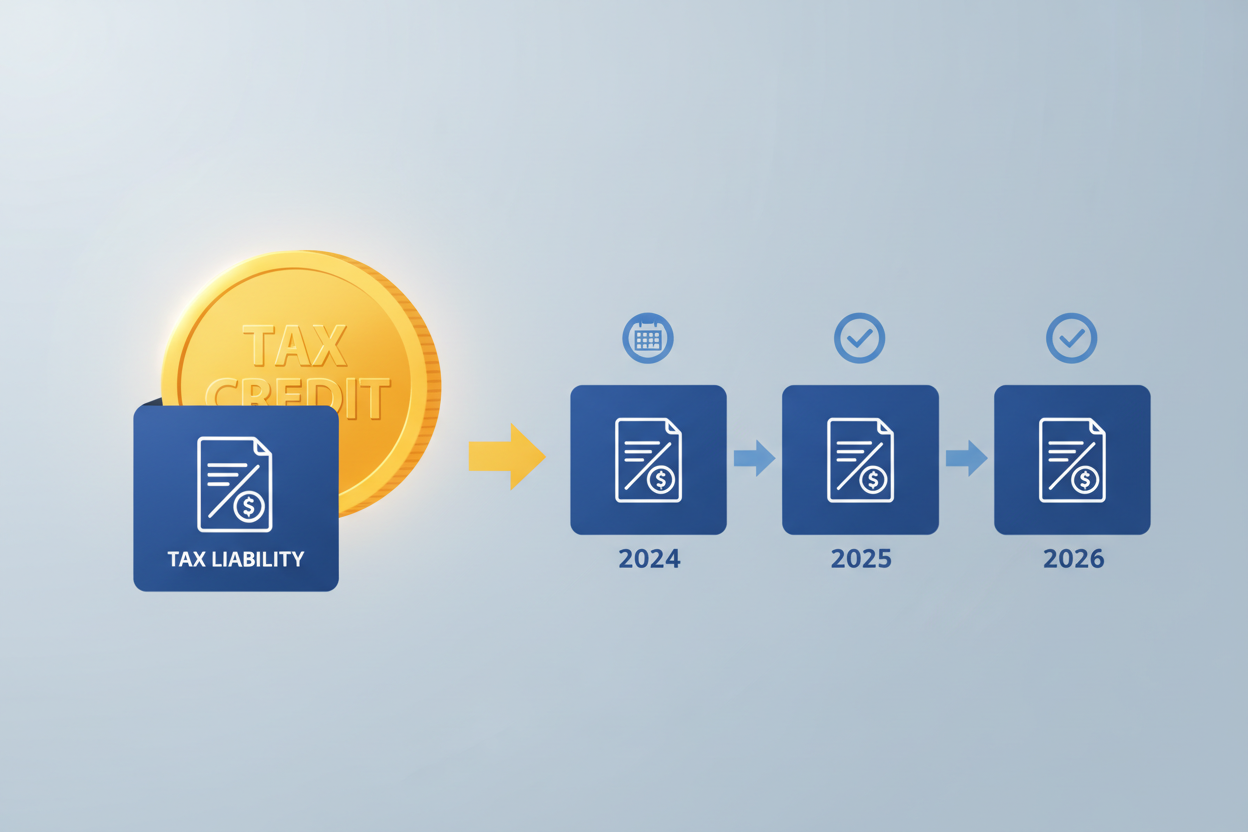
If your credit amount exceeds your tax liability for the year, the excess can be carried forward to future tax years. This means you won’t lose the benefit if you don’t owe enough taxes in the year you make the improvement.
Common Mistakes to Avoid
Even with the best intentions, homeowners often make mistakes that can reduce their tax credit benefits or create complications with the IRS. Understanding these common pitfalls can help you maximize your savings and avoid unnecessary headaches.
One of the most frequent mistakes is purchasing windows that don’t meet the efficiency requirements. Always verify Energy Star qualification and specific performance ratings before making your purchase. Some windows may be energy-efficient but still fall short of the tax credit requirements.
Another common error is failing to keep proper documentation. The manufacturer’s certification statement is absolutely essential – without it, you cannot claim the credit. Many homeowners also forget to save installation receipts, not realizing that labor costs are eligible for the credit.
Timing can also create issues. Some homeowners assume they can claim credits for windows purchased in one year but installed in the next. The credit applies to the year the windows are installed and placed in service, not when they’re purchased.
Finally, don’t overlook the annual limits. The $600 annual cap for windows means that spending significantly more won’t increase your credit beyond this amount in a single year. Planning your project timeline can help you maximize the available credits.
Planning Your Window Replacement Project
Strategic planning can help you maximize both your tax credits and the overall value of your window replacement project. Consider your home’s specific needs, your budget, and the timing of various incentive programs when developing your replacement strategy.
If you’re replacing multiple windows, consider spreading the project across multiple tax years to maximize the annual credit limits. This approach requires careful planning but can result in significantly higher total credits. However, balance this strategy against practical considerations like contractor availability and seasonal pricing.
Research all available incentives in your area before starting your project. Utility rebates often have limited funding and operate on a first-come, first-served basis. State and local programs may also have specific timing requirements or application deadlines.
When selecting windows, focus on those that exceed the minimum requirements for tax credits. Higher-efficiency windows often provide better long-term energy savings, and the additional cost may be justified by reduced utility bills over time.
Consider working with contractors who are familiar with energy efficiency programs and tax credit requirements. Experienced contractors can help ensure your project meets all necessary criteria and provide proper documentation for your tax filing.
Frequently Asked Questions
Q: Can I claim tax credits for windows in a rental property?
A: No, federal energy efficiency tax credits only apply to your primary residence. Rental properties and vacation homes don’t qualify for these residential energy credits.
Q: Do I need to itemize deductions to claim window tax credits?
A: No, energy efficiency tax credits are claimed separately from itemized deductions. You can take the standard deduction and still claim these credits.
Q: What happens if my tax credit exceeds my tax liability?
A: If your credit amount is larger than your tax liability, you can carry the excess forward to future tax years. The credit won’t be lost, but you can’t receive a refund for the excess amount.
Q: Can I combine federal tax credits with state rebates?
A: Yes, in most cases you can stack federal tax credits with state and local incentives. However, check the specific terms of each program, as some may have restrictions on combining benefits.
Q: How long do I have to keep documentation for my window tax credit?
A: Keep all documentation for at least three years after filing the tax return that includes the credit. However, it’s wise to keep records for the life of the windows in case of future audits or warranty claims.
Q: Do storm windows qualify for tax credits?
A: Traditional storm windows typically don’t qualify, but some high-efficiency storm windows that meet the Energy Star requirements may be eligible. Check the specific product certification to be sure.
Conclusion
Window replacement tax credits represent a significant opportunity to reduce the cost of improving your home’s energy efficiency while increasing comfort and property value. With federal credits covering 30% of qualifying costs and potential additional savings from state and local programs, the financial benefits can be substantial.
The key to maximizing these benefits lies in understanding the requirements, maintaining proper documentation, and planning your project strategically. While the process may seem complex at first, the potential savings make it well worth the effort to get it right.
Remember that these tax credits are just one part of the financial equation. Energy-efficient windows provide ongoing savings through reduced utility bills, increased comfort, and potentially higher resale value. When combined with available tax incentives, window replacement becomes not just a home improvement project, but a smart financial investment.
As you plan your window replacement project, take time to research all available incentives in your area and consult with qualified contractors who understand energy efficiency requirements. With proper planning and execution, you can significantly reduce your project costs while creating a more comfortable, efficient home for years to come.






Affordable home window replacement Whitesboro Texas














How much does it cost for vinyl replacement windows Merit Texas










Affordable home window replacement Leonard Texas





How much does it cost for vinyl replacement windows Little Elm Texas






Vinyl replacement windows North Richland Hills Texas



Affordable home window replacement Southmayd Texas













Midlothian TX Replacement Siding Installation Services











Preston Hollow Dallas TX Siding Replacement Near Me