
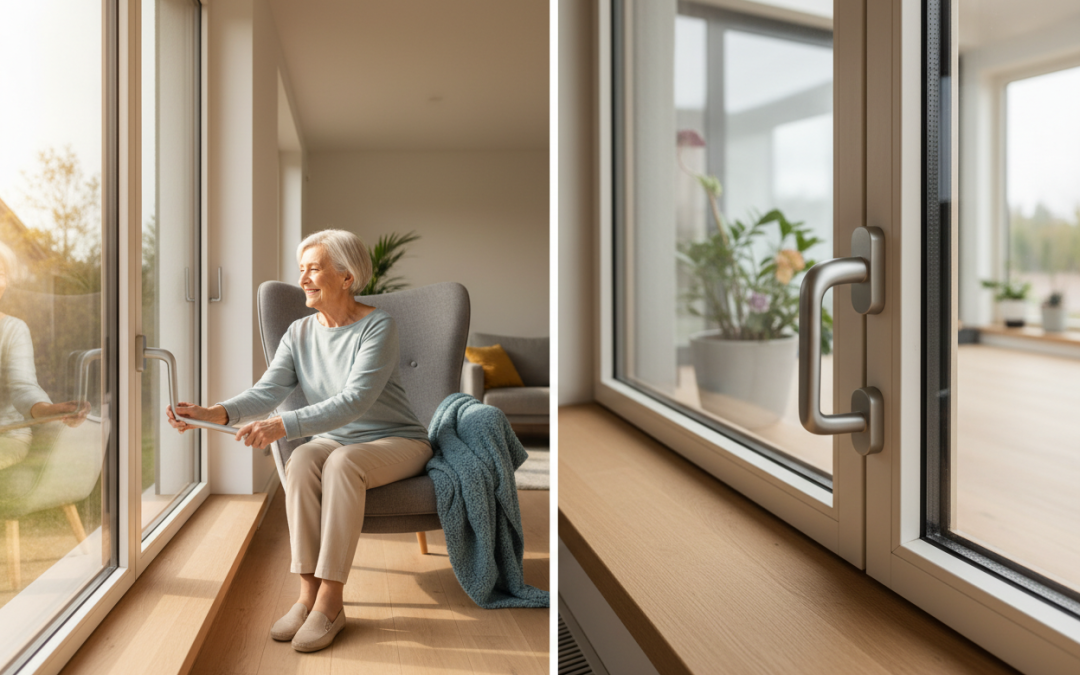
Window Replacement for Aging in Place: Essential Accessibility Features for Senior-Friendly Homes
As we age, our homes should evolve with us, becoming sanctuaries that support our changing needs rather than obstacles we struggle to navigate. For the millions of seniors choosing to age in place, window replacement represents one of the most impactful home modifications you can make. The right windows don’t just let in light and fresh air—they can dramatically improve accessibility, safety, and quality of life for older adults.
Whether you’re planning ahead for your golden years or helping aging parents maintain their independence, understanding how modern window features can enhance accessibility is crucial. Today’s innovative window designs offer solutions that seemed impossible just a decade ago, transforming what was once a daily struggle into effortless operation.
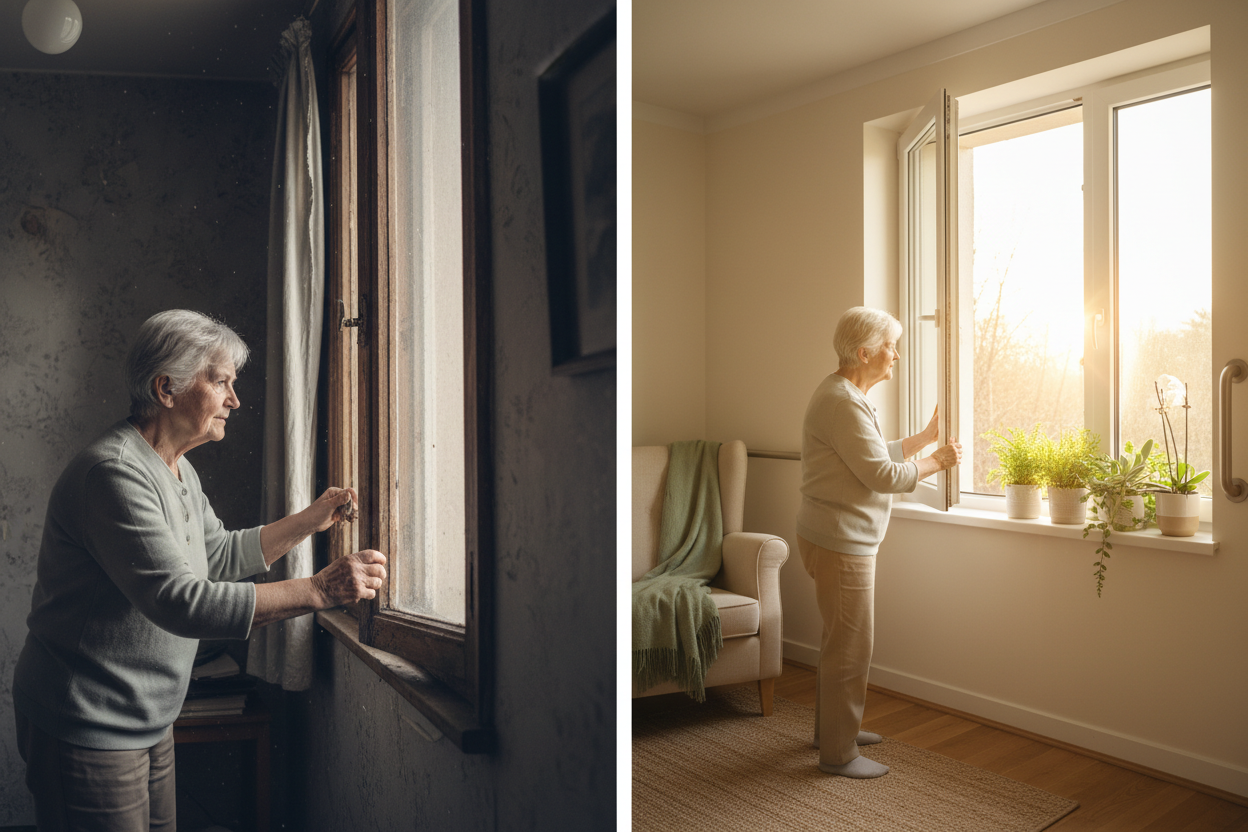
Understanding the Challenges: Why Traditional Windows Fall Short for Aging Adults
Traditional windows weren’t designed with aging bodies in mind. As we get older, arthritis can make turning cranks painful, reduced grip strength makes lifting heavy sashes nearly impossible, and balance issues can make reaching across counters to operate windows downright dangerous. I’ve witnessed countless seniors simply stop opening certain windows altogether, sacrificing fresh air and natural ventilation because the physical demands became too great.
The consequences extend beyond mere inconvenience. Poor ventilation can lead to indoor air quality issues, while inability to operate windows in emergencies poses serious safety risks. Additionally, windows that are difficult to clean from the inside often go unmaintained, reducing natural light and affecting the overall ambiance of the home.
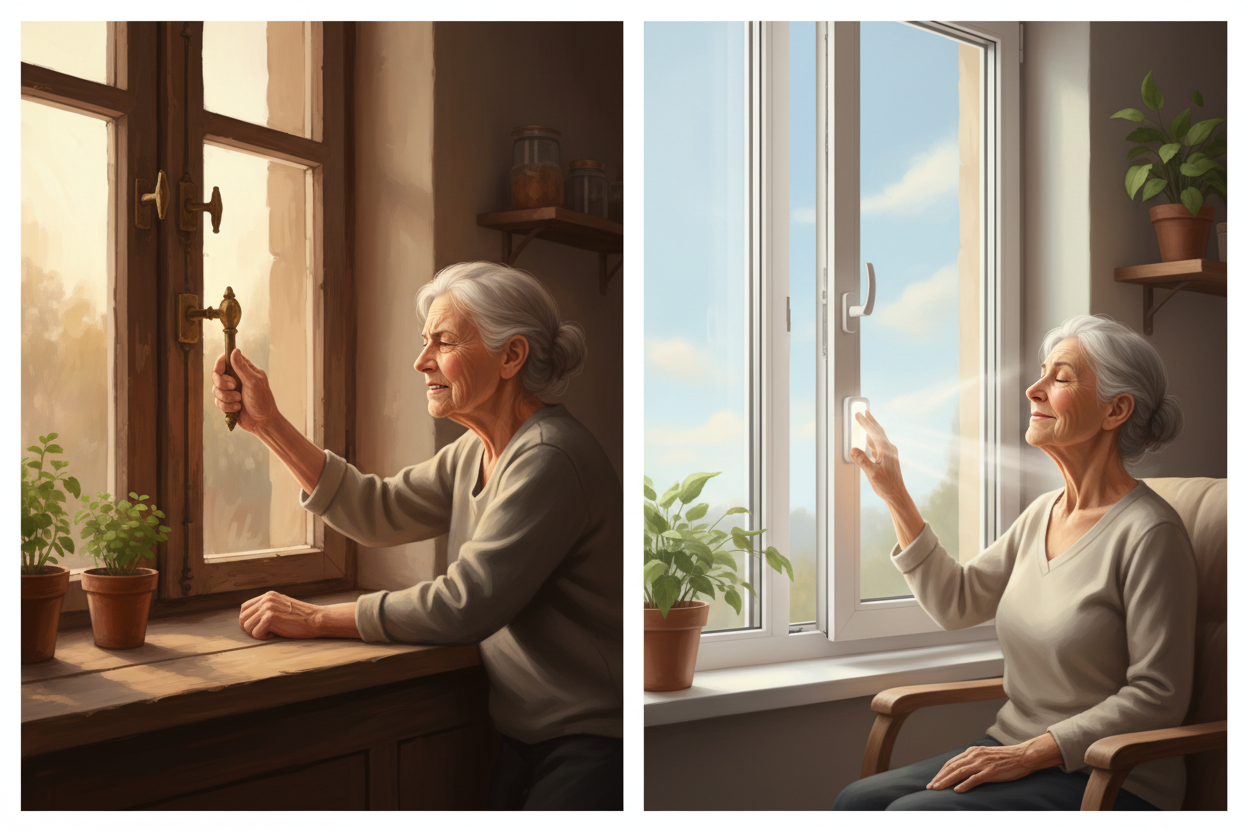
Low-Force Operation: The Foundation of Accessible Window Design
The cornerstone of age-friendly window replacement is low-force operation. Modern window manufacturers have revolutionized hardware design to require minimal physical effort. Look for windows that operate with less than five pounds of force—a standard that ensures even those with limited hand strength can easily open and close their windows.
Single-hung windows with advanced balance systems eliminate the need to fight against window weight. These systems use sophisticated spring mechanisms or block-and-tackle arrangements that virtually eliminate the lifting force required. Some premium options even feature power-assisted operation, where a gentle push initiates the opening sequence, and the window’s mechanism takes over from there.
Casement windows offer another excellent low-force solution. Quality casement windows with well-engineered crank mechanisms can be operated with minimal wrist rotation, making them ideal for seniors with arthritis. The key is choosing windows with gear ratios that maximize mechanical advantage, allowing small crank movements to produce significant window opening.
Easy-Reach Hardware: Bringing Control Within Comfortable Range
Window hardware placement can make or break accessibility. Traditional windows often position operating mechanisms in hard-to-reach locations that require stretching, bending, or awkward positioning. Accessible window replacement focuses on bringing all controls within the “universal reach range”—typically between 15 and 48 inches from the floor.
Modern accessible windows feature hardware designed for intuitive operation. Large, ergonomically shaped handles provide better grip and require less precise finger positioning. Some manufacturers offer oversized cranks with comfortable grips that accommodate various hand sizes and grip limitations. These thoughtful design elements transform daily window operation from a struggle into a simple, comfortable task.
Consider windows with multiple operating points positioned at different heights. This allows users to choose the most comfortable position for their specific needs and physical capabilities. Some innovative designs even include remote-controlled operation, eliminating the need to reach window hardware altogether.
Safety Features: Protecting What Matters Most
Safety considerations become paramount when selecting windows for aging in place. Fall prevention tops the list of concerns, especially for windows positioned above ground level or near walking surfaces. Modern safety features address these risks without compromising functionality or aesthetics.
Integrated window stops prevent accidental over-opening while still allowing adequate ventilation. These mechanisms can be set to limit opening to safe distances—typically 4 to 6 inches—while remaining easily overrideable for cleaning or emergency egress. Some advanced systems include graduated stops that provide multiple safe opening positions.
Tempered or laminated glass options enhance safety by reducing injury risk if breakage occurs. While building codes may not require safety glass in all window locations, proactive installation in areas where falls or impacts are possible provides valuable peace of mind. Consider impact-resistant glass in ground-floor windows or those near walkways where accidents are more likely.
Emergency egress features deserve special attention in bedrooms and living areas. While maintaining easy operation for daily use, these windows must still provide reliable emergency exit routes. Look for windows that combine low-force operation with clear, intuitive emergency opening procedures that can be executed even under stress.
Tilt-In Sashes: Revolutionizing Window Maintenance
Perhaps no feature better exemplifies aging-in-place window design than tilt-in sashes. These ingenious mechanisms allow the exterior surface of windows to be cleaned safely from inside the home, eliminating the need for ladders, reaching, or hiring professional cleaning services.
The operation is beautifully simple: release two clips or latches, and the upper sash tilts inward, bringing the exterior glass surface within easy reach. This feature proves invaluable for multi-story homes where exterior window cleaning would otherwise require dangerous ladder work or expensive professional services.
Quality tilt-in mechanisms include safety features that prevent accidental release while ensuring smooth, controlled tilting motion. Some premium options include assisted tilting that helps support the sash weight during the cleaning process, reducing strain on arms and shoulders.
When evaluating tilt-in options, pay attention to the release mechanism design. The best systems feature large, clearly marked release points that can be operated with minimal finger strength. Avoid windows with small, hard-to-reach, or overly complex release mechanisms that defeat the accessibility purpose.
Enhanced Visibility: Maximizing Natural Light and Views
Vision changes that accompany aging make natural light and clear views increasingly important. Window replacement for aging in place should prioritize designs that maximize visibility while minimizing visual obstructions.
Larger glass areas reduce the visual barriers created by window frames and mullions. Consider windows with narrow frames and minimal sight lines to maximize the glass-to-frame ratio. This approach not only improves views but also increases natural light penetration, reducing dependence on artificial lighting during daylight hours.
Low-E coatings and advanced glazing systems can improve comfort while maintaining excellent visibility. These technologies reduce glare—a particular concern for aging eyes—while preserving color accuracy and visual clarity. Some coatings specifically target wavelengths that cause eye strain, creating more comfortable viewing conditions.
Window placement and sizing should consider changing mobility patterns. Lower sill heights allow seated viewing, while wider windows accommodate different viewing angles as furniture arrangements change to accommodate mobility aids or comfort preferences.
Climate Control Integration: Comfort Without Compromise
Effective climate control becomes increasingly important as we age, and windows play a crucial role in maintaining comfortable indoor environments. Modern window replacement options integrate seamlessly with HVAC systems while providing natural ventilation alternatives that reduce energy costs and improve air quality.
Triple-pane windows with advanced gas fills provide superior insulation performance, reducing temperature fluctuations near windows—a common comfort complaint among seniors. These high-performance windows maintain consistent interior temperatures, reducing the need for frequent thermostat adjustments and lowering utility costs.
Integrated ventilation features allow controlled fresh air introduction without compromising security or comfort. Some windows include built-in ventilation channels that provide continuous air exchange even when the window appears closed. These systems filter incoming air and can be adjusted to provide optimal ventilation rates for different seasons and weather conditions.
Smart window integration represents the cutting edge of climate control technology. These systems can automatically adjust window positioning based on indoor and outdoor temperature, humidity, and air quality readings. While representing a significant investment, smart windows can provide unparalleled comfort and convenience for those aging in place.
Professional Installation: The Foundation of Accessible Window Performance
Even the most advanced accessible window features mean nothing without proper installation. Professional installation ensures that low-force operation mechanisms function as designed, safety features operate reliably, and weather sealing performs optimally.
Experienced installers understand the unique requirements of accessible window installation. They ensure proper alignment that prevents binding or excessive operating forces, calibrate hardware for optimal performance, and verify that all safety features function correctly. Professional installation also includes proper insulation and air sealing that maintains energy efficiency and comfort.
When selecting installation professionals, look for contractors with specific experience in accessible home modifications. These specialists understand the importance of proper hardware adjustment and can provide valuable guidance on optimal window placement and operation for individual needs and capabilities.
Post-installation support is equally important. Quality installers provide comprehensive operation instructions, maintenance guidance, and warranty support that ensures long-term performance. They should also be available for periodic adjustments as needs change over time.
Frequently Asked Questions
Q: How much force should accessible windows require to operate?
A: Accessible windows should require no more than 5 pounds of force to operate. Premium options often require even less, with some power-assisted windows needing only 1-2 pounds of initial force to begin operation.
Q: Are tilt-in windows safe for upper floors?
A: Yes, quality tilt-in windows include multiple safety features including secure locking mechanisms and controlled tilting action. However, always follow manufacturer guidelines and ensure proper installation by qualified professionals.
Q: Can I retrofit existing windows with accessible hardware?
A: Limited retrofitting is possible in some cases, but complete window replacement typically provides better results and more comprehensive accessibility features. Consult with a window professional to evaluate your specific situation.
Q: What’s the typical lifespan of accessible window features?
A: Quality accessible windows and hardware typically last 15-25 years with proper maintenance. The key is choosing reputable manufacturers and ensuring professional installation and periodic maintenance.
Q: Do accessible windows cost significantly more than standard windows?
A: While accessible features may add 10-20% to window costs, the improved functionality, safety, and long-term value often justify the investment, especially when considering the cost of alternative modifications or care services.
Q: Can accessible windows still provide adequate security?
A: Absolutely. Modern accessible windows include robust locking mechanisms and can accommodate additional security features without compromising ease of operation. Many offer superior security compared to older traditional windows.
Conclusion: Investing in Independence and Quality of Life
Window replacement for aging in place represents far more than a simple home improvement project—it’s an investment in independence, safety, and quality of life. The right accessible windows can transform daily routines from struggles into simple pleasures, allowing seniors to maintain their connection with the outdoors while ensuring their homes remain comfortable, safe, and manageable.
As you consider window replacement options, remember that accessibility features benefit everyone, not just those currently facing mobility challenges. These thoughtful design elements create homes that can adapt to changing needs over time, providing value and functionality for decades to come.
The technology and options available today offer unprecedented opportunities to create truly accessible living environments. By prioritizing low-force operation, safety features, easy maintenance, and enhanced visibility, you can ensure that your windows support aging in place rather than hindering it. The investment in quality accessible windows pays dividends in comfort, independence, and peace of mind—benefits that prove invaluable as we navigate the journey of aging gracefully in our own homes.




































Affordable replacement windows Preston Hollow Dallas Texas





Affordable home window replacement Rockwall Texas











Parker TX Replacement Siding Installation Services















North Richland Hills TX Cost Of Vinyl Siding Replacement