
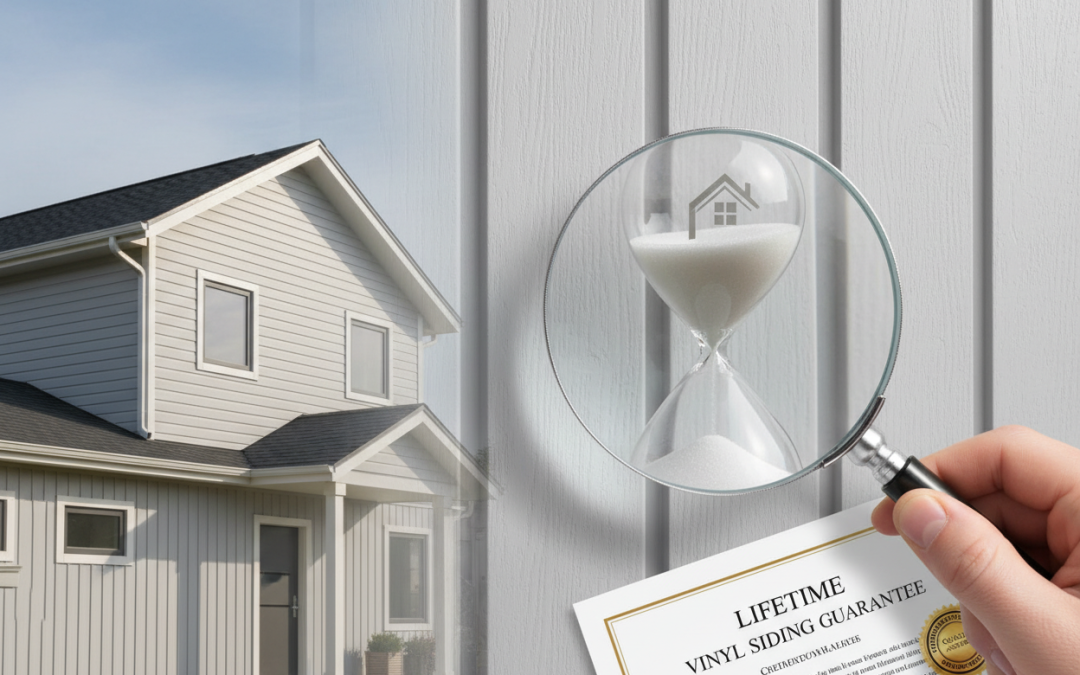
The Truth About Lifetime Warranties on Vinyl Siding: What Homeowners Really Need to Know
When you’re standing in a home improvement store or meeting with a contractor, those words “lifetime warranty” on vinyl siding can sound like music to your ears. After all, who wouldn’t want protection that lasts forever? But here’s the thing – I’ve been in the home improvement industry for over a decade, and I’ve seen countless homeowners discover that “lifetime” doesn’t always mean what they think it means.
The reality is that lifetime warranties on vinyl siding are more complex than most marketing materials let on. While they can provide valuable protection, understanding the fine print is crucial before you make that significant investment in your home’s exterior. Let me walk you through everything you need to know about these warranties, so you can make an informed decision that’s right for your situation.

Understanding What “Lifetime” Actually Means in Vinyl Siding Warranties
Here’s where things get interesting – and potentially confusing. When manufacturers say “lifetime warranty,” they’re not necessarily talking about your lifetime or even the life of your home. Most vinyl siding lifetime warranties are tied to the original purchaser’s ownership of the property. This means if you sell your house, that warranty doesn’t transfer to the new owners in most cases.
Some manufacturers define “lifetime” as 50 years, while others may use different timeframes. The key is reading the warranty document carefully. I’ve seen homeowners assume they had coverage for decades, only to discover their warranty had specific limitations they never knew about.

Additionally, many lifetime warranties are actually “limited lifetime warranties,” which means they cover certain aspects of the siding but not others. The coverage often decreases over time, with full replacement coverage in the early years transitioning to prorated coverage as the siding ages.
What Vinyl Siding Lifetime Warranties Typically Cover
Most reputable vinyl siding lifetime warranties will cover manufacturing defects, which can include issues like cracking, splitting, or warping under normal weather conditions. They’ll also typically cover color fading, though the definition of “excessive” fading can vary between manufacturers.
Weather-related coverage is another common feature, protecting against damage from hail, wind, and temperature extremes. However, the devil is in the details here. Some warranties require wind speeds to exceed certain thresholds before coverage kicks in, and they may not cover damage from “acts of God” or extreme weather events.
Material failure due to manufacturing processes is usually covered, including issues with the vinyl compound itself or problems with how the siding was formed. This can be particularly important because these types of defects might not show up for several years after installation.
The Hidden Limitations You Should Know About
Now, let’s talk about what these warranties often don’t cover – and this is where many homeowners get surprised. Installation errors are typically excluded from manufacturer warranties. If your contractor doesn’t install the siding properly and it fails, you’re likely looking at the installer’s warranty, not the manufacturer’s.
Normal wear and tear is another common exclusion. While the siding might be warranted against defects, the natural aging process, minor scratches from landscaping equipment, or small dents from everyday life usually aren’t covered.
Environmental factors can also void coverage. Some warranties exclude damage from saltwater exposure, industrial pollutants, or even certain cleaning products. If you live near the ocean or in an industrial area, these exclusions could be particularly relevant.
Maintenance requirements are often overlooked but critically important. Many warranties require regular cleaning and maintenance to remain valid. Miss these requirements, and you could void your coverage entirely.
The Reality of Making Warranty Claims
I’ll be honest with you – making a warranty claim isn’t always as straightforward as homeowners hope. The process typically starts with documenting the problem with photos and detailed descriptions. You’ll need to contact the manufacturer directly, not the retailer or installer in most cases.
Proof of purchase is essential, and you’ll need to demonstrate that the problem isn’t due to improper installation or maintenance. This can sometimes require professional inspections, which might be at your expense initially.
The resolution process can take weeks or even months. Even when claims are approved, you might receive materials for repair rather than professional installation services. This means you’ll need to find and pay for installation yourself, which can be a significant unexpected expense.
How to Evaluate Vinyl Siding Warranty Value
When comparing warranties, don’t just look at the length – examine the coverage details. A 30-year comprehensive warranty might actually provide better protection than a “lifetime” warranty with extensive exclusions.
Consider the manufacturer’s reputation and financial stability. A warranty is only as good as the company backing it. Research the manufacturer’s history of honoring warranty claims and their customer service reputation.
Look at the warranty transfer policies if you might sell your home in the future. Some warranties can be transferred to new owners for a fee, which can actually add value to your property.
Pay attention to the prorated coverage structure. Understanding how coverage decreases over time will help you set realistic expectations about future protection.
Making Smart Decisions About Vinyl Siding Warranties
The best approach is to view warranty coverage as a bonus rather than the primary reason for choosing vinyl siding. Focus first on selecting quality materials from reputable manufacturers and ensuring professional installation.
Keep detailed records from day one. Save all purchase receipts, installation documentation, and maintenance records. Take photos of your siding after installation to document its initial condition.
Consider the total cost of ownership, not just the upfront price. Sometimes paying more for better materials and installation can be more valuable than extended warranty coverage on cheaper products.
Don’t let warranty length be the deciding factor. A shorter warranty with comprehensive coverage and a solid company behind it often provides better real-world protection than a lengthy warranty with numerous exclusions.
Questions to Ask Before You Buy
Before making your final decision, ask specific questions about the warranty coverage. What exactly is covered, and what’s excluded? How does the claims process work, and what documentation is required?
Inquire about maintenance requirements and get them in writing. Ask about transferability if you plan to sell your home. Find out whether the warranty covers just materials or includes labor costs for repairs.
Request references from other homeowners who have used the warranty. A manufacturer confident in their warranty program should be able to provide examples of successful claims.
Frequently Asked Questions
Can I transfer my vinyl siding lifetime warranty to a new homeowner?
Most lifetime warranties are non-transferable, but some manufacturers offer transfer options for a fee. Check your specific warranty terms and contact the manufacturer directly to understand your options.
What happens if the siding manufacturer goes out of business?
If the manufacturer ceases operations, the warranty typically becomes void. This is why choosing established, financially stable companies is important when making your siding investment.
Does homeowner’s insurance cover vinyl siding issues not covered by warranty?
Homeowner’s insurance typically covers sudden damage from covered perils like storms or accidents, but not gradual deterioration or maintenance issues. Review your policy with your insurance agent for specific coverage details.
How often do I need to clean my vinyl siding to maintain warranty coverage?
Most warranties require annual cleaning, though specific requirements vary by manufacturer. Use only approved cleaning products and methods to avoid voiding your warranty.
What should I do if my warranty claim is denied?
If your claim is denied, request a detailed explanation in writing. You can appeal the decision with additional documentation or seek mediation through consumer protection agencies if necessary.
Are there any maintenance tasks that could void my vinyl siding warranty?
Using inappropriate cleaning products, pressure washing at too high pressure, or making unauthorized repairs can void warranties. Always follow manufacturer guidelines for maintenance and repairs.
The bottom line is that lifetime warranties on vinyl siding can provide valuable peace of mind, but they’re not the magic bullet that some marketing makes them out to be. By understanding the real terms, limitations, and claims process, you can make a more informed decision about your siding investment. Remember, the best warranty is one you never have to use – so focus on quality materials and professional installation first, and consider the warranty as additional protection rather than your primary safeguard.





Affordable home window replacement Randolph Texas











How much does it cost for vinyl replacement windows Wilmer Texas








Home replacement window companies Grapevine Texas

How much does it cost for vinyl replacement windows Azle Texas














How much does it cost for vinyl replacement windows Wylie Texas









Lake Dallas TX Estimate For Siding Replacement