
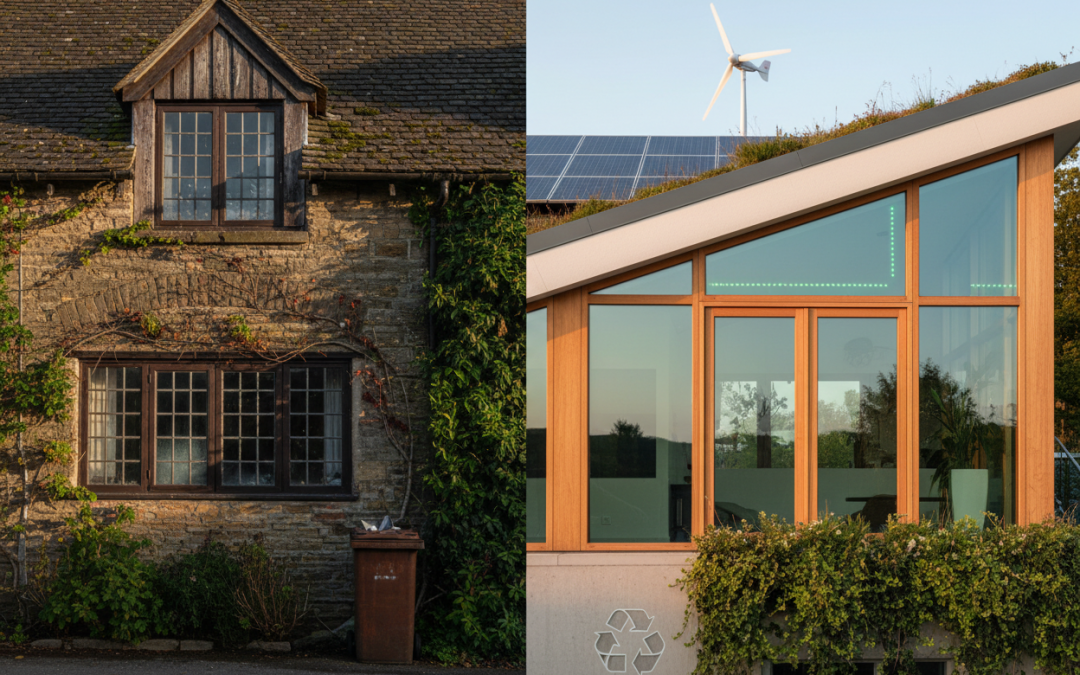
Window Replacement Trends in Sustainable Building Practices: A Complete Guide to Eco-Friendly Home Upgrades
As homeowners become increasingly conscious of their environmental impact, sustainable building practices are no longer just a trend – they’re becoming the standard. Among all home improvement projects, window replacement stands out as one of the most impactful ways to enhance both energy efficiency and environmental responsibility. The window industry has responded with innovative solutions that not only reduce energy consumption but also incorporate recycled materials, improve indoor air quality, and contribute to long-term cost savings.
Whether you’re planning a complete home renovation or simply looking to upgrade your existing windows, understanding the latest sustainable window replacement trends can help you make informed decisions that benefit both your wallet and the planet. From triple-pane glass technology to smart window systems, today’s sustainable window options offer unprecedented performance while maintaining aesthetic appeal.
The Rise of Energy-Efficient Window Technologies
The foundation of sustainable window replacement lies in energy efficiency, and manufacturers have made remarkable strides in this area over the past decade. Modern energy-efficient windows can reduce heating and cooling costs by up to 30%, making them one of the most cost-effective home improvements available.
Low-E (low-emissivity) coatings have become standard in quality window replacements. These microscopically thin metallic layers reflect infrared light while allowing visible light to pass through, keeping homes cooler in summer and warmer in winter. What’s particularly exciting is how these coatings have evolved – newer versions can be customized for specific climates and orientations, maximizing energy savings based on your home’s unique characteristics.
Gas-filled windows represent another significant advancement. Argon and krypton gases, which are denser than air, provide superior insulation between window panes. While argon remains the more affordable option, krypton gas offers even better thermal performance, though at a higher price point. For homeowners in extreme climates, this investment often pays for itself through reduced energy bills.
Triple-Pane Windows: The New Standard for Sustainability
Triple-pane windows have transitioned from luxury items to mainstream sustainable solutions. These windows feature three layers of glass with two insulating spaces, dramatically improving thermal performance compared to traditional double-pane alternatives.
The benefits extend beyond energy savings. Triple-pane windows significantly reduce outside noise, creating quieter indoor environments – a feature that’s particularly valuable for homes near busy streets or airports. They also minimize condensation issues, which can lead to mold and mildew problems in traditional windows.
While the initial investment is higher, triple-pane windows often qualify for energy efficiency rebates and tax credits, helping offset the additional cost. Many homeowners find that the improved comfort and reduced energy bills make triple-pane windows a worthwhile long-term investment, especially in regions with harsh winters or extremely hot summers.
Sustainable Window Frame Materials
The sustainability conversation extends beyond glass to window frame materials. Traditional vinyl frames, while affordable and low-maintenance, aren’t the most environmentally friendly option due to their manufacturing process and limited recyclability.
Fiberglass frames have gained popularity as a sustainable alternative. Made from recycled glass fibers, these frames offer excellent durability, minimal maintenance requirements, and superior thermal performance. They expand and contract at nearly the same rate as glass, reducing stress on seals and extending window lifespan.
Wood frames sourced from sustainably managed forests represent another eco-friendly option. Modern wood windows often feature aluminum or vinyl cladding on the exterior, providing the warmth and natural beauty of wood inside while offering weather protection outside. When properly maintained, quality wood windows can last for decades, making them a truly sustainable choice.
Recycled aluminum frames are making a comeback in sustainable building practices. While aluminum was once criticized for poor thermal performance, modern thermal breaks and improved manufacturing techniques have addressed these concerns. Aluminum’s recyclability and durability make it an attractive option for environmentally conscious homeowners.
Smart Window Technology and Automation
The integration of smart technology into window systems represents one of the most exciting trends in sustainable building practices. Smart windows can automatically adjust their tint based on sunlight intensity, reducing cooling costs and glare while maintaining natural light levels.
Electrochromic glass technology allows windows to change from clear to tinted at the touch of a button or through automated sensors. This technology can reduce air conditioning costs by up to 20% while eliminating the need for traditional window coverings in many applications.
Automated window systems that open and close based on indoor air quality sensors are becoming increasingly popular. These systems can improve natural ventilation, reducing reliance on mechanical HVAC systems and improving indoor air quality. When integrated with home automation systems, smart windows can work in conjunction with heating and cooling systems to optimize energy efficiency throughout the day.
Recycled and Upcycled Window Solutions
The concept of circular economy has found its way into window replacement through innovative recycling and upcycling programs. Some manufacturers now offer take-back programs for old windows, ensuring that materials are properly recycled rather than ending up in landfills.
Reclaimed window restoration has become a niche but growing market. Skilled craftspeople can restore historic windows to modern energy efficiency standards while preserving their original character. This approach is particularly popular in historic districts where maintaining architectural authenticity is important.
Recycled glass content in new windows is increasing as manufacturers find ways to incorporate post-consumer recycled materials without compromising performance. While the percentage of recycled content varies by manufacturer, this trend represents a significant step toward more sustainable production practices.
Passive House Standards and Window Performance
The Passive House standard has influenced window design and performance expectations across the industry. These ultra-low energy buildings require windows with exceptional thermal performance, typically featuring U-values of 0.15 or lower.
Meeting Passive House standards requires attention to installation details that minimize thermal bridging and air leakage. This has led to improved installation techniques and products that benefit all window replacement projects, not just those pursuing Passive House certification.
The influence of Passive House standards has pushed manufacturers to develop windows that were once considered impossible to produce. Today’s high-performance windows can achieve R-values that rival traditional wall assemblies, fundamentally changing how we think about building envelope design.
Regional Considerations and Climate-Specific Solutions
Sustainable window replacement isn’t one-size-fits-all. Regional climate considerations play a crucial role in determining the most appropriate sustainable solutions for your home.
In heating-dominated climates, south-facing windows with high solar heat gain coefficients can provide passive solar heating, reducing heating costs. Conversely, cooling-dominated climates benefit from windows with low solar heat gain coefficients to minimize air conditioning loads.
Hurricane and tornado-prone regions have seen development of impact-resistant sustainable windows that provide both safety and energy efficiency. These windows often feature laminated glass and reinforced frames that can withstand extreme weather while maintaining excellent thermal performance.
Cost Considerations and Return on Investment
While sustainable windows typically require a higher initial investment, the long-term financial benefits often justify the additional cost. Energy savings, increased home value, and reduced maintenance requirements contribute to positive return on investment over time.
Many utility companies offer rebates for energy-efficient window installations, and federal tax credits are often available for qualifying products. These incentives can significantly reduce the net cost of sustainable window replacement projects.
Financing options specifically designed for energy efficiency improvements have made sustainable windows more accessible. Some programs offer low-interest loans or on-bill financing that allows homeowners to pay for improvements through their utility bills over time.
Installation Best Practices for Sustainable Performance
Even the most advanced sustainable windows won’t perform as intended without proper installation. Air sealing, proper flashing, and thermal bridge mitigation are critical for achieving promised energy performance.
Professional installation by certified contractors ensures that windows are installed according to manufacturer specifications and building codes. Many window manufacturers require professional installation to maintain warranty coverage, providing additional assurance of proper installation.
Post-installation testing, including blower door tests and thermal imaging, can verify that windows are performing as expected. This quality assurance step is becoming more common in sustainable building practices and helps identify any installation issues before they impact long-term performance.
Future Trends in Sustainable Window Technology
The future of sustainable window replacement looks increasingly promising, with emerging technologies that could revolutionize how we think about windows and energy efficiency.
Photovoltaic windows that generate electricity while providing traditional window functions are moving from laboratory concepts to commercial reality. While current efficiency levels are modest, ongoing research suggests significant improvements are possible.
Thermochromic windows that automatically adjust their properties based on temperature are under development. These windows could provide optimal performance across varying seasonal conditions without requiring electronic controls or power sources.
Integration with building management systems and artificial intelligence could enable windows to learn from occupant behavior and environmental conditions, automatically optimizing performance for maximum comfort and efficiency.
Conclusion
Sustainable window replacement represents one of the most impactful improvements homeowners can make to reduce their environmental footprint while enhancing comfort and reducing energy costs. From advanced glass technologies and sustainable frame materials to smart automation and recycled content, today’s sustainable windows offer unprecedented performance and environmental benefits.
The key to successful sustainable window replacement lies in understanding your specific climate, home characteristics, and performance goals. While the initial investment may be higher than traditional windows, the combination of energy savings, increased home value, available incentives, and environmental benefits make sustainable windows an excellent long-term investment.
As technology continues to advance and manufacturing processes become more environmentally responsible, sustainable windows will only become more accessible and effective. For homeowners considering window replacement, now is an excellent time to explore sustainable options that will provide benefits for decades to come.
Frequently Asked Questions
Q: How much can I expect to save on energy bills with sustainable window replacement?
A: Energy savings vary based on your current windows, climate, and home characteristics, but most homeowners see 10-30% reduction in heating and cooling costs. In extreme climates with very old windows, savings can be even higher.
Q: Are triple-pane windows worth the extra cost?
A: Triple-pane windows are typically worth the investment in climates with significant heating or cooling loads. They provide better comfort, noise reduction, and energy savings that often justify the additional cost over the window’s lifespan.
Q: What’s the lifespan of sustainable windows compared to traditional windows?
A: Quality sustainable windows often last 20-30 years or more, similar to or better than traditional windows. The key is choosing reputable manufacturers and ensuring proper installation and maintenance.
Q: Do sustainable windows require special maintenance?
A: Most sustainable windows require no more maintenance than traditional windows. Some materials like wood may require periodic refinishing, while fiberglass and quality vinyl frames are virtually maintenance-free.
Q: Can I install sustainable windows myself to save money?
A: While DIY installation is possible, professional installation is recommended for sustainable windows to ensure proper performance and maintain warranty coverage. Improper installation can negate the energy efficiency benefits.
Q: What rebates and incentives are available for sustainable window replacement?
A: Incentives vary by location but may include utility rebates, federal tax credits, and local programs. Check with your utility company, state energy office, and tax professional for current available incentives in your area.










Home replacement window companies Muenster Texas









Replacement window companies Grand Prairie Texas

Affordable replacement windows Preston Hollow Dallas Texas



Home replacement window companies Fairview Texas


















How much does it cost for vinyl replacement windows Terrell Texas








Forney TX Replacement Siding Installation Services