
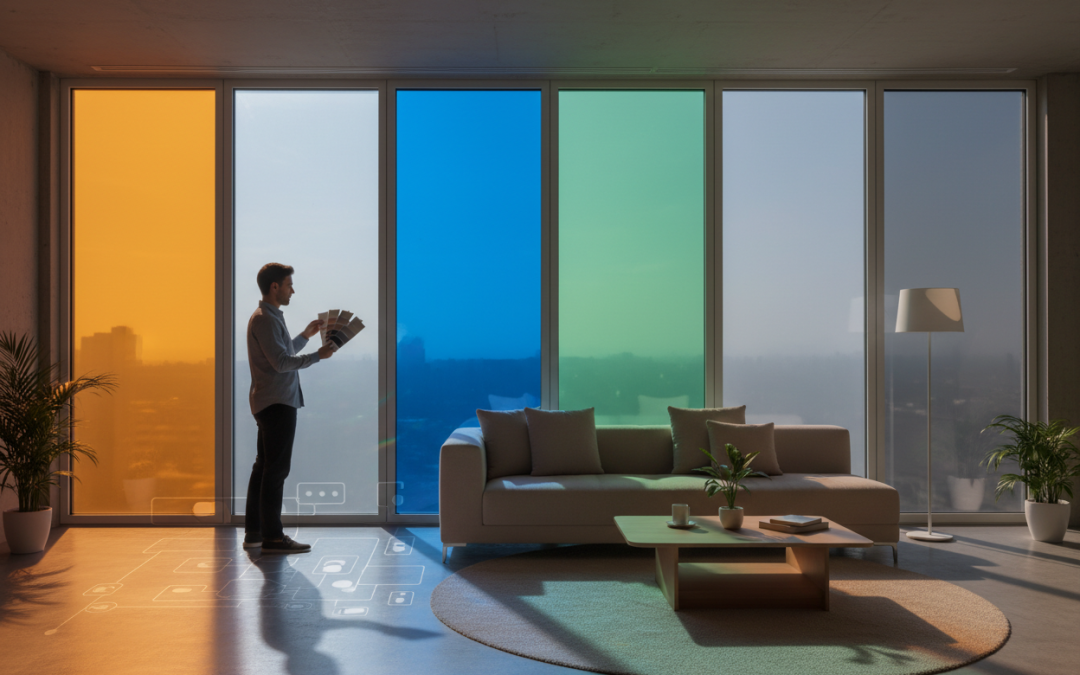
The Psychology Behind Choosing Window Replacement Colors: How Your Choice Affects Your Home and Mind
When it comes to window replacement, most homeowners focus on energy efficiency, durability, and cost. But there’s another crucial factor that often gets overlooked: color psychology. The colors you choose for your replacement windows don’t just affect your home’s curb appeal – they actually influence your mood, energy levels, and overall well-being every single day.
Understanding the psychological impact of window colors can transform your home renovation from a simple upgrade into a strategic investment in your family’s happiness and comfort. Whether you’re replacing a few windows or undertaking a complete home makeover, the colors you select will create lasting impressions that extend far beyond aesthetics.
Understanding Color Psychology in Home Design
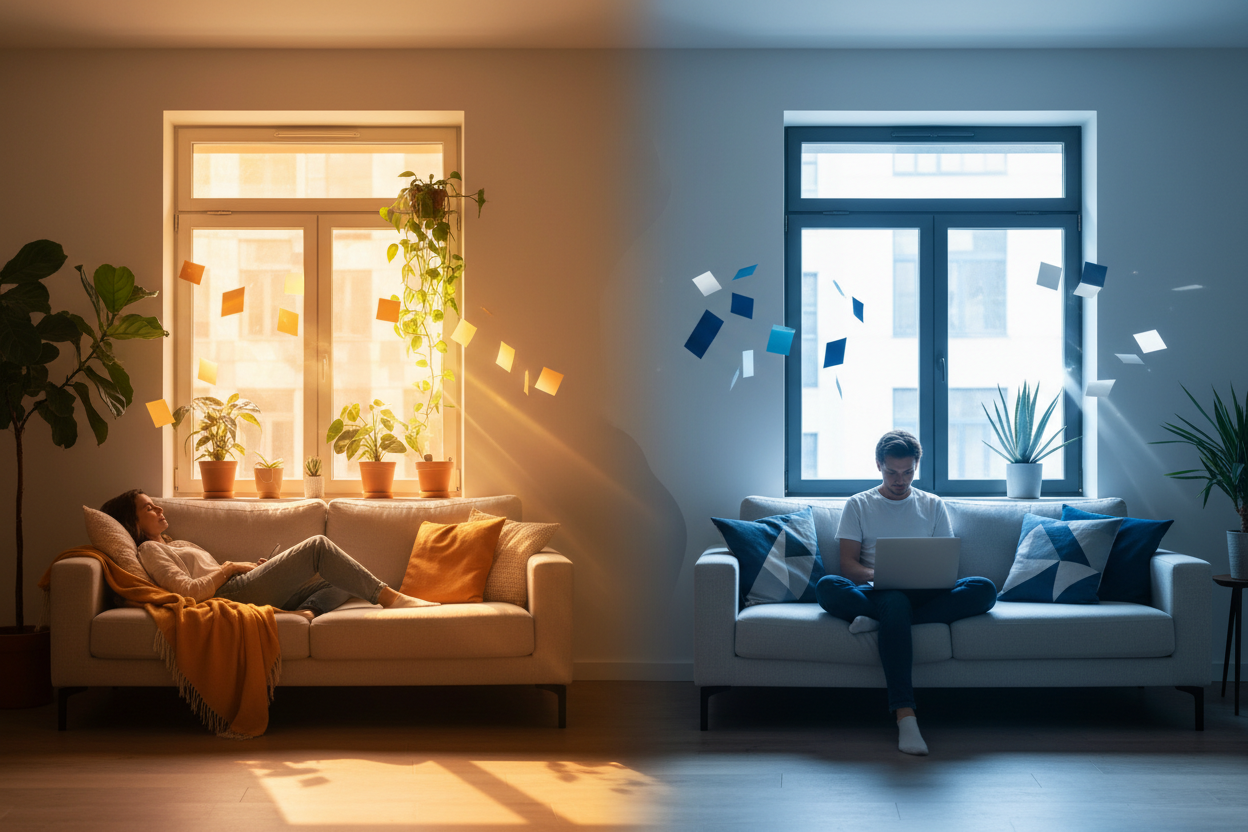
Color psychology isn’t just marketing fluff – it’s backed by decades of scientific research. Colors trigger specific emotional and physiological responses in our brains, affecting everything from our stress levels to our productivity. When you walk into a room with blue walls, your brain actually releases calming chemicals. Red environments can increase your heart rate and make you feel more energetic.
For window replacements, this becomes particularly important because windows frame your view of the outside world while also contributing to your interior atmosphere. The color of your window frames acts as a constant visual anchor in every room, subtly influencing your daily experience at home.

Think about it this way: you probably spend several hours each day looking out your windows or simply being in rooms where they’re visible. That means your window colors are quietly working on your subconscious mind throughout your waking hours, either supporting your desired mood or potentially working against it.
Popular Window Replacement Colors and Their Psychological Effects
Classic White: Purity and Spaciousness
White remains the most popular choice for window replacements, and there’s solid psychological reasoning behind this preference. White creates an immediate sense of cleanliness, openness, and possibility. It makes rooms feel larger and brighter, which can be especially beneficial for smaller homes or spaces with limited natural light.
From a psychological standpoint, white promotes mental clarity and can help reduce feelings of claustrophobia. However, pure white can sometimes feel sterile or cold, which is why many homeowners opt for softer variations like cream or off-white that maintain the spacious feeling while adding warmth.
Bold Black: Sophistication and Drama
Black window frames have surged in popularity, particularly in modern and industrial design schemes. Psychologically, black conveys authority, sophistication, and timeless elegance. It can make a powerful statement and create striking contrast against lighter exterior colors.
However, black can also feel heavy or oppressive if overused. The key is balance – black windows work best when they’re part of a well-planned color scheme that includes plenty of lighter elements to prevent the space from feeling too dark or closed-in.
Warm Earth Tones: Comfort and Stability
Browns, tans, and bronze tones tap into our deep psychological connection with nature. These colors promote feelings of stability, comfort, and groundedness. They’re particularly effective for homeowners who want their space to feel like a cozy retreat from the outside world.
Earth tones work especially well in traditional or rustic home styles, where they enhance the connection between indoor and outdoor spaces. They can make a home feel more established and permanent, which appeals to our fundamental need for security.
Cool Grays: Balance and Modernity
Gray has become increasingly popular in recent years, and it offers unique psychological benefits. Gray is psychologically neutral, which means it won’t compete with other design elements in your home. It provides a calming backdrop that allows other colors and textures to shine.
Different shades of gray can evoke different responses – lighter grays feel fresh and contemporary, while darker grays can feel more substantial and grounding. Gray windows are particularly effective for homeowners who want a modern look without the starkness of pure black or white.
How Window Colors Affect Different Rooms
Living Areas: Creating the Right Social Atmosphere
In living rooms and family spaces, your window color choice should support the activities that happen there. If you frequently entertain, warmer colors like cream or soft bronze can create a welcoming atmosphere that encourages conversation and relaxation. For families who use their living room as a multi-purpose space, neutral colors like gray or white provide flexibility.
The psychological impact is subtle but real – guests will unconsciously respond to the color cues in your space, feeling either more comfortable and inclined to stay, or potentially restless and eager to leave.
Bedrooms: Promoting Rest and Tranquility
Bedroom windows require special consideration because this is where you start and end each day. Colors that promote relaxation and sleep are crucial here. Soft, muted tones work best – think warm whites, gentle grays, or subtle earth tones.
Avoid overly stimulating colors in bedroom windows. While a bold red might look dramatic, it can actually interfere with your ability to wind down and achieve restful sleep. The goal is to create a visual environment that supports your circadian rhythms and promotes psychological calm.
Home Offices: Enhancing Focus and Productivity
If you work from home, your window colors can actually impact your productivity. Cool colors like gray or soft blue tend to enhance focus and concentration, while warmer colors might be too relaxing for optimal work performance.
However, this varies by individual – some people find that warmer colors help them feel more creative and inspired. Consider your work style and the type of tasks you typically perform when choosing window colors for your home office.
Cultural and Personal Factors in Color Selection
Color psychology isn’t universal – cultural background and personal experiences play significant roles in how we respond to different colors. What feels calming to one person might feel boring to another. What seems sophisticated to some might appear stark to others.
This is why it’s important to consider your own emotional responses to colors, not just general psychological principles. Spend time in spaces with different window colors if possible. Notice how you feel in rooms with white trim versus black trim. Pay attention to your gut reactions.
Regional preferences also matter. In some areas, certain window colors are so common that choosing something different might make your home stand out in ways you didn’t intend. In other regions, there’s more flexibility for personal expression through color choices.
The Impact of Natural Light on Color Psychology
The amount and quality of natural light in your home dramatically affects how window colors will look and feel. North-facing windows receive cooler, more consistent light throughout the day, which can make warm colors feel more balanced. South-facing windows get intense, warm light that might make cool colors feel more appealing.
Consider how your window colors will look at different times of day and in different seasons. A color that feels perfect in bright summer sunlight might feel completely different during the shorter, darker days of winter. This seasonal variation can actually affect your mood and energy levels in subtle but meaningful ways.
Making the Right Choice for Your Home and Lifestyle
Choosing window replacement colors isn’t just about following trends or matching your existing decor. It’s about creating an environment that supports your psychological well-being and enhances your daily life experience.
Start by thinking about how you want to feel in your home. Do you want energizing spaces that motivate you to be active and social? Or do you prefer calming environments that help you relax and recharge? Your window colors should align with these goals.
Consider your home’s architecture and your neighborhood context, but don’t let these factors override your personal preferences entirely. Remember, you’re the one who will be living with these colors every day.
It’s also worth thinking about longevity. While bold color choices can be exciting initially, they might lose their appeal over time. Classic colors tend to have more staying power, both aesthetically and psychologically.
Conclusion: Creating Harmony Through Thoughtful Color Selection
The psychology behind window replacement colors is more complex and impactful than most homeowners realize. Your color choices create a daily backdrop that influences your mood, energy, and overall satisfaction with your living space. By understanding these psychological effects and considering your personal preferences and lifestyle needs, you can make window color decisions that enhance both your home’s beauty and your quality of life.
Remember that there’s no universally “right” choice – the best window colors are the ones that make you feel comfortable, happy, and at peace in your own home. Take time to consider the psychological impact of your options, but trust your instincts about what feels right for you and your family.
Whether you choose classic white for its spacious feel, bold black for its dramatic impact, or something completely different, make sure your decision aligns with both your aesthetic vision and your psychological needs. After all, great design isn’t just about looking good – it’s about feeling good too.
Frequently Asked Questions
Q: Do window colors really affect mood, or is this just marketing hype?
A: Color psychology is supported by scientific research. Colors do trigger measurable psychological and physiological responses, though individual reactions can vary based on personal experiences and cultural background.
Q: What’s the most popular window replacement color right now?
A: White remains the most popular choice, followed by various shades of gray and black. However, popularity shouldn’t be your only consideration – choose colors that work best for your specific home and preferences.
Q: Can I use different window colors on different sides of my house?
A: While it’s possible, it’s generally better to maintain consistency for a cohesive look. If you do want variation, consider using different shades of the same color family rather than completely different colors.
Q: How do I know if a window color will look good with my home’s exterior?
A: Consider your home’s architectural style, existing colors, and surrounding landscape. Many manufacturers offer color samples or digital visualization tools to help you preview different options.
Q: Will choosing an unusual window color hurt my home’s resale value?
A: Extremely bold or unusual colors might limit appeal to some buyers, but quality windows in any reasonable color typically add value. Classic colors tend to have broader appeal if resale is a major concern.
Q: How does the direction my windows face affect color choice?
A: North-facing windows receive cooler light and might benefit from warmer colors, while south-facing windows get intense warm light that can make cool colors more appealing. Consider the light quality throughout the day when making your decision.















How much does it cost for vinyl replacement windows Ferris Texas
















How much does it cost for vinyl replacement windows Flower Mound Texas






Affordable replacement windows Flower Mound Texas






Home window replacement near me Cedar Hill Texas


Preston Hollow Dallas TX Siding Replacement Contractors




Lavon TX Replacement Siding Installation Services







North Richland Hills TX Replacement Vinyl Siding