Vinyl Siding Color Psychology: Choosing Shades That Sell
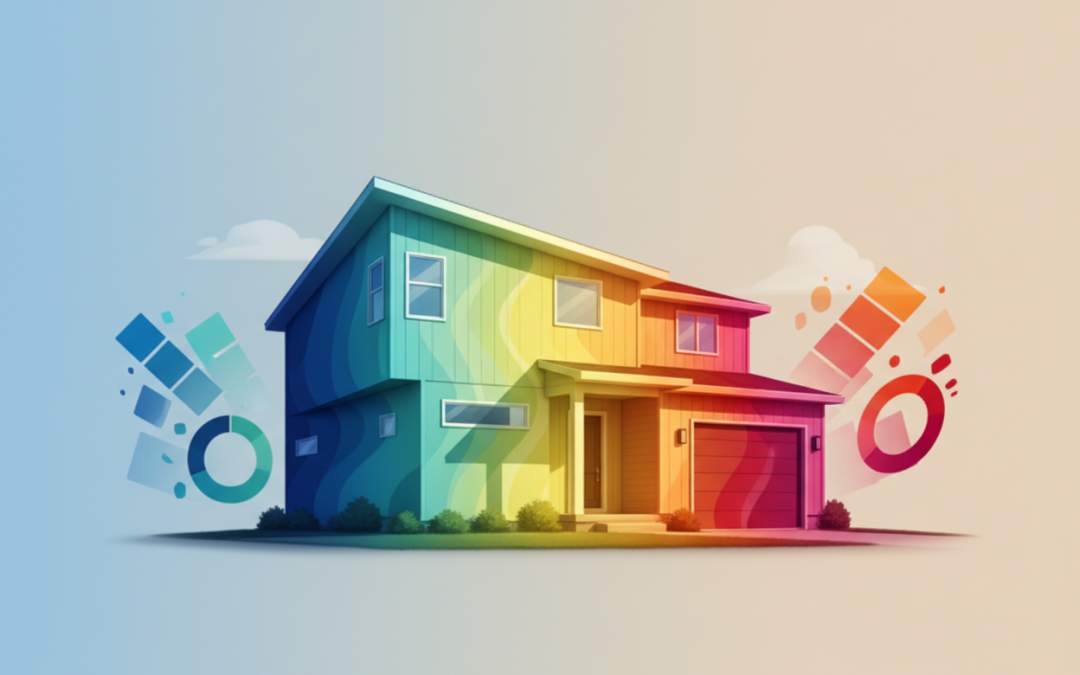
When it comes to boosting your home’s curb appeal and market value, few decisions carry as much weight as choosing the right exterior color. The psychology behind color selection isn’t just about personal preference—it’s about understanding how different hues influence potential buyers’ emotions and purchasing decisions. As someone who’s walked countless neighborhoods and seen how color choices can make or break a home’s appeal, I can tell you that the right vinyl siding color can be the difference between a quick sale and months on the market.
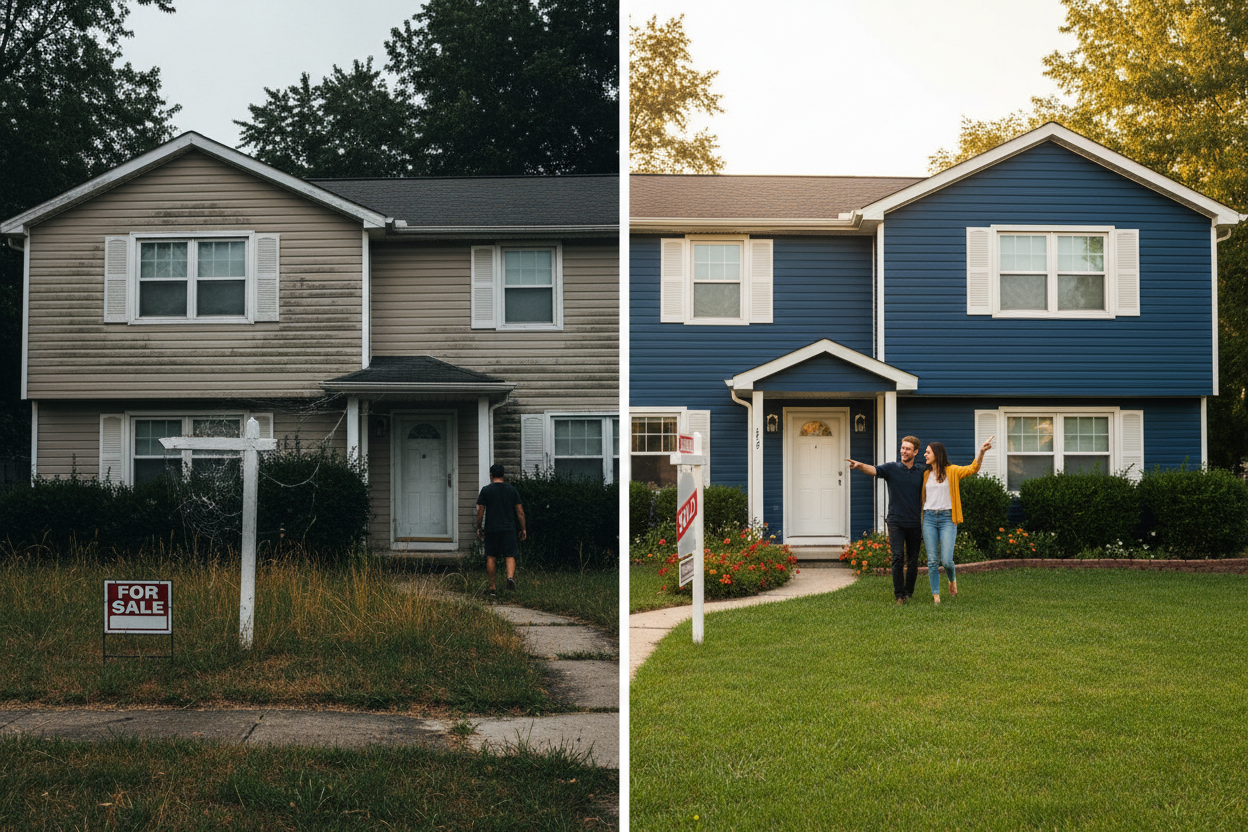
Your home’s exterior is the first impression buyers get, and research shows that people form judgments about a property within the first seven seconds of seeing it. That’s barely enough time to notice the landscaping, let alone appreciate your home’s architectural details. What they do notice immediately? Color. The shade of your vinyl siding sets the tone for everything else, creating an emotional response that either draws buyers in or sends them scrolling to the next listing.
The Science Behind Color Psychology in Real Estate
Color psychology isn’t just marketing fluff—it’s backed by decades of research into how different hues affect our mood, behavior, and decision-making processes. When applied to real estate, understanding these psychological triggers becomes a powerful tool for homeowners looking to maximize their property’s appeal.
Warm colors like reds, oranges, and yellows tend to create feelings of energy and excitement, but they can also feel overwhelming when used extensively on large surfaces like home exteriors. Cool colors such as blues, greens, and purples typically evoke feelings of calm and tranquility, making them popular choices for creating a welcoming atmosphere. Neutral colors—grays, beiges, and whites—offer versatility and broad appeal, allowing potential buyers to envision their own style within the space.
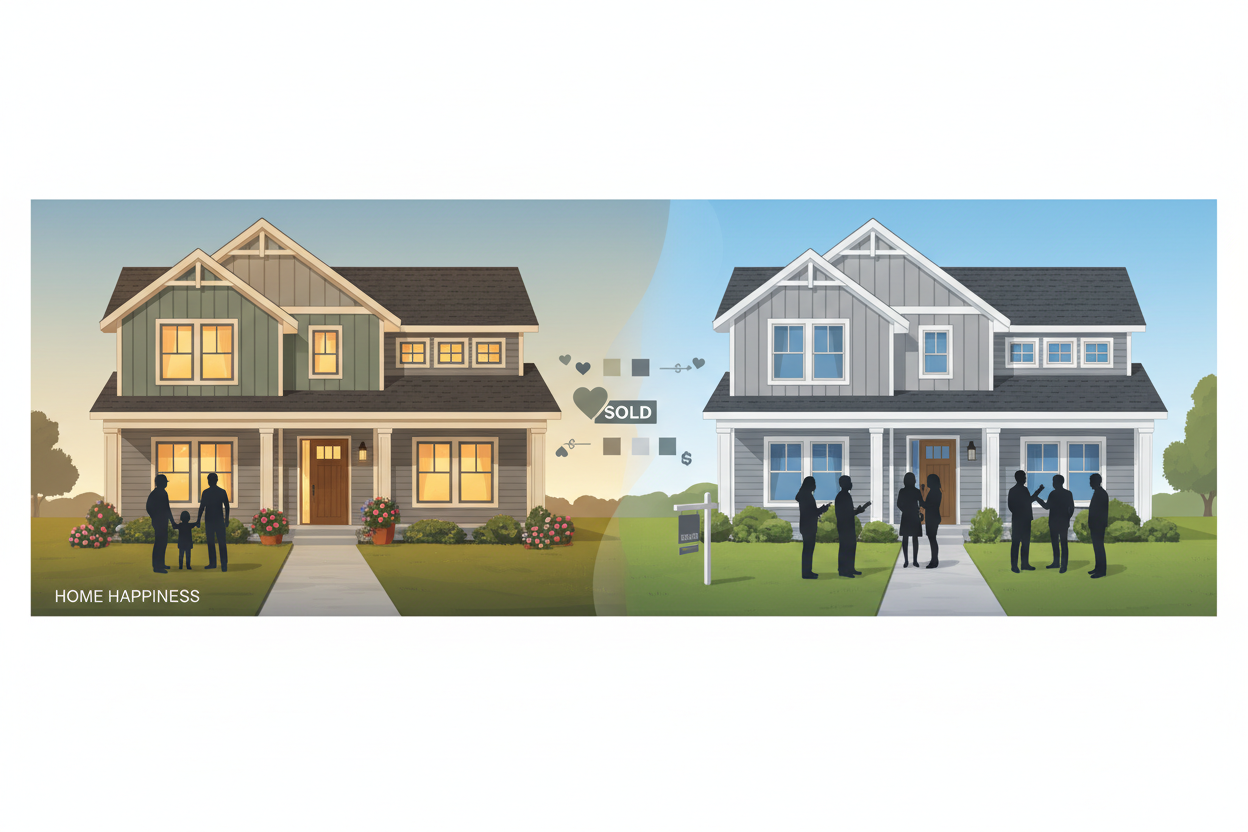
The key is finding the sweet spot where your color choice appeals to the widest possible audience while still maintaining character and visual interest. This balance is particularly crucial in today’s competitive real estate market, where buyers have countless options and limited time to make decisions.
Top Vinyl Siding Colors That Boost Home Value
After analyzing market trends and buyer preferences across different regions, certain vinyl siding colors consistently perform better than others when it comes to resale value and buyer appeal. Let me walk you through the colors that have proven track records for helping homes sell faster and for higher prices.
Classic White: The Timeless Winner
White vinyl siding remains the gold standard for good reason. It’s clean, fresh, and provides a blank canvas that allows other elements of your home—like landscaping, shutters, and architectural details—to shine. White homes photograph beautifully for online listings, appearing bright and well-maintained even in less-than-perfect lighting conditions.
From a practical standpoint, white siding reflects heat, which can help with energy efficiency—a selling point that resonates with environmentally conscious buyers. The psychological effect is equally important: white suggests cleanliness, simplicity, and new beginnings. For buyers who are already dealing with the stress of purchasing a home, white provides a sense of peace and possibility.
However, not all whites are created equal. Stark, bright white can feel cold and institutional, while warmer whites with subtle undertones create a more inviting appearance. Consider shades like antique white or cream, which offer the benefits of white while adding just enough warmth to feel welcoming.
Sophisticated Grays: Modern Appeal
Gray has become increasingly popular over the past decade, and for good reason. It’s sophisticated without being stuffy, modern without being trendy, and neutral without being boring. Gray vinyl siding works particularly well with contemporary and transitional architectural styles, appealing to younger buyers who appreciate clean, minimalist aesthetics.
The beauty of gray lies in its versatility. Light grays can make a home feel larger and more open, while darker grays add drama and elegance. Medium grays strike a perfect balance, offering enough character to stand out while remaining approachable to a wide range of buyers.
When choosing gray siding, pay attention to the undertones. Some grays lean blue, others lean green or purple, and some have warm beige undertones. The undertone you choose should complement your home’s architectural style and the surrounding landscape.
Warm Beiges and Tans: Universal Comfort
Beige and tan vinyl siding colors offer warmth and comfort that appeals to buyers looking for a home that feels immediately welcoming. These earth tones work particularly well in suburban settings and complement natural landscaping beautifully.
The psychological appeal of beige and tan lies in their association with stability and reliability—qualities that buyers want in a home. These colors suggest that the property has been well-cared for and will continue to look good over time. They’re also forgiving colors that hide minor imperfections and dirt better than lighter shades.
One advantage of choosing warm neutrals is their compatibility with a wide range of accent colors. Whether a buyer prefers bold shutters, colorful front doors, or natural stone accents, beige and tan siding provides a harmonious backdrop that won’t clash with their vision.
Colors to Approach with Caution
While personal expression is important, certain color choices can significantly limit your pool of potential buyers. Bold, saturated colors like bright yellow, orange, or purple might reflect your personality perfectly, but they can be polarizing when it comes time to sell.
Dark colors, while dramatic and sophisticated, present practical challenges that many buyers find concerning. Black, deep navy, or dark green siding can make a home feel smaller and may show dust, pollen, and water spots more readily than lighter alternatives. They also absorb more heat, potentially leading to higher cooling costs—a consideration that budget-conscious buyers take seriously.
That said, context matters enormously. A sleek black exterior might work beautifully in an urban setting with modern architecture, while the same color could feel out of place in a traditional suburban neighborhood. Consider your local market and the styles of surrounding homes when making your decision.
Regional Preferences and Climate Considerations
Color preferences vary significantly by region, influenced by local climate, architectural traditions, and cultural preferences. What sells well in the Pacific Northwest might not resonate with buyers in the Southwest, and understanding these regional nuances can give you a significant advantage.
In warmer climates, lighter colors are often preferred not just for aesthetic reasons but for practical ones. Light-colored siding reflects heat and can help keep cooling costs manageable—a major selling point in areas where air conditioning runs for months at a time. Coastal areas might favor blues and greens that complement the natural environment, while desert regions often embrace warm earth tones that harmonize with the landscape.
Northern regions with longer winters might gravitate toward colors that feel warm and inviting during gray, cold months. Warmer whites, soft grays with warm undertones, and gentle beiges can help a home feel cozy and welcoming even when the weather isn’t cooperating.
The Role of Trim and Accent Colors
Your vinyl siding color doesn’t exist in isolation—it works in harmony with trim, shutters, doors, and other exterior elements to create your home’s overall aesthetic. The most successful color schemes use contrast strategically to highlight architectural features and create visual interest.
White trim is the most versatile choice, working beautifully with virtually any siding color while making the home feel crisp and well-maintained. However, don’t overlook the impact of colored trim. A soft gray siding with white trim creates a classic look, while the same gray with black trim feels more contemporary and dramatic.
Your front door presents an opportunity to add personality without overwhelming potential buyers. A pop of color on the door—whether it’s a classic red, a sophisticated navy, or a cheerful yellow—can create a welcoming focal point while keeping the overall palette buyer-friendly.
Timing Your Color Choice with Market Trends
While it’s tempting to chase the latest color trends, remember that exterior renovations are significant investments that need to pay off over several years. The goal is to choose colors that feel current without being so trendy that they’ll look dated quickly.
Currently, we’re seeing strong demand for homes with clean, sophisticated color palettes that photograph well for online listings. This trend toward “Instagram-worthy” exteriors isn’t likely to disappear anytime soon, as social media continues to influence how people perceive and share their living spaces.
The good news is that the most marketable colors—whites, grays, and warm neutrals—have staying power. These aren’t trend-driven choices but rather timeless options that have broad, enduring appeal. By choosing within this palette, you’re making a safe investment that’s likely to serve you well whether you sell next year or in a decade.
Making the Final Decision: Practical Steps
Once you’ve narrowed down your color options based on psychology, regional preferences, and market trends, it’s time to make your final decision. Start by ordering large samples of your top choices and viewing them on your home’s exterior at different times of day. Colors can look dramatically different in morning light versus afternoon sun, and you want to ensure your choice looks appealing in all conditions.
Consider the permanent elements of your home that won’t change—things like roofing material, stone or brick accents, and the surrounding landscape. Your siding color should complement these fixed elements rather than compete with them.
Don’t forget to check with your homeowners association if you have one. Some communities have restrictions on exterior colors, and it’s better to confirm your choice is acceptable before making the investment.
Conclusion
Choosing the right vinyl siding color is both an art and a science, requiring you to balance personal preferences with market realities and psychological principles. The most successful choices are those that create broad appeal while still maintaining character and visual interest.
Remember that your home’s exterior color is an investment in your property’s future value. While it might be tempting to choose bold, personal colors, opting for sophisticated neutrals—whites, grays, and warm beiges—typically offers the best return on investment and the broadest buyer appeal.
The key is understanding that you’re not just choosing a color you love; you’re choosing a color that will help your home sell when the time comes. By considering color psychology, regional preferences, and current market trends, you can make a choice that serves you well both now and in the future. After all, the best exterior color is one that makes you happy to come home while also making potential buyers excited about the possibility of calling your house their home.
Frequently Asked Questions
What is the most popular vinyl siding color for resale value?
White remains the most popular choice for resale value, followed closely by light gray and warm beige. These colors have broad appeal and photograph well for online listings.
Do dark siding colors hurt home value?
Dark colors can limit buyer appeal and may present practical challenges like showing dirt more readily and absorbing more heat. However, in the right architectural context and regional market, dark colors can work well.
How do I choose between different shades of the same color?
Order large samples and view them on your home’s exterior at different times of day. Consider the undertones and how they work with your home’s permanent features like roofing and landscaping.
Should I match my neighbors’ siding colors?
You don’t need to match exactly, but your color choice should harmonize with the neighborhood aesthetic. Extremely contrasting colors can make your home stand out in ways that might hurt resale value.
How often should I update my siding color?
Quality vinyl siding can last 20-30 years, so color changes are typically driven by personal preference or preparation for sale rather than necessity. Choose colors with staying power to maximize your investment.
Do regional climate differences affect color choice?
Yes, climate plays a significant role. Warmer regions often favor lighter colors for heat reflection, while colder areas might prefer warmer tones. Local architectural traditions and buyer preferences also vary by region.















Affordable replacement windows Colleyville Texas



How much does it cost for vinyl replacement windows Sanger Texas








How much does it cost for vinyl replacement windows Seagoville Texas


Affordable home window replacement Arlington Texas














How much does it cost for vinyl replacement windows Parker Texas



Gainesville TX Cost Of Vinyl Siding Replacement